

He’d been talking about the project car like it was a sure thing. Not a “maybe someday” thing, not a “when I have time” thing—more like a life milestone he was already emotionally living in. A clean ’90s coupe with a half-built turbo setup, primer patches on the fenders, and an engine bay full of zip ties and optimism.
He didn’t have a garage, though. That’s how the whole mess started: he dropped the car at a local performance shop that did engine builds and tuning, told them to “take their time,” and left with the kind of confidence people have when they’re spending money they don’t currently have.
Months later, he was still treating the car like it was safely paused in a save file. The shop, meanwhile, was looking at it like it had become unpaid real estate sitting on their lot—one that wasn’t just taking up a parking spot, but also eating time, liability, and their patience.
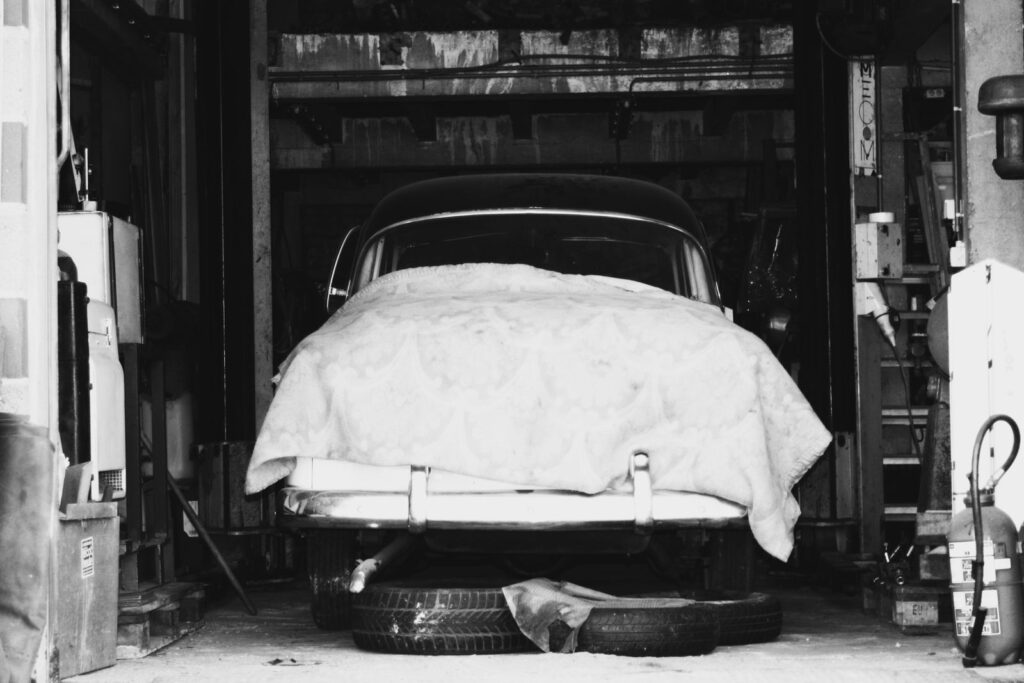
The Drop-Off: “Just Get It Running, I’ll Handle the Rest”
The guy—let’s call him Derek—showed up with the car on a tow truck and a trunk full of parts in unlabeled boxes. He’d already started the build himself, which meant the shop inherited a puzzle: mismatched bolts, missing brackets, and a wiring harness that looked like it had been “fixed” with pure vibes.
At first, the shop didn’t mind. They’d seen worse, and Derek came off friendly, excited, and talkative in the way car people get when they finally hand the keys over to “pros.” He signed a work order that included the boring stuff—hourly labor rates, estimates subject to change, and a line about storage fees for cars left past a certain window.
The shop did what shops do: they started digging into it. And the deeper they went, the more it turned into one of those builds where every solved problem reveals two more hiding behind it. Derek got a couple calls about surprises—broken studs, wrong injectors, a turbo flange that didn’t match—and each time he said some version of, “Do what you need to do, just keep it moving.”
The Slow Fade: Messages Left on Read and Promises That Didn’t Land
The first bill wasn’t catastrophic, but it wasn’t small either. The shop sent an invoice for the work completed so far and asked for a payment to continue. Derek responded with a classic: he was “waiting on a check,” he’d “hit a snag,” he could “send something next week.”
Next week became the week after, and then the shop started getting that particular kind of silence where someone still answers, but only to buy time. Derek would text late at night, ask for updates, and then go quiet when the conversation drifted toward money. The car sat on their property half disassembled, which meant it wasn’t even an easy “push it outside and forget it” situation.
The shop owner eventually told him, bluntly, that the car couldn’t live there for free. They had deadlines, other customers, and only so much space. Derek pushed back, saying storage fees were “ridiculous” and that they should be “working with him” since he’d already spent a lot.
The shop’s response was basically: you’re not spending a lot right now, you’re spending nothing. And every day the car sits, it costs them money whether Derek believes in that math or not.
The Storage Fee Fight: “I Never Agreed to That”
Derek’s whole strategy seemed to hinge on treating the storage fee as optional, like it was a made-up penalty they threatened people with but never actually charged. He argued that he didn’t “authorize” storage, as if storage was a service he had to opt into rather than the default reality of leaving property on someone else’s property.
The shop pulled out the paperwork. The line was there, same as it is on a lot of work orders: cars left after completion, or left after a certain number of days without payment, accrue a daily storage fee. Derek tried a different angle and said they were taking too long, so he shouldn’t be punished for their delay.
This is where things got petty in a very human way. The shop listed out the delays that came from Derek: the weeks of waiting for payment approval, the gaps where they couldn’t order parts, the times he didn’t answer calls. Derek countered with a long, emotional explanation about his finances, how the car meant a lot to him, and how the shop “knew what they were getting into.”
The shop didn’t bite. They gave him a deadline: pay the balance and the storage accrued, or come get the car and settle up for what was already done. Derek heard that as a threat and reacted the way people do when they feel cornered—by calling it “illegal” and insisting they couldn’t keep his car hostage.
The Moment It Turned: The Shop Mentions a Lien Like It’s Routine
After another round of back-and-forth, Derek showed up in person, expecting a loud argument would unlock the car for free. He came in hot, walking into the front office with that stiff posture people get when they’ve rehearsed their speech in the parking lot. He demanded the keys and said he’d “deal with the bill later.”
The shop owner didn’t raise his voice. He just asked if Derek had brought payment. Derek said no, and then launched into how storage fees were “not happening” and how he wasn’t going to be “bullied.”
That’s when the shop owner said something that apparently landed like a brick: they’d already filed the paperwork. Not “they were considering it,” not “their lawyer told them,” but that the lien process had started. The way it was described, it wasn’t even said triumphantly—more like, “This is what we do when people abandon cars.”
Derek’s face changed. Not anger exactly—more like the sudden realization that the shop wasn’t improvising, and that he wasn’t arguing with a person anymore so much as a system. He asked what paperwork, and the owner explained: under their state’s rules, if a vehicle is left unpaid with documented invoices and notices, a shop can file for a mechanic’s lien and eventually sell the vehicle to recoup costs.
Derek tried to laugh it off, but it didn’t land. He kept saying they “couldn’t do that” because it was “his car,” and the shop just kept circling back to the same point: it’s his car, sure, but it’s their property it’s sitting on, and it’s their unpaid labor tied up in it.
Scrambling for Control: “I’ll Pay the Labor, Not the Storage”
Suddenly Derek had money—at least some of it. He offered to pay the labor invoice, but not the storage, framing it like a compromise. The shop refused, because by this point storage wasn’t just about money; it was about Derek trying to rewrite the agreement midstream and punish them for enforcing it.
He switched tactics again and threatened to call the police, like cops were going to show up and declare the storage fee invalid on the spot. The shop owner told him he could call whoever he wanted, but the car wasn’t leaving until the account was settled or the lien process ran its course. Derek stormed outside, pacing near the lot, staring at his half-finished car like it was being held for ransom.
The awkward part was that the shop wasn’t gleeful about it. They didn’t want his car. It wasn’t some clean collector piece; it was a project with unknowns, missing parts, and a history of someone else’s mistakes. The only reason the lien mattered was because it gave them a path out of a situation where the customer had stopped acting like the rules applied to him.
Derek asked what would happen if it got sold. The owner explained it in a flat, procedural way: notices, waiting periods, an auction or sale process, and the shop taking what was owed. If the sale brought more than the debt, Derek could be entitled to the remainder depending on local law, but nobody was pretending this was going to be a profitable payday for him.
That’s when the emotions hit. Derek went from combative to pleading, talking about how he’d had the car since he was young, how he’d put everything into it, how this was supposed to be his “big build.” The shop owner didn’t really have a soft landing for that—just the same deadline, the same numbers, the same paperwork already in motion.
By the time Derek left, he didn’t have his car, and he didn’t have the upper hand anymore. He had a ticking clock, a growing bill, and the awful knowledge that the shop wasn’t bluffing. The most brutal part wasn’t even the possibility of losing the car; it was watching him realize that refusing to pay didn’t freeze the situation—it pushed it forward without him.
And now the whole thing hangs in that ugly, unresolved space where neither side feels like the villain in their own head. Derek’s still telling anyone who’ll listen that the shop’s trying to steal his car, while the shop’s staring at a dead project taking up a bay and wondering how many more “next week” messages they’re supposed to accept before they finally follow through and sell it out from under him.
More from Steel Horse Rides: