
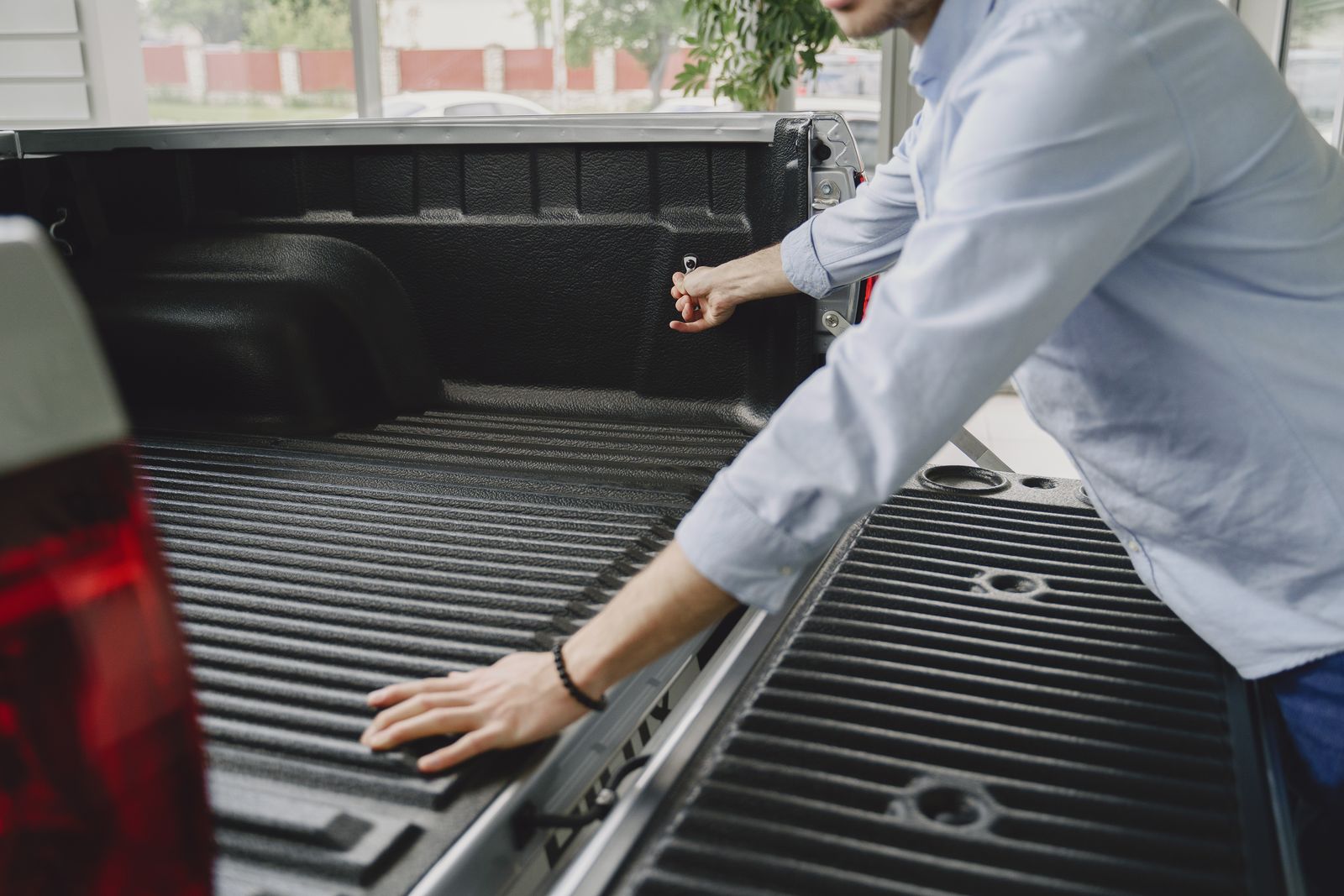

The whole thing started the way family disasters usually do: with a casual favor and a promise that it’d be quick. His brother had a truck—an older, well-kept pickup he babied because it was paid off and dependable—and he didn’t lend it out often. But this time, his younger brother asked like it was no big deal: one errand, fifteen minutes, he’ll put gas in it, he’ll bring it back cleaner than he found it.
The older brother hesitated anyway, because he always hesitated. The younger one had a history of “small” requests turning into vague timelines and missing details. Still, it was his brother, and it was just a truck, and the errand was supposedly a simple pickup from a buddy across town.
So he tossed him the keys with the usual instructions—don’t tow anything, don’t haul anything heavier than groceries, and don’t take it on the back roads. The younger brother laughed, did the whole “you worry too much” routine, and drove off like he was borrowing a lawnmower. The truck left the driveway in one piece, straight frame, tailgate on, no drama.
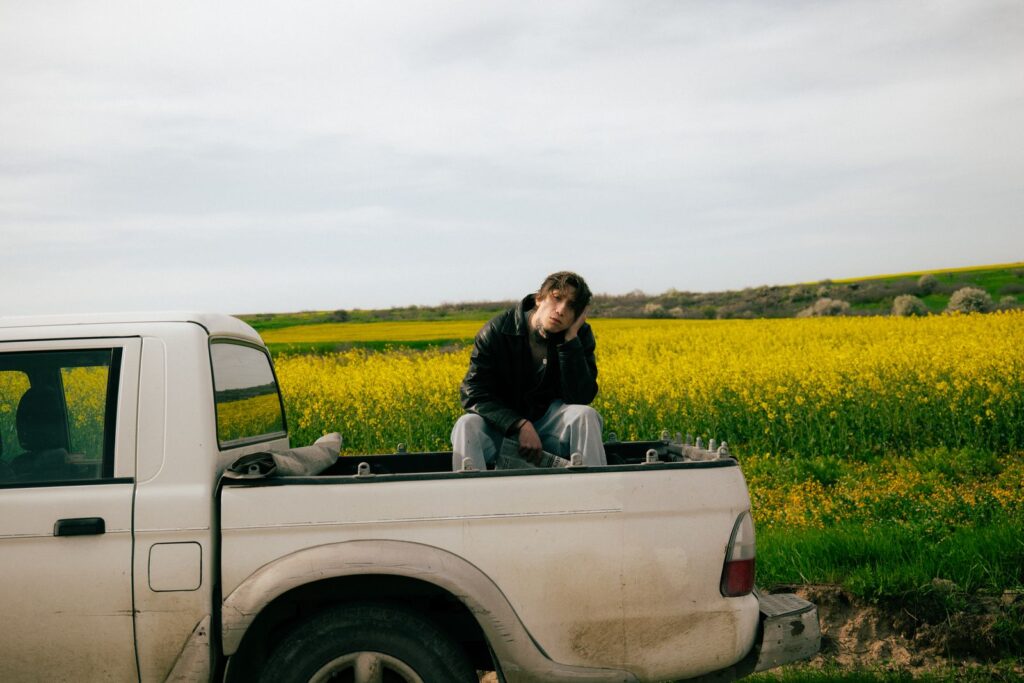
The “One Errand” That Wouldn’t End
Fifteen minutes came and went, then thirty, then an hour. The older brother texted once, then called, getting nothing but rings and voicemail. He tried not to spiral into that specific sibling paranoia—where you picture them casually ruining your stuff while treating your concern like a personality flaw.
By the second hour, he was doing that thing where he watches the front window like a dog waiting for its owner. Their mom called, half-joking, asking if the younger brother was “still on his quick trip.” The older brother didn’t have a clever answer, just a tight feeling in his chest and the sinking sense that he’d made a predictable mistake.
When the younger brother finally returned, it wasn’t the relief kind of late. It was the “something happened” kind of late, the kind where the person pulls up too carefully, like they’re trying to keep the vehicle’s secrets from becoming visible. He parked in a weird spot, not his usual sloppy angle, and he sat in the cab for a few seconds before getting out.
First Glance: Something’s Off
The older brother met him outside and immediately noticed the tail end looked wrong. Not “a little dented” wrong—more like the truck was unfinished, like someone had taken a bite out of it. The tailgate was gone completely, just open bed and exposed hardware, with the rear looking slightly… crooked.
“Where’s the tailgate?” the older brother asked, and he asked it the way you ask a question when you already know you’re not going to like the answer. The younger brother started talking fast, hands moving, eyes not meeting his. He said something about “some idiot” and “it’s not what it looks like,” which, as anyone with siblings knows, is how you announce guilt without using the word.
Then the older brother walked around to the side and saw the real issue: the truck’s posture was off. It had that subtle sag, the kind you don’t notice until you do, and then you can’t stop seeing it. The bed-to-cab alignment looked like it had shifted, and one rear wheel sat in its wheel well at an angle that made the older brother’s stomach drop.
He crouched and looked under it, because that’s what people do when they’re trying to convince themselves it’s cosmetic. The frame rail didn’t sit right, like a bent ruler. It wasn’t just scratched or dented; it looked like the truck had taken a hit hard enough to change its shape.
The Explanation Comes Out in Pieces
The younger brother tried to steer the conversation away from the truck like it was a bad topic at dinner. He kept saying, “I’m gonna handle it,” without saying how, and he kept insisting the older brother should “relax” because “it still drives.” The older brother’s voice got that controlled edge—quiet, careful—because if he got loud, he’d start saying things he couldn’t take back.
Finally, the younger brother admitted the errand wasn’t across town. It was out past the outskirts, where roads turned into gravel and then into that patchwork of ruts locals treat like a shortcut. He’d gone with a friend—already a detail he hadn’t mentioned—because the friend “needed help moving something real quick.”
It turns out “something” was not a box, or a couch, or anything that fit in the “one errand” category. It was a heavy piece of equipment, the kind people usually haul with a trailer and a plan. The friend apparently had neither, and the younger brother, in the way younger brothers sometimes do, decided improvisation counted as competence.
He tried to load it into the bed, realized it didn’t fit right, and then did the thing that makes every truck owner’s eye twitch: he removed the tailgate to “make room.” Not carefully, not like a person who understands parts have value, but like someone disassembling a toy. Where the tailgate went after that depended on which version of the story he was in the mood to tell—“it slipped,” “it got bumped,” “we set it down for a second.”
The Sheriff’s Card Shows Up
The older brother was still processing the tailgate situation when the younger brother reached into his pocket and produced a small, stiff white card. He handed it over like he was passing a receipt. It had a sheriff’s office logo on it and a deputy’s name, with a phone number written in pen on the back.
That was the moment the air changed. A missing tailgate is one kind of problem; law enforcement contact is another. The older brother stared at the card and asked the only reasonable question: “Why do you have this?”
The younger brother said the deputy had shown up “just to check things out.” The friend’s property had been near a posted area—private land, no trespassing signs, the kind everyone claims they didn’t see until it matters. They’d been out there with the truck, the heavy equipment, and a lot of noise, and somebody had called it in.
And then came the part he couldn’t keep vague. On the way out, trying to leave quickly and avoid further trouble, he’d taken a washout too fast. The truck bottomed out hard enough to make both of them wince, then bounced, then hit again, and that was when the frame took the kind of stress frames aren’t meant to take. The deputy didn’t cite him on the spot, but he made it clear someone would be following up—especially if there was property damage and the landowner wanted to press it.
The Fight Isn’t Really About the Truck
The older brother didn’t explode right away, which somehow made it worse. He asked for specifics like he was collecting evidence in his head: where exactly it happened, who the friend was, whether the truck had insurance coverage for this kind of mess. The younger brother kept dodging, because “insurance will just handle it” is easy to say when you’ve never filed a claim and watched your premiums jump into orbit.
They went back and forth in the driveway, voices rising in a way that made neighbors suddenly interested in their mailboxes. The younger brother’s defense was basically that it was an accident and accidents happen. The older brother’s point was that it wasn’t a random accident; it was a chain of choices—extra trip, extra friend, extra equipment, extra off-road nonsense—that he never agreed to.
Then there was the tailgate again, which became symbolic in a way only siblings can understand. The older brother kept circling back to it, because it was the most visible piece of missing trust. “You didn’t just dent it,” he said, “you took part of it off and lost it.”
The younger brother promised—again—that he’d “get another one” and “make it right.” But he couldn’t say when, and he couldn’t say with what money, and he couldn’t explain why the deputy’s card was in his pocket like an afterthought. He also couldn’t seem to understand why the older brother wasn’t comforted by the phrase “it still runs.”
The Fallout Sits There, Unfixed
By nightfall, the truck was parked where it didn’t belong, looking wrong in the older brother’s driveway like an injured animal. The older brother had made a few calls—to a mechanic friend, to his insurance, to a towing company—just trying to figure out what a bent frame actually meant in dollars and decisions. He learned quickly that “bent frame” is one of those phrases that can turn a working truck into a financial argument.
The younger brother, meanwhile, shifted into avoidance mode, the way people do when the consequences start having real shape. He offered to help, then wandered inside, then reappeared with a story about how the friend would “totally pay for it.” But he didn’t have the friend’s money in hand, and he didn’t have the tailgate, and he didn’t have an explanation that didn’t change slightly every time he told it.
The sheriff’s card sat on the kitchen counter like a ticking object nobody wanted to touch. The older brother didn’t call immediately because he didn’t know what he was walking into—property damage claims, trespassing accusations, maybe an official report that would complicate everything. The younger brother said calling would “make it a bigger deal,” which sounded an awful lot like “please don’t let adults find out.”
And that’s where it stalled: a truck that might be totaled, a tailgate that vanished into someone else’s bad decision, and a single handwritten phone number that suggested the story had another chapter waiting. The older brother wasn’t just mad about the damage; he was staring at the familiar pattern where his brother turned a simple favor into a mess, then acted hurt that anyone expected him to clean it up. The hardest part wasn’t figuring out how to fix the truck—it was realizing the next conversation might be with a deputy instead of a mechanic, and that no amount of “I’ll handle it” was going to unbend a frame or undo the choices that got them there.
More from Steel Horse Rides: