
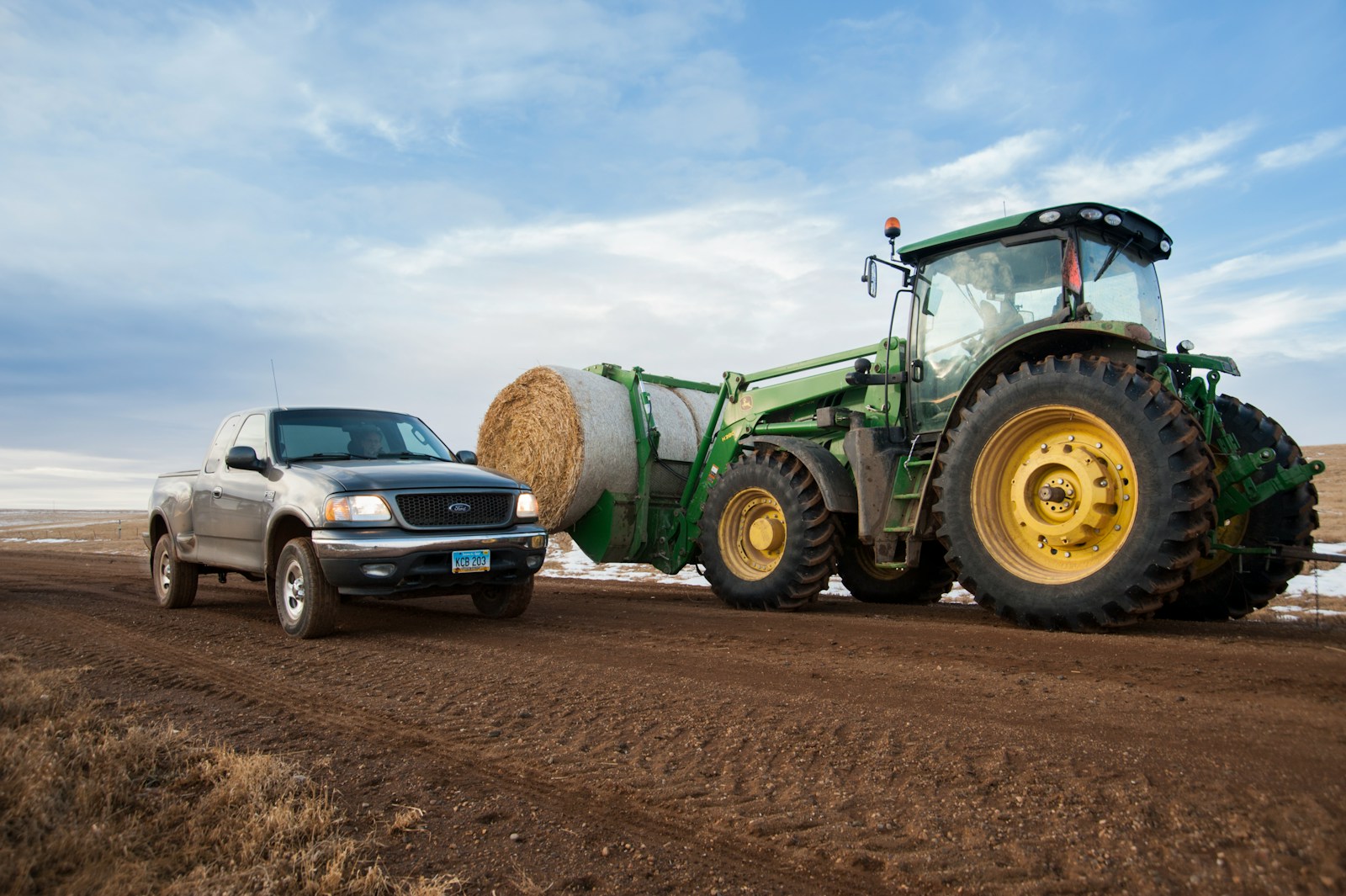

He wasn’t shopping for a ranch truck. He was shopping for a “nice used pickup” that could haul weekend stuff, handle winter roads, and look presentable parked outside his apartment. The dealership had one that hit the sweet spot: the right trim, decent miles, and a sales pitch that kept landing on the same reassuring phrase—“light farm use.”
“Light” sounded like gravel roads and maybe some fence posts. The salesperson even said it like a little badge of honesty, like they were doing him a favor by not calling it “one-owner” and moving on. The buyer did the walkaround, checked for rust, glanced under the hood, and took the test drive while the salesperson talked up how well these engines hold value.
The deal moved fast in that way dealership deals do, where the paper stack appears before your brain catches up. A monthly payment got picked, a warranty got pitched, the finance guy printed the loan, and suddenly he was shaking hands over a truck he’d been picturing for weeks. It wasn’t until he drove it home and the new-to-him smell started wearing off that “light farm use” began to feel like a prank with a long setup.
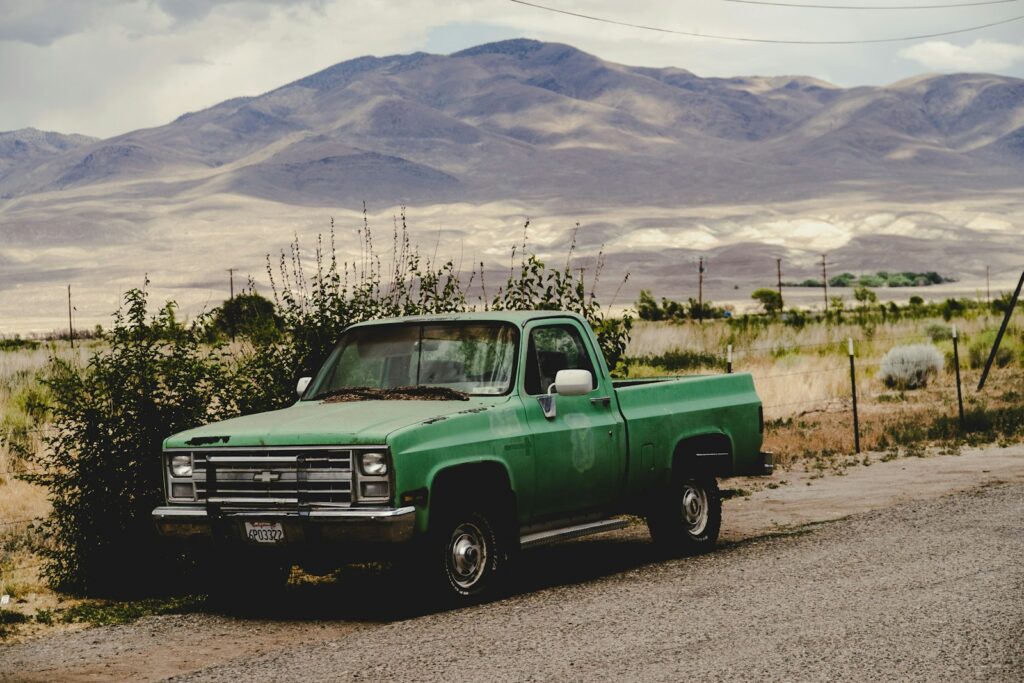
The first hint was the smell that wouldn’t stay gone
It started subtle: a warm, sour note when he turned on the heat. He told himself it was just old-cab funk, maybe somebody spilled coffee and the detailer didn’t get it all. He hit the vents with the AC and got a different version of the same thing—stale and barny, like a jacket that’s been in a tack room for a year.
He did what most people do when something feels off but you don’t want it to be a problem yet. He bought an air freshener, then two. He wiped down the interior, vacuumed, even stuck one of those vent clip things on like that was going to beat whatever was living in the ductwork.
And then one afternoon, sitting in a drive-thru with the fan on high, he noticed it: a little tuft caught in the vent fins. Not dust. Not lint. Hair—coarse, pale, and wiry, like it belonged on an animal that doesn’t own a couch.
Cow hair in the vents and a detail job that suddenly looked suspicious
He went home and started poking around the cabin like a detective who didn’t like what he was about to find. The cabin air filter came out looking like it had been used as a welcome mat at a barn door. He tapped it against the trash can and more hair dropped out, along with a fine grit that puffed into the air like powdered feed.
He pulled the glovebox panel, shined his phone flashlight into the duct, and saw more of it wedged deeper in—hair packed into corners where a vacuum hose wouldn’t reach unless somebody tried. When he turned the fan on with the filter removed, the airflow carried this warm, unmistakable animal smell straight into his face, like the truck was exhaling.
That’s when his mood shifted from “annoyed” to “you’ve got to be kidding me.” He hadn’t bought a truck from a cattle auction. He’d bought it from a dealership with glossy posters and free coffee, where “light farm use” was supposed to translate into “a little dirty, but fundamentally normal.” Cow hair in the AC didn’t feel light. It felt like the truck had a second life he’d been lied to about.
Under the bedliner was where it got personal
He decided to check the bed next, partly because it was the only place a farm truck might tell on itself. The dealership had installed a bedliner, which he’d initially taken as a nice bonus. Now it looked more like a cover-up—literally—so he started peeling it back at the edges to see what was under there.
The first thing he found was a dark crust in the seams, packed around the bolt heads and corners where water would sit. It wasn’t just mud. It had texture, like dried clay mixed with straw. He scraped a little up with a plastic trim tool and immediately wished he hadn’t, because the smell that came off it wasn’t “dirt” anymore.
Manure has a specific punch to it, even when it’s old and baked on. He kept scraping, and the deeper he got, the more it looked like the bed had been hosed out in a hurry and then covered with a liner before anyone asked questions. The bed floor had gouges and scuffs that looked like something heavy had been dragged, and in the grooves were little trapped bits that sure didn’t look like gravel.
Now he wasn’t just dealing with “gross.” He was staring at the possibility that this truck had hauled livestock regularly, maybe in conditions that left biological mess behind, and someone decided the best fix was to hide it under plastic and call it “light use.” The loan paperwork was sitting on his kitchen counter like a dare.
The dealership conversation went from friendly to slippery
He called the salesperson first, trying to keep it calm. He didn’t lead with “manure,” because he wanted to see how they handled it when he said, plainly, that the truck had animal hair in the HVAC and something foul under the bedliner. The salesperson’s tone did that quick shift into practiced sympathy, the kind that sounds nice but doesn’t commit to anything.
They told him used trucks come from all kinds of backgrounds. They reminded him “farm use” had been disclosed. They offered to schedule a detail, like this was a soda spill and not a whole agricultural ecosystem wedged into the ventilation system. When he pushed back—asked why this hadn’t been cleaned before sale, asked why a bedliner would be installed over whatever that was—the answers got vaguer.
He went in person the next day, because on the phone it was too easy for everyone to keep their voices smooth. He brought photos. He brought the cabin filter in a plastic bag like evidence. The service desk looked at it the way people look at a dead mouse: not wanting to touch it, not wanting to admit it’s real.
A manager came out and did the whole “let’s take a look” walk to the truck, hands on hips, nodding in short bursts. He said they could do an ozone treatment and replace the filter. He said the bed could be pressure-washed. He said “light farm use” doesn’t mean “never transported animals,” which was a sentence that managed to admit everything without admitting anything.
Regret in the loan and the part nobody warns you about
The buyer’s frustration wasn’t just about the smell. It was about timing and leverage. He’d signed the loan already, which meant the truck wasn’t a theoretical disappointment anymore—it was a financed object chained to his credit and his budget.
He asked about returning it, because in his head a dealership should have some kind of “you sold me a barn” policy. They pointed him back to the contract, to the line about “as-is,” and started talking trade-ins instead, which felt like being offered a bucket after you realize the ceiling’s leaking. Trading it in would mean eating the difference, rolling negative equity into a new loan, and paying interest on a decision he’d made while trusting the phrase “light farm use.”
He tried to get practical. Could they replace ductwork? Could they remove the bedliner and actually clean it right? Could they document what was done so the truck wouldn’t always carry the ghost of whatever it hauled? The service side talked cost. The sales side talked limitations. Everyone talked like they were helping, but nobody talked like they owed him anything.
And that’s where it got messy in the way that sticks under your skin: he wasn’t asking for perfection, he was asking for honesty. If they’d said, “This truck came off a working cattle operation,” he could’ve decided with clear eyes. Instead, he got a euphemism and a truck that smelled fine for the length of a test drive, then turned into a slow, expensive reveal once it was legally his.
He drove it home again, windows down, the interior still looking clean in that deceptive way nice detail jobs do. The payment date was already set, the insurance was already switched, and the truck sat in his lot like a purchase he couldn’t mentally settle into. “Light farm use” kept repeating in his head, not as a description anymore, but as the exact moment he realized how a few harmless-sounding words can turn into years of ownership you didn’t actually choose.
More from Steel Horse Rides: