
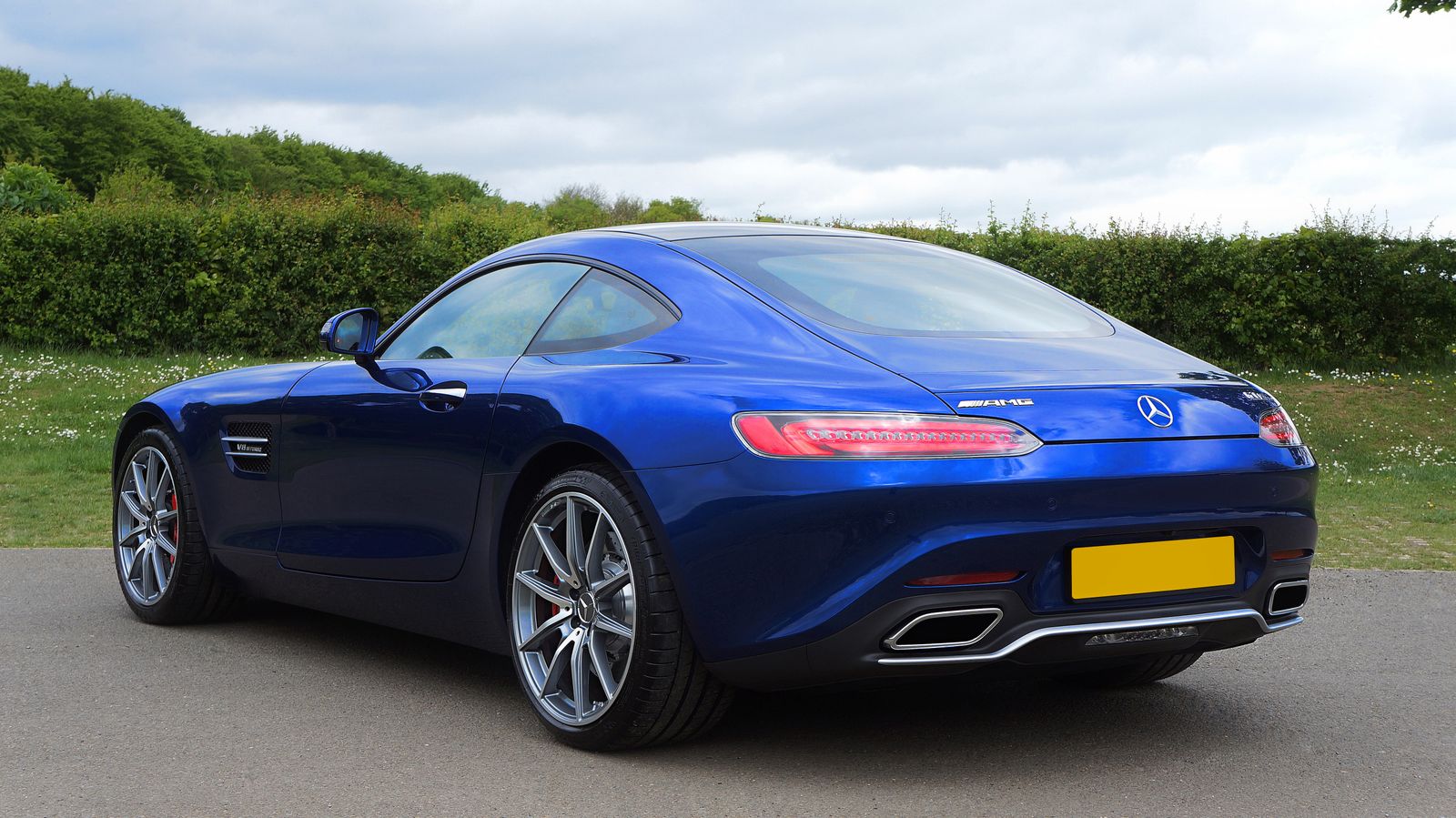

The car showed up on a Tuesday morning looking like it had just lost a fistfight with a parking lot. A late-model coupe, clean enough on the outside to pass as “daily driver,” but the smell inside was a mix of cheap cologne, stale energy drink, and that hot, plasticky scent you get after somebody’s been riding the clutch like it’s a footrest. The tow driver dropped it, the customer followed, and the first thing he said—before anyone asked—was that the car “just started acting weird.”
He wasn’t angry yet, just preemptively defensive. He stood too close to the service counter, keys in his hand like a prop, and kept repeating that nobody but him drove it. Specifically, he said his teenage son didn’t touch it. Not “doesn’t drive it much,” not “only around the block,” but a full-on, emphatic, “My kid never drives this car.”
The mechanic who ended up with the ticket had heard that exact tone before: the one that’s not about the car, it’s about the story. The guy wanted the diagnosis to match a narrative he’d already built—something random, something mechanical, something that didn’t involve a teenager discovering what happens when you treat a transmission like a stress ball. The mechanic nodded, wrote down the symptoms, and drove it into the bay.

The “Weird Noise” That Sounded Expensive
The complaint on the work order was vague on purpose: shuddering on acceleration, weird noise, “sometimes won’t go into gear.” In the shop, those words translate to a thousand possibilities, but the first test drive narrowed it fast. The car bucked when the throttle came on, and the engine revved like it was trying to climb out of its own hood while the car hesitated to move. It wasn’t subtle; it was the kind of behavior that makes you instinctively ease off because you can feel dollars evaporating.
Back in the bay, the mechanic popped the hood and started with basics—fluid levels, leaks, mounts. The transmission fluid looked tired, darker than it should’ve been, and there was that faint burnt smell that makes your stomach sink. Underneath, there were scuffs and scrapes that didn’t match “I commute and park carefully,” more like “I took a curb at a weird angle and pretended it didn’t happen.”
When the mechanic asked the customer if anything unusual had happened recently—hard acceleration, getting stuck, towing something—the man did that little laugh people do when they’re insulted by the question. He repeated his line: just normal driving, just him, his son never touches the car. The mechanic didn’t argue, because there’s no point. You just keep looking for facts that don’t care about anyone’s pride.
What People Leave Behind When They Lie
As the inspection turned into a deeper dig, the mechanic did what mechanics always do: pulled stuff out of the way. Floor mats up, center console opened, seats shifted. Not because he was snooping, but because cars are basically rolling junk drawers, and anything loose can rattle, jam a track, block a vent, or end up under a pedal. Half the time, the “mystery noise” is a coin trapped somewhere it shouldn’t be.
Under the passenger seat, he found a laminated school pass. Not a college ID or a work badge—one of those temporary-looking passes with a high school name printed across the top and a student photo that screamed “still gets asked if he wants the kids’ menu.” It wasn’t tucked away like something forgotten months ago either. It was right there, like it had been dropped recently and kicked just far enough to be out of sight.
Then came the vape pods. A couple of them, the kind that comes in bright packaging and smells aggressively sweet when you crack the wrapper. They weren’t hidden well, just shoved into the gap between the seat and the console, like someone did a quick sweep when they pulled into the driveway and realized Dad might look inside. The mechanic set them aside with the pass, not making a big deal of it, but mentally tagging the growing pile as “this isn’t a one-time borrow.”
The customer was in the waiting area, pacing like the floor was too small. Every so often he’d wander back toward the bay entrance, trying to catch eyes and get updates. The mechanic could feel that familiar pressure—the customer who wants reassurance more than information, who’s already rehearsing what he’ll say when the estimate comes back ugly.
The Burnout Videos Don’t Care About Your Denial
The final item wasn’t under a seat. It was in the infotainment system. The mechanic had turned the car on to check for warning lights and stored codes, and the screen popped up like it had been waiting to snitch: a list of recently connected devices and media. One phone, connected again and again, with a name that wasn’t “Dad’s iPhone” or anything close. It was a teenager’s name, or at least a teenager’s idea of a cool nickname.
Curiosity isn’t really the right word here. The mechanic wasn’t looking for drama; he was trying to understand why a transmission that should’ve had more life left was acting like it had been put through a blender. So he tapped into the recent video thumbnails, thinking maybe there’d be nothing, or maybe there’d be the usual—someone filming a dog, a friend doing something dumb on a skateboard.
Three videos. All three from inside the car. All three featuring the tach climbing, the engine screaming, and the view out the windshield fixed on a patch of asphalt while the rear end did that shimmery, vibrating dance that only happens when the tires are smoking and someone’s having the time of their life. The audio was full of giggling and yelling, the kind that comes from friends piled into a car acting like physics is optional.
The mechanic didn’t need to be a detective to connect the dots. Burnouts don’t just roast tires; they cook clutches, overheat transmission fluid, stress axles, and turn “sometimes won’t go into gear” into a predictable consequence. It was suddenly not a mystery at all. It was a car doing exactly what cars do after being treated like a toy.
The Conversation Nobody Wanted to Have
When the mechanic called the customer over, he didn’t start with the school pass or the vape pods. He started with the mechanical facts: the symptoms matched heat and abuse, the fluid smelled burnt, the codes suggested slip, and the next steps were either a deeper teardown or preparing for a transmission job that would hurt. The customer’s face tightened immediately, like he’d been bracing for a number but not for the implication behind it.
“That doesn’t make sense,” the guy said, and it wasn’t even about the car anymore. He started listing his own careful habits: he doesn’t race, he doesn’t drive hard, he barely gets on the highway. And then, like a reflex, he brought up his son again. His son wouldn’t do that, his son never drives it, his son’s not into cars like that.
That’s when the mechanic, as calmly as he could manage, told him what he’d found. The school pass. The vape pods. The connected phone name. And the three videos sitting right there in the car’s recent media—burnouts, tire smoke, engine at full song. He didn’t shove the evidence in the guy’s face like a courtroom reveal; he just laid it out the way you do when you’re trying not to turn someone’s personal crisis into your entertainment.
The customer went quiet in a way that felt heavier than yelling. He stared past the mechanic at the car like it had betrayed him. Then he did the thing people do when their brain is running out of exits: he tried to bargain with reality. Maybe the videos were old. Maybe it was someone else’s phone. Maybe the pass belonged to a friend. The mechanic didn’t argue that either. He just pointed out that the car had been connecting to that device repeatedly, and the videos were timestamped within the last couple of weeks.
Fallout in the Waiting Room
The customer stepped away and made a call. Not a quiet one. He walked to the far corner of the waiting area like distance could make the words less sharp, but the tone carried anyway: that tight, controlled anger of a parent trying not to blow up in public. There were pauses where you could tell someone on the other end was denying, and then longer pauses where they were being confronted with something hard to deny.
When he came back, his face looked different—less defensive, more embarrassed, like he’d just realized the mechanic wasn’t accusing him of being a bad driver so much as pointing at a problem he didn’t want to see at home. He asked what it would cost. The mechanic gave him the range, because honest numbers are part of the job, and because the truth was that the damage could be mild or catastrophic depending on what they found once they opened things up.
There was a moment where it seemed like the customer might ask the mechanic to delete the videos, or pretend he hadn’t seen anything. Some people do. Instead, he just nodded too many times and asked for everything in writing. He wanted documentation—not for the shop, but for his own house. The mechanic printed the estimate, listed the observed symptoms, and noted the evidence of abuse without making it sound like a moral judgment.
The car stayed. The customer left with his paperwork and a look that said the bigger bill wasn’t going to be the transmission. And that was the lingering tension hanging in the shop after the bay door rolled down: not whether the car was fixable, but what happens when a parent has been defending a story so hard they forgot to check if it was true—and now they’ve got a laminated school pass, a couple vape pods, and three burnout videos reminding them their kid has been living a whole separate life behind the wheel.
More from Steel Horse Rides: