

By the time she said the breakup words out loud, Kara already knew what the first fight afterward was going to be about. Not the dog, not the couch, not the streaming passwords. It was going to be about the car sitting in the lot outside their apartment, the one her ex, Denny, had been driving like it was his birthright.
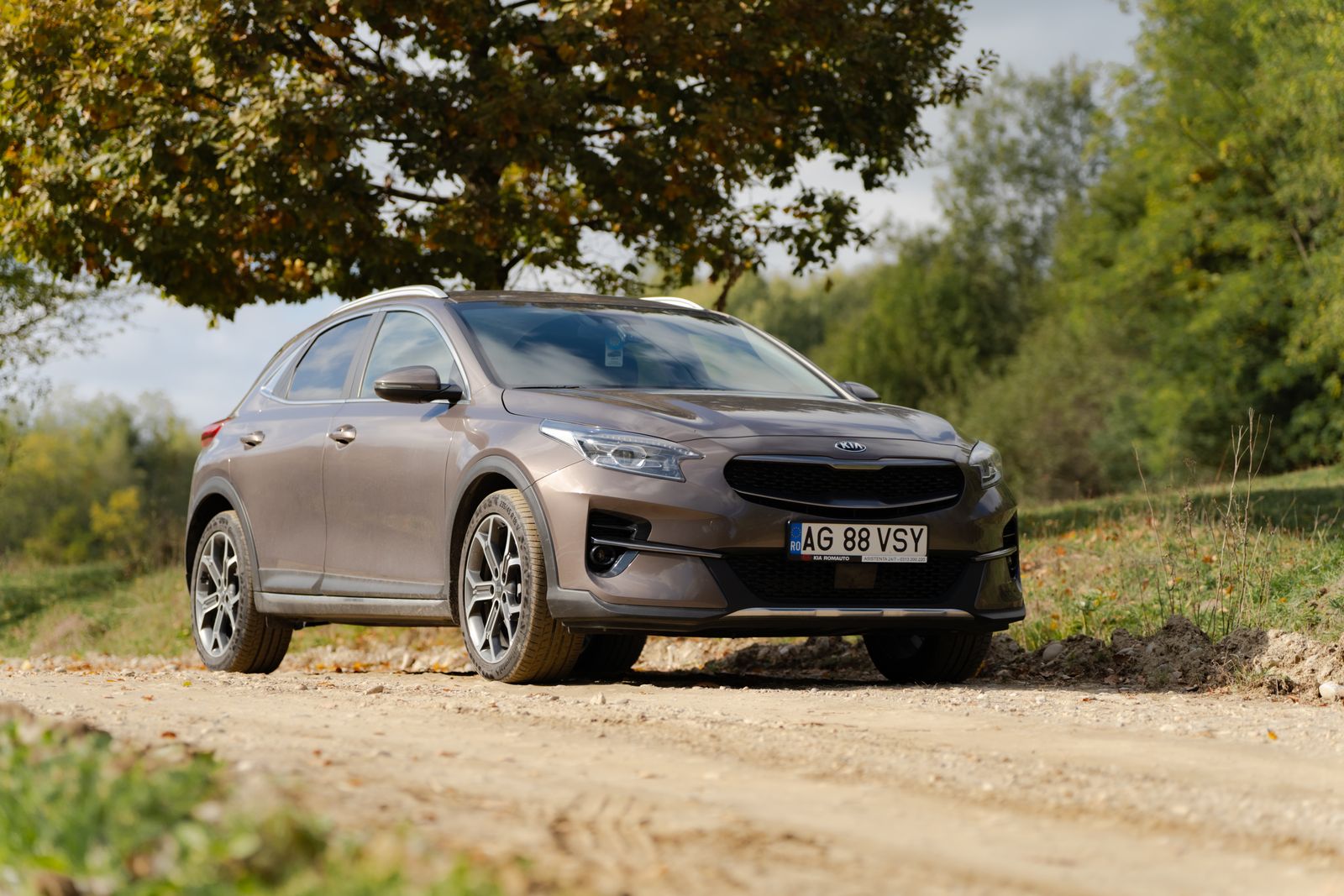
It was a perfectly ordinary compact SUV—nothing flashy, nothing that screamed “rich.” But it was dependable, and in their relationship it had quietly turned into leverage. Denny used it to get to work, used it to run errands, used it to look like the helpful boyfriend who “always drives,” while Kara kept paying for the insurance and quietly kept her name on every piece of paperwork that actually mattered.
So when Kara told him she was done, Denny didn’t cry or negotiate. He went straight to possession. He paced around the kitchen like a manager about to fire someone and finally said, “Cool. Then I’m keeping the car. You can figure your own rides out.”

The Breakup That Immediately Turned Into a Property Dispute
Denny’s version of the story, according to him, was simple: he’d “put money into it,” he’d “been the one driving it,” and it was “basically his.” He said it with that casual certainty people use when they’re trying to make something true by repeating it. Kara didn’t argue at first, which apparently made him bolder.
He started doing little dominance moves that didn’t even make sense unless you’d lived with someone like him. He kept the car parked nose-in against the curb so it would be harder to tow. He carried the key around the apartment, jingling it like he wanted her to notice.
When Kara asked, flatly, for the key back, Denny did that half-laugh that says, “I’m enjoying this.” He told her she could get it “when they worked out the details,” as if they were divorcing and had lawyers. Kara just nodded and went to her room, which he probably took as a win.
What Denny Didn’t Know She’d Kept in Her Own Name
Here’s the part that made the whole thing feel less like a breakup and more like a magic trick. Kara had been the one who bought the car before they moved in together. Even when Denny started treating it like the household vehicle, she never transferred anything. The title was in her name. The insurance policy was in her name. The registration, too.
And she’d learned—either from experience or from a deep suspicion of other people—that “I’ll just keep it in your glove box” is a fairytale. So the paper title wasn’t in the car. It was filed away with her important documents, the same place she kept her passport and her birth certificate.
The key situation was the funniest twist, because it wasn’t even a twist to her. There were two keys when she bought the SUV. Denny had been using one. Kara had the other, and she’d never admitted it because, in the relationship, he had this habit of “losing” things and then declaring it was everyone’s problem.
His Attempt to “Claim” the Car Like a Territorial Cat
The next morning, Kara woke up to the sound of the front door. Denny was leaving early, which was odd because he usually slept until the last possible second. She looked out the window and watched him climb into the SUV, sit there for a minute, and then reverse out of the lot like he was making a clean getaway.
He didn’t go to work. He went to his buddy’s place across town, the friend who always had opinions and always encouraged Denny’s worst impulses. After that, he texted Kara something smug: “I moved the car so you won’t do anything stupid.”
Kara didn’t respond, because there wasn’t anything to say that would make him suddenly reasonable. Instead, she called her insurance company. Not to “report” him dramatically, not to create a big scene, but to ask a very specific question: if someone who isn’t on the policy is refusing to return the insured vehicle, what are the options?
That phone call changed the temperature of everything. Suddenly the car wasn’t a vague relationship asset you could argue about in a kitchen. It was a titled vehicle, insured under one person, currently being withheld by someone with zero legal stake.
The Moment He Realized He Didn’t Have the Levers He Thought He Had
Denny’s confidence cracked when he tried to make it official. He called Kara that evening and said he wanted her to “sign something” saying the car was his, like he could just conjure a bill of sale from thin air. When she asked, “Why would I sign away my own car?” he got irritated and said, “Because I’ve been paying for it.”
She didn’t even have to debate him; she just asked for specifics. How much had he paid? When? Through what method? Denny’s answers were all fog—cash here and there, gas money, repairs he “totally covered.” Kara knew the real numbers because she had the insurance statements, the maintenance receipts, and the bank transactions.
Then came the line that made him stop talking. Kara told him, calmly, that she had the title, the insurance, and the spare key. Not “a” spare key. The only other working key.
There was a silence where you could almost hear him recalculating. His whole plan depended on the idea that possession is ownership. But suddenly the reality was: if he tried to keep it, he’d be the guy driving someone else’s insured vehicle without being covered, refusing to return it, with his ex holding the documents that prove it’s hers.
How the “Only Working Key” Turned Into the Final Checkmate
Denny tried one last angle: he claimed he was going to get the key copied. It sounded smart until you remembered modern car keys aren’t just metal. They’re chips, fobs, programming, sometimes dealership-only nonsense that costs real money and often requires proof of ownership.
He texted her a blurry photo of his key on a counter like it was a threat. “I’ll just make another,” he wrote. Kara let him talk. She knew that even if he managed to copy the physical cut, it wouldn’t necessarily start the car without programming.
Two days later, he called again, suddenly less smug and more frantic. The key “was acting weird.” The fob buttons didn’t work consistently. He’d been locking and unlocking manually like it was 1998. Kara didn’t ask questions, but it wasn’t hard to imagine him dropping it, getting it wet, or buying some sketchy replacement that half-worked.
That’s when Kara made her move. She arranged a time to meet him—not at their apartment, but in a public parking lot near a grocery store, daylight, people around. She brought her documents in a folder, not to hand over, but because she wanted the quiet power of being prepared.
Denny showed up late, driving the SUV like he was still trying to perform ownership. He got out and immediately started in with the emotional guilt stuff: how he’d “counted on it,” how she was “being petty,” how she was “trying to ruin his life.” Kara listened with the blank face of someone who’s already done the crying weeks ago.
Then she held up her key and asked for his. He hesitated, and she didn’t threaten him; she just told him that if he didn’t return the vehicle, she’d report it as withheld property, and his insurance situation would be his problem the moment he pulled onto the road again. That’s when his posture changed—shoulders dropping, mouth tightening—because he understood she wasn’t bluffing, and she didn’t need to yell to prove it.
He handed over his key like it physically hurt him. Kara didn’t snatch it; she took it the way you take back something that was always yours. Then she got into the SUV, started it with the key he’d thought was irrelevant, and locked the doors before he could lean in and keep talking.
She didn’t peel out or make a scene. She just drove away, steady and controlled, while Denny stood in the parking lot with that stunned look people get when a power play fails and there’s nowhere to redirect the embarrassment.
Later, the fallout wasn’t fireworks—it was messier than that. Denny blew up her phone with long messages that swerved between apology and accusation, and he told mutual friends she’d “stolen” the car, forcing Kara to decide who was worth correcting and who wasn’t. The car was back where it belonged, but the weirdest part lingered: she wasn’t mourning the relationship so much as she was replaying how quickly he’d tried to take something from her the second he thought she’d stopped being useful.
More from Steel Horse Rides: