

He thought it was a win-win: his boss was upgrading, and he’d finally get a decent truck without dealing with sketchy strangers or dealership nonsense. The boss had been talking about it for months, the way people do when they’ve already made up their mind and just want an audience for the purchase. So when the offer landed—“You want first dibs on my current one?”—the guy said yes before he even saw the paperwork.
This was a small company situation, the kind where everyone wears two hats and “we’re like a family” gets said right before someone asks you to stay late. He’d been there a few years, good reviews, no write-ups, the person who actually answered calls when everyone else went quiet. He’d also been waiting on a raise that kept getting pushed into the next quarter, then the next “budget meeting,” then the next vague promise that never turned into a number.
Buying the truck felt like a way to make peace with all that. He wasn’t getting the raise, but at least he was getting something tangible: a reliable vehicle, a clean title, and a deal that was supposedly “below market” because, as the boss put it, he wanted it to stay “in the company family.” The only problem was that the deeper he got into the details, the more the truck started to look like a receipt for his missing money.
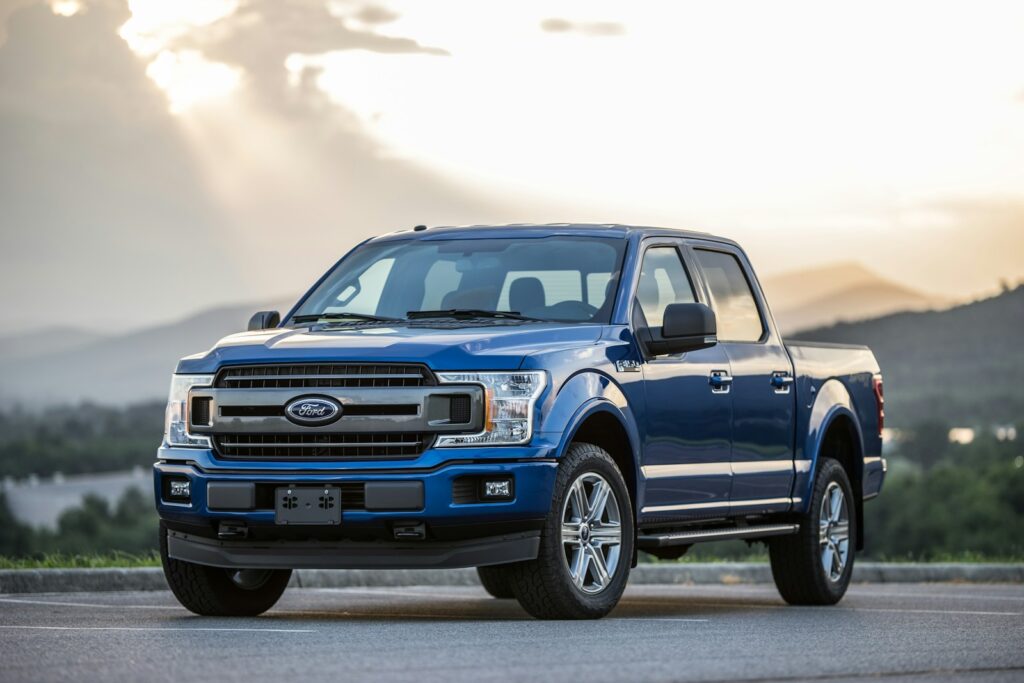
The Raise That Kept Slipping Away
The raise conversation had been going on long enough to develop its own seasons. Every few months, the guy would bring it up, carefully, like he was trying not to jostle something fragile. The boss would nod, sigh, and talk about overhead, about how things were “tight,” about how the company needed one more good quarter.
What made it extra frustrating was that the work kept piling on anyway. New responsibilities showed up without any official change in title, and “temporary” tasks never went away once he proved he could handle them. If anything, the boss seemed to lean on him more each time he asked about pay, like the request itself was proof he needed to “show initiative.”
Still, he stayed. He liked the coworkers, he needed the stability, and he’d convinced himself that loyalty would eventually circle back into a raise. When the boss started casually mentioning a new truck he was eyeing—something newer, bigger, with all the bells and whistles—the guy didn’t connect it to his own stalled pay at first.
The Friendly Deal That Didn’t Feel Friendly
The boss’s current truck wasn’t bad. It was a few years old, decent condition, and the kind of vehicle that could handle both job sites and weekend runs without looking like it was about to fall apart. The boss framed it like he was doing the guy a favor: no dealership fees, no financing hassles, just a simple sale between two people who trusted each other.
They talked price in the boss’s office, with the door half-open and the vibe of a casual favor rather than a transaction that would cost several thousand dollars. The boss tossed out a number that sounded plausible, then immediately started justifying it with add-ons—new tires last year, upgraded trim package, “you know how well I take care of my stuff.” The guy didn’t want to insult him by haggling too hard, especially because the entire thing was wrapped in the language of generosity.
He agreed, but he did what most people do right after agreeing to something expensive: he went home and started researching. He looked up the truck’s year, mileage, and trim level, checked local listings, and tried to see if he was getting an actual deal or just the convenience of not having to shop around. It wasn’t outrageously overpriced, but it wasn’t the sweetheart bargain the boss implied either.
The Numbers That Started to Line Up
The first weird moment came when he asked for the VIN so he could get an insurance quote. The boss hesitated in a way that didn’t match the “we’re all good here” tone, then forwarded it like it was an inconvenience. It wasn’t a huge red flag, just enough to make the guy pay closer attention.
Then came the paperwork details: the truck still had a small lien, and the boss wanted him to handle the payoff as part of the purchase so it would be “simpler.” The guy found himself doing mental math that didn’t feel simple at all. The price plus the payoff plus the tax and registration suddenly looked a lot like a monthly raise, stretched across a year.
He started thinking about the raise again, not in the abstract “someday” way, but in actual dollars. He remembered how, the last time he brought it up, the boss said the company couldn’t afford another increase right now. He also remembered how, two days later, the boss showed up talking about how he was “this close” to pulling the trigger on a brand-new model with a premium package.
That’s when the thought landed and wouldn’t leave: the money that “wasn’t in the budget” for his raise sure seemed to exist when it came time to upgrade the boss’s ride.
The Awkward Conversation Nobody Wanted
He tried to bring it up gently, because that’s how you do it when your paycheck depends on someone’s mood. He asked if the company was doing better now, since the boss seemed comfortable taking on a new vehicle payment. The boss laughed like it was a joke and said something about how personal finances and business finances weren’t the same thing.
The guy didn’t let it drop, which is where the tone shifted. He mentioned the raise again, how it had been discussed multiple times, how he’d taken on more work, how the cost of everything had gone up. He didn’t accuse the boss outright, but he also didn’t keep his voice in the “totally chill” register.
The boss’s face did that thing where it goes blank before it goes annoyed. He said raises were based on performance and company health, and that the guy should be careful not to “take things personally.” He also threw in a line about how the truck deal was separate and optional, like the guy had wandered in off the street begging for a favor.
That’s when the guy said the part he’d been trying not to say: it felt like his missing raise was basically funding the boss’s new truck. Not literally, not in a clean accounting sense, but in the only sense that matters to someone living paycheck to paycheck—if the company “couldn’t afford” to pay him more while his workload grew, but the boss could afford an upgrade, then someone was eating well and it wasn’t him.
The Deal Starts to Rot in Real Time
The truck sale didn’t explode on the spot, but it stopped feeling friendly. The boss got colder, more formal, suddenly talking about “fair market value” and reminding him that the price was already “generous.” The guy, now fully aware he was negotiating with the same person who controlled his pay, felt that familiar pressure to swallow it and move on.
At work, little things started changing. Requests that used to get a quick “sure” turned into slow responses. The boss started asking for updates in writing, the kind of unnecessary documentation that signals distrust without ever saying it out loud. Coworkers noticed the tension in that quiet way people do when they’re trying to stay out of the blast radius.
The guy pulled the truck’s history report and found it had more wear than the boss had implied—nothing catastrophic, but enough to make the “I take care of my stuff” speech feel like salesmanship. He also realized the boss was timing the sale perfectly: unloading the truck right before it would need a round of expensive maintenance. Suddenly it wasn’t just a not-great deal; it felt like being set up to inherit a problem.
He backed out. He told the boss he couldn’t make the numbers work after all, which was technically true, even if the bigger issue was trust. The boss acted offended, like the guy had wasted his time, and then said he’d “just sell it elsewhere” in that clipped voice that means you’ll be hearing about it again.
And maybe that was the part that stuck the hardest: the guy didn’t just lose the truck deal. He lost the illusion that the boss’s “tight budget” was an unchangeable reality instead of a choice about where the money went. After that, every time the boss mentioned costs, or asked for extra effort, or talked about loyalty, it sounded less like leadership and more like a person protecting his own upgrades.
He kept showing up to work, because quitting is expensive and pride doesn’t pay rent. But the dynamic was different now, permanently. The boss still got his new truck, the guy still didn’t have his raise, and the only thing that really changed was that everyone finally said the quiet part out loud—then had to keep working together like it hadn’t happened.
More from Steel Horse Rides: