
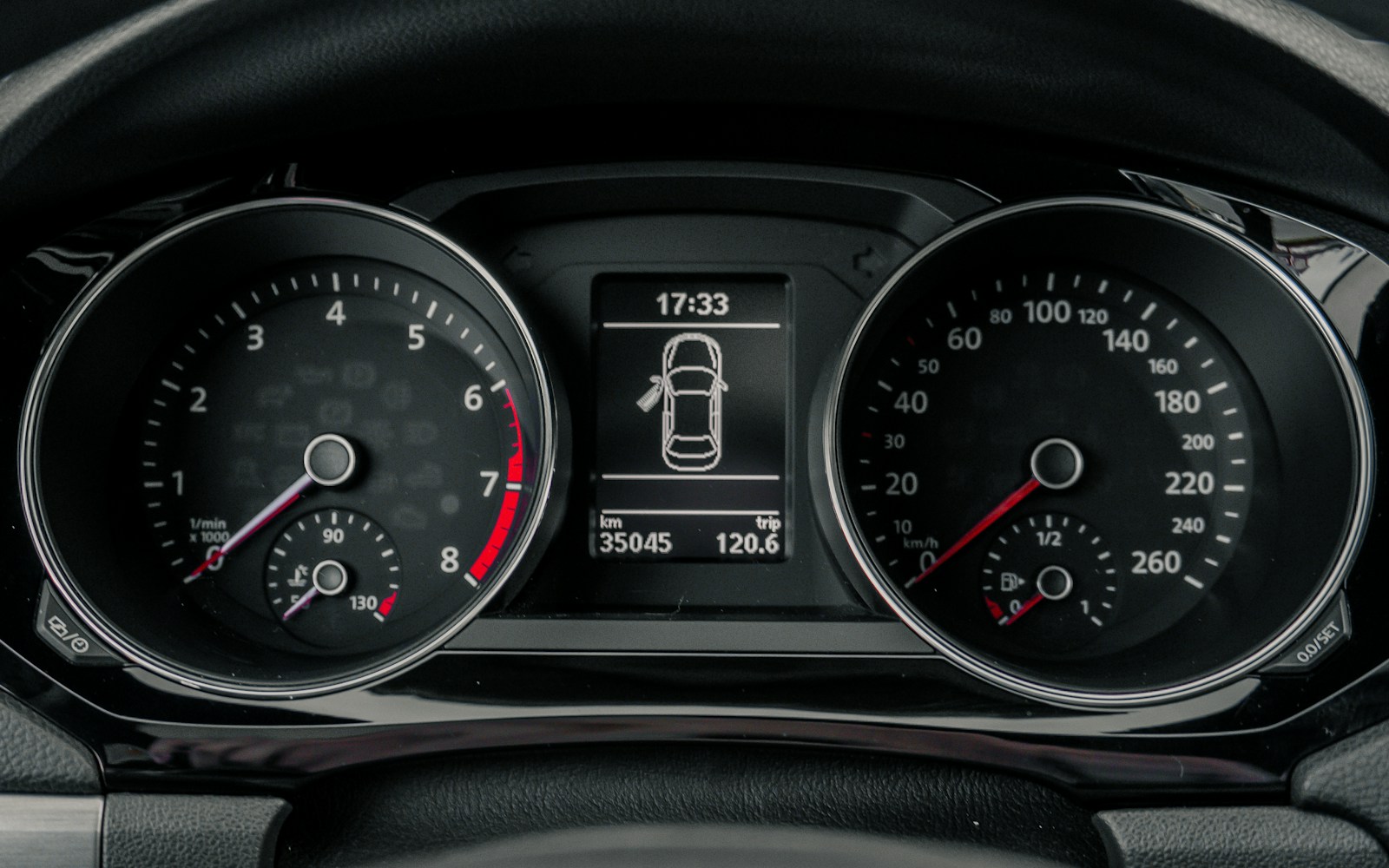

By the time the little amber oil-can icon lit up on Marissa’s dashboard, she’d already trained herself not to see it. Not in a denial-is-a-river-in-Egypt way—more like the way you stop noticing a loose stair because you’ve learned exactly how to step over it. The light came on two weeks after she picked up extra shifts at the diner, and it stayed on through the kind of mornings where she was scraping frost off the windshield with a gift card.
Money wasn’t just “tight.” Money was rent, gas, groceries, and a phone bill that had to be paid because her manager texted schedules instead of posting them. The car was a 2012 sedan with peeling clear coat and a trunk that only opened if you hit it on the right side, and it was the one thing keeping her from having to beg rides from her ex or her mom. So when the dashboard started lighting up like a cheap Christmas decoration, she did what a lot of people do: she decided she’d deal with it later, when later was financially possible.
Her boyfriend, Kevin, didn’t love that plan. He wasn’t some car-guy tyrant, but he’d grown up with a dad who changed oil religiously and treated “check engine” like a fire alarm. Every time he rode with her, he’d point at the glowing icon like it was personally insulting him. Marissa would shrug, turn the music up a notch, and say some version of, “I know, I know—next paycheck.”
The Light That Wouldn’t Shut Up
It started with the oil light, then the check engine light joined it like a friend showing up uninvited. The car also developed this tiny hiccup when she accelerated onto the highway, a little stutter like it had to clear its throat. Marissa noticed, but she also noticed her account balance sitting in the low double digits, and the math wasn’t complicated.
Kevin tried to make it simple. He offered to do the oil change himself in her apartment parking lot, swearing he could get everything from the auto parts store for cheap. Marissa said she didn’t want him “wasting his Saturday” on her mess, which was half pride and half not wanting to admit she didn’t have the money even for cheap.
There was also the part where the car still drove. It got her to work, got her to the grocery store, got her to Kevin’s place, and it hadn’t stranded her yet. The lights felt like nagging, and nagging is easier to ignore when you’re already tired.
Small Sounds Become Background Noise
Over the next month, the hiccup became a rattle that showed up when she turned the wheel too far to the left. Then there was a faint ticking noise when she started it cold, the kind of sound you can convince yourself is “just how it is” if you don’t say it out loud. Marissa started doing this thing where she’d start the car and immediately turn the radio on, like if she filled the cabin with noise first, the car couldn’t complain.
Kevin noticed, obviously. He’d sit in the passenger seat with his jaw tight, staring at the dashboard like it was a test she was failing on purpose. He stopped suggesting an oil change and started asking pointed questions: “When’s the last time you checked the dipstick?” “Have you at least added oil?”
Marissa would get defensive. Not screaming-defensive, but the kind that turns every question into an accusation. She’d snap that she was “handling it,” and Kevin would go quiet in that way that made her feel like she was being judged without a word.
The worst part was that she did know better. She just didn’t know how to do better without money, time, and the energy to deal with yet another thing that required a “grown-up” solution. The car wasn’t just transportation; it was her independence, and acknowledging it was dying felt like acknowledging she might be stuck asking for help she didn’t want.
The Day She Finally Had to Drive Far
The blow-up didn’t happen on a random Tuesday. It happened on the day everything was already stacked against her. Her coworker called out sick, her manager guilted her into covering a double, and Kevin couldn’t pick her up because he was working across town. The only way she could make it on time was to take the highway and hope the car behaved.
It was late afternoon, that gross in-between time when the sun is low and everybody’s in a hurry. Marissa merged into traffic with the oil light still glowing, the check engine light still on, and a new little message that flashed briefly—something like “LOW OIL PRESSURE”—before disappearing. She told herself it was a sensor glitch, because that’s what you tell yourself when the alternative is pulling over and admitting you’re stranded.
For the first ten minutes, it was fine. Then the ticking got louder, like someone tapping a pen against glass. Then it became a knocking that you could feel through the floorboard, a rhythmic thud that matched the engine’s speed.
Marissa gripped the steering wheel harder and did the thing people do when they’re trying not to panic: she started negotiating with an inanimate object. Just get me to work. Just hold on one more day. I’ll fix it next week.
When the Car “Forces” the Issue
It didn’t give her the courtesy of a gentle breakdown. There wasn’t a gradual loss of power where she could limp to the shoulder like in the movies. There was a sudden, ugly lurch—like the engine swallowed something it couldn’t chew—followed by a sharp metallic bang that made her flinch so hard she almost overcorrected.
The dashboard lit up with more warnings, and then the steering went heavy, like the car gained weight in an instant. The engine noise turned into a grinding, and then it just… stopped. Not peacefully. It seized, the way a jaw clenches shut, and the car became a rolling dead thing coasting on momentum while traffic streamed past like she was invisible.
She managed to drift onto the shoulder, hazards blinking like a small apology. When she tried to restart it, the key turned and the engine made a single pathetic click, then a noise like a spoon stirring gravel. She stopped immediately, because even she knew that sound meant she’d crossed the line from “ignore it” to “you broke it.”
Marissa sat there with her hands still on the wheel, staring straight ahead as cars hissed by. The smell hit next: burnt oil, hot metal, that acrid odor that tells you something inside got way too hot and way too dry. She didn’t cry right away. She just went very still, like her body was waiting for her brain to catch up.
The Fallout: Calls, Costs, and the Fight That Follows
Her first call was to her manager, who responded the way managers often do when someone has a real problem: a sigh, a clipped “Okay,” and a reminder about how short-staffed they were. Her second call was to Kevin, and she tried to sound calm, but her voice shook anyway. Kevin didn’t yell—at first. He just got very quiet, asked where she was, and said he’d come.
By the time Kevin pulled up behind her with his flashers on, Marissa had finally started crying, not dramatically but in that humiliating way where tears just leak out while you’re trying to keep your face neutral. Kevin walked up, took one look at the dashboard, then at her, and his expression tightened like he’d bitten down on something bitter. He asked, “Did you ever put oil in it?”
Marissa said she’d meant to. She said she was busy and broke and she thought it could wait. Kevin’s frustration snapped into place—not at her being stranded, but at the weeks of shrugging him off like he was overreacting for fun.
They stood on the shoulder with traffic blasting wind at their backs, having the kind of argument that feels both private and painfully public. Kevin told her this was exactly what he was afraid of, that it wasn’t about being controlling, it was about reality. Marissa shot back that he didn’t get it, that “just change the oil” still costs money she didn’t have, and that he acted like she was doing this to spite him.
The tow truck driver arrived and did the walk-around with the bored confidence of someone who’s seen every bad decision a person can make with a vehicle. He popped the hood, checked the dipstick, and made a face that said the answer was already obvious. He didn’t scold, but he did say something along the lines of, “There’s basically nothing in here,” and that landed harder than any lecture.
The shop called it later: engine seized, likely from oil starvation. The repair estimate was the kind of number that makes you feel physically lightheaded. More than the car was worth, more than Marissa could swing with “next paycheck,” more than Kevin could casually cover without it turning into a whole other kind of problem.
Kevin offered help anyway, but it came with a tone Marissa couldn’t stand—concern tangled up with “I told you so,” even if he tried not to say those words. Marissa, meanwhile, was stuck in that awful spot where she needed help and also felt like accepting it would prove she couldn’t handle her own life. They drove home in Kevin’s car, silent most of the way, the kind of silence that isn’t peaceful so much as loaded.
Now she’s figuring out rides to work, looking at used cars that all feel like traps, and weighing whether taking a loan from Kevin is worth what it would do to their relationship. Kevin’s still upset, but it’s not just anger anymore—it’s this lingering worry that she’ll always wait until things break in the most catastrophic way possible. And Marissa can’t stop replaying that moment on the highway, the instant the car finally forced her to listen, and how expensive it is when life doesn’t let you postpone consequences just because your bank account says you should.