

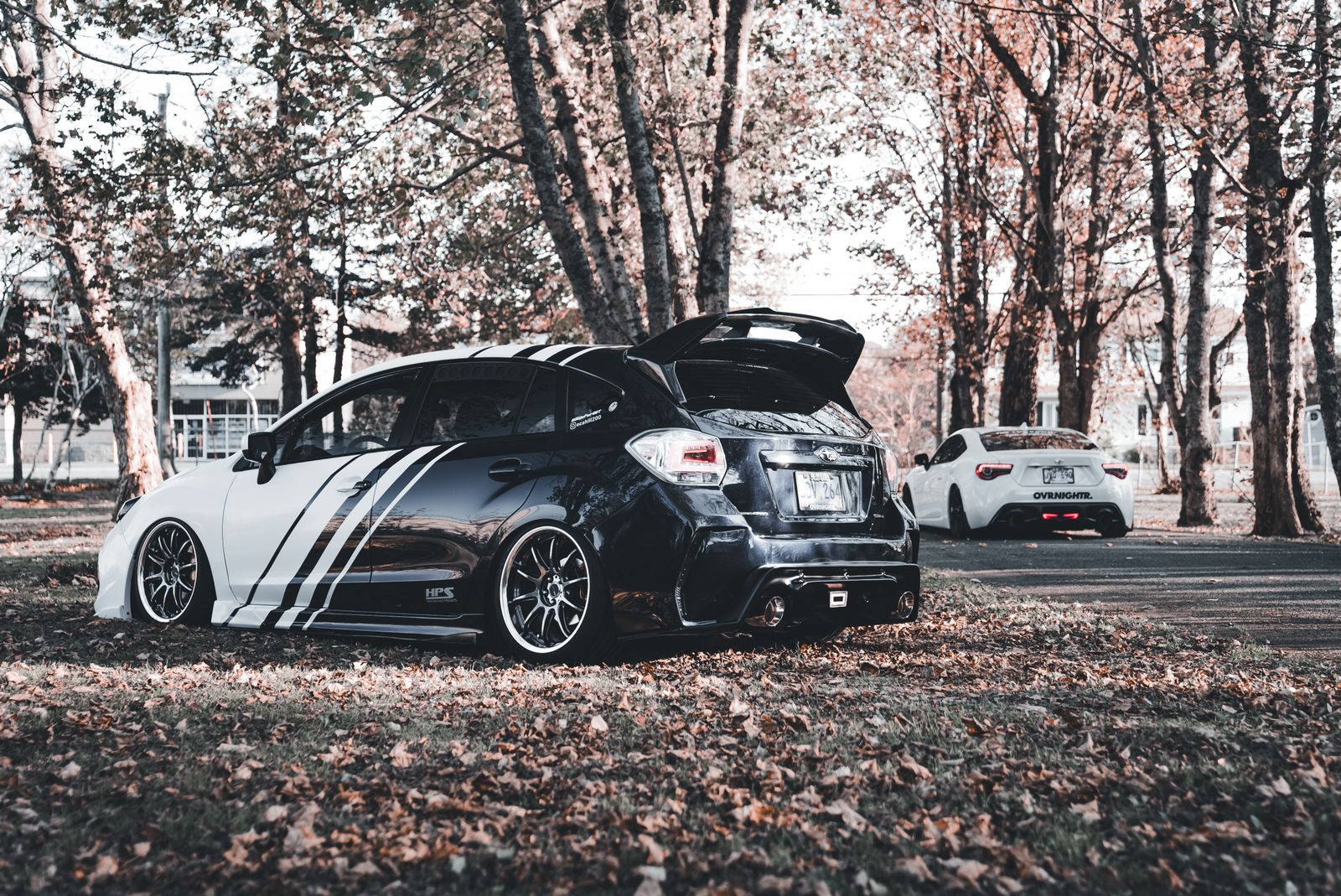
He’d been hunting for the car for months, the kind of “I’ve wanted one since I was 16” search that turns into late-night classifieds and refreshing marketplace listings like it’s a job. It was a clean-looking sports coupe in the exact color he wanted, sitting in a grocery store parking lot under harsh sunlight that made every panel look perfect. The seller was a stranger with a firm handshake, a friendly laugh, and a whole rehearsed speech about how the car was “sorted” and “tastefully done.”
The hook was the mods. Not a gaudy widebody or neon underglow—more like the quiet, respectable stuff: intake, exhaust, bigger intercooler, and the big selling point, a “performance tune” from a shop name that sounded legit enough to stop him from asking too many questions. The seller talked about how it woke the car up, smoothed everything out, made it pull clean to redline. He even said the tune was conservative, “safe,” the word buyers love to hear when they’re about to buy someone else’s project.
The buyer took it for a test drive and got exactly what he wanted: boost came on hard, the exhaust burbled on overrun, and the throttle response felt sharp like a brand-new video game controller. The dash didn’t light up like a Christmas tree, the idle didn’t hunt, and the engine bay didn’t look like a science fair experiment. So he did the thing people always say they won’t do but do anyway—he handed over the money, signed the papers, and drove home with the windows down, convinced he’d finally pulled off a good one.
The first weird signs were easy to ignore
The first couple days were basically honeymoon miles. He took the long way everywhere, did a few third-gear pulls where the road opened up, and sent friends videos of the exhaust note like that’s a normal adult activity. The car felt stronger than stock, and it didn’t do anything dramatic—no misfires, no obvious smoke, no puddles underneath when he parked.
But little stuff started creeping in, the kind that doesn’t scream “disaster” so much as “this car has quirks.” The oil level dropped faster than he expected, not a huge amount, but enough that he topped it off and told himself it was probably just an older turbo motor being an older turbo motor. He also noticed the engine ran a little hot in traffic, the temp needle hovering a hair higher than where it seemed like it should sit.
Then there was the smell after a spirited drive. Not quite burning oil, not quite coolant, just this faint hot-metal scent when he popped the hood, like something was always cooking. The seller had mentioned the tune made it “run a little richer for safety,” so the buyer mentally filed the smell under “modified car things” and kept enjoying it.
A quick check turned into a rabbit hole
It wasn’t one big failure that sent him looking for answers—it was a slow accumulation of annoyance. The car started stumbling slightly on cold starts, and the fuel economy got weirdly bad in a way that didn’t match how he was driving. A friend rode with him one afternoon and said, casually, “Dude, why does it sound like it’s pinging?” and that single comment dug into his brain like a splinter.
So he did what modern car people do: he ordered a cheap OBD reader and downloaded a logging app. He figured he’d see a harmless sensor code or maybe nothing at all, and then he could stop thinking about it. Instead, the logs showed knock counts that didn’t make sense, especially under load, plus ignition timing that looked like it was getting yanked around like the ECU was in a panic.
He posted screenshots in a couple enthusiast groups and got the kind of responses that aren’t comforting. Some people told him to stop driving it immediately. Others asked what fuel he was using, what plugs were in it, and—most importantly—who tuned it. When he dropped the shop name, the reactions got strangely cautious, like everyone knew something but didn’t want to be the one to say it outright.
The “tune” wasn’t a tune so much as a shortcut
He finally booked time at a reputable performance shop in the next town over, the kind of place with a dyno, clean floors, and cars in various states of disassembly that look expensive even when they’re broken. The tech went for a drive with him, laptop open, watching live data. He didn’t say much at first, just made little “huh” noises and asked the buyer to do a gentle pull in third, then another, then back off.
Back at the shop, they pulled the plugs. They weren’t just worn—they looked wrong, like heat had been chewing on them, with that chalky, stressed look that makes mechanics go quiet. The tech pointed at the plug tips and asked how long he’d owned the car, and when the buyer said “a couple weeks,” the tech exhaled like he’d been holding his breath.
Then they opened the ECU map, and the whole vibe changed from “let’s troubleshoot” to “who did this to you.” The “performance tune” was essentially an aggressive off-the-shelf map shoved onto a car with mismatched parts, with boost targets that didn’t line up with the fueling. The air-fuel ratios under load were leaner than they should’ve been, and the knock control looked like it was working overtime just to keep the engine from rattling itself apart.
The tech’s explanation was simple in the worst way: it wasn’t blowing up because modern ECUs are smart, but it was being forced to live at the edge every time he got into boost. It wasn’t an instant grenade; it was a slow grinder. Every hard pull was a tiny bite taken out of the engine’s future, shaving away safety margin until one day it wouldn’t have any left.
The engine wasn’t dead yet, but it wasn’t healthy either
They did a compression test, then a leak-down. The numbers weren’t catastrophic across the board, which almost made it worse, because it meant the engine hadn’t failed in a clean, obvious way. Instead, one cylinder was noticeably weaker, not “tow it home right now” weak, but weak enough that everyone in the room understood the direction this was going.
The shop recommended pulling the tune immediately and flashing a safer base map, then figuring out whether the car could be saved with a proper custom tune and some preventative work. They also warned him that the damage already done might not be reversible. A piston ring could be starting to give up. A valve could be slowly getting cooked. The turbo might be fine, or it might be shedding tiny bits into the intake, and you wouldn’t know until it got loud.
The buyer sat in the waiting area staring at his phone, alternating between anger and that sick, self-blaming feeling. He kept replaying the test drive in his head, trying to remember if the seller had avoided going full throttle, or if the route had been carefully chosen. He remembered the seller saying, “I babied it,” and suddenly that sounded less like responsible ownership and more like someone keeping a problem from becoming obvious.
Trying to confront the seller got ugly fast
He reached out to the seller with a polite message first, the kind that gives someone an off-ramp. He explained what the shop found, mentioned the knock and the lean conditions, and asked if the seller had any info about who tuned it or what map was used. The seller responded like he’d been expecting this, immediately defensive: the car was fine when it left, he’d never had issues, maybe the buyer used bad gas.
When the buyer pressed—sent screenshots, mentioned the compression numbers—the seller’s tone shifted into irritation. He said modifications always come with risk. He said the buyer should’ve had a pre-purchase inspection. He said, basically, “It’s a used car, man,” and acted like the whole situation was buyer’s remorse dressed up as mechanical paranoia.
The buyer tried a different angle, asking if the seller still had the stock tune file or any receipts from the tuning shop. The seller stopped replying for a day, then sent a short message that didn’t answer the question and ended with, “Don’t contact me again.” That was the moment it stopped being a misunderstanding and started feeling like something closer to a setup.
The car, meanwhile, sat in the shop lot with a safer map loaded, not fixed so much as stabilized. The buyer could drive it home, but every mile felt like a gamble, and every engine noise sounded suspicious. The shop could retune it properly, sure, but they couldn’t promise the engine wouldn’t eventually show the scars of those lean pulls and constant knock correction.
What stuck with him wasn’t just the money—though the numbers were ugly, because “just a tune” can turn into a rebuild faster than anyone wants to admit. It was the feeling that the car’s whole personality had been a disguise: that sharp, exciting pull on the test drive was the exact thing doing the damage. And now he was left with a choice that didn’t feel like a choice at all—keep driving a compromised engine he didn’t trust, or start ripping into it with no guarantee the problem hadn’t already been baked in by someone else’s idea of “performance.”