

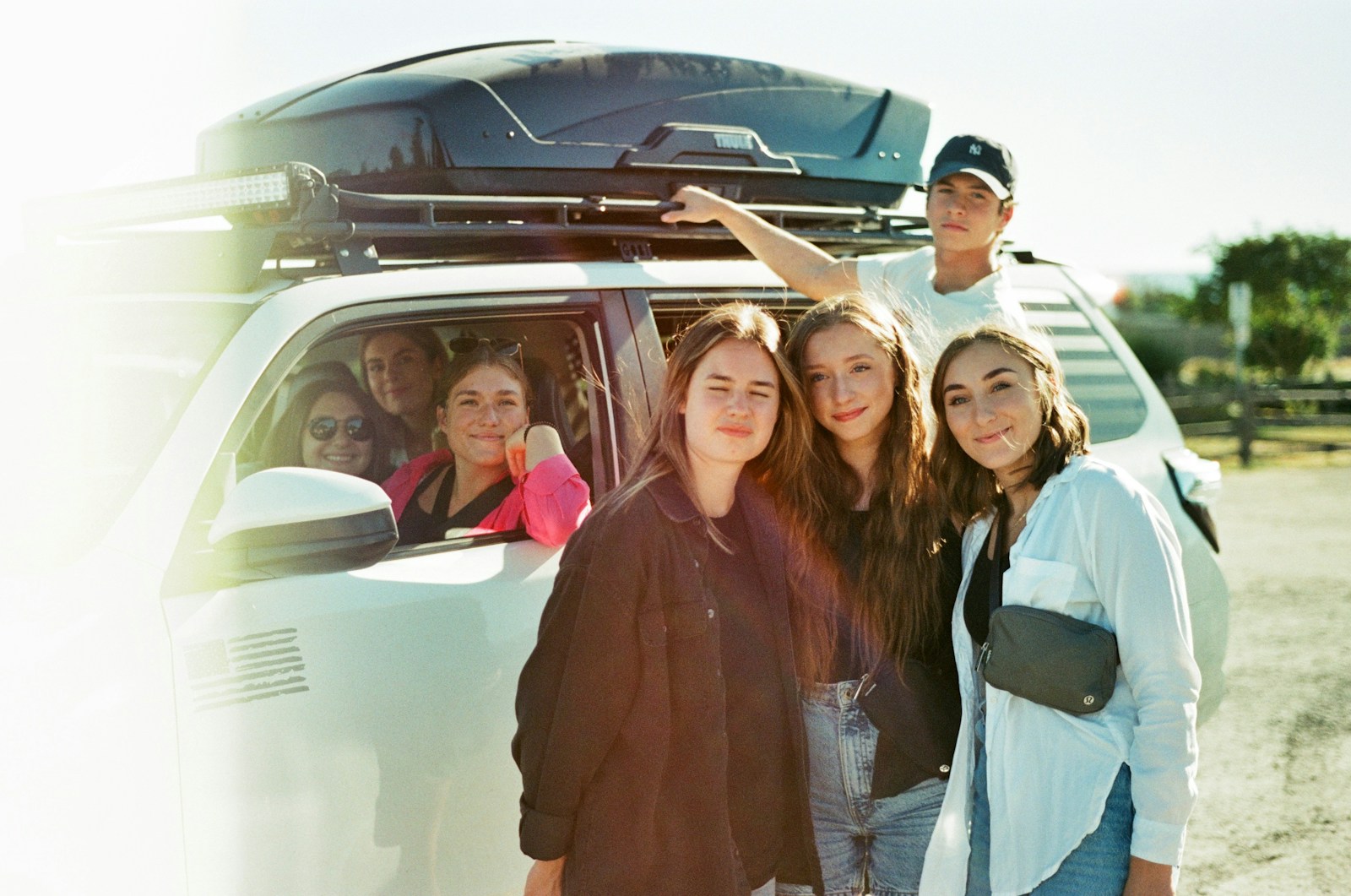
They were barely forty minutes into the trip when the first little warning sign tried to ruin the vibe. The SUV was packed in that particular way families pack cars: cooler wedged behind the passenger seat, beach chairs crammed like Tetris pieces, a tote bag of “just in case” medicine rolling around the footwell, and someone’s hoodie shoved into a cupholder because there was nowhere else to put it.
Dad was driving like he always drove on vacation mornings—half excited, half tense, trying to outrun traffic and prove the early departure was worth it. Mom had the phone mounted on the dash with the route up, occasionally zooming in like that would somehow prevent the inevitable slowdown. The kids were in the back doing that low-level sibling warfare where nobody’s technically “fighting,” but everyone’s one snack request away from it.
Then the temperature gauge flickered upward, just a little. Dad noticed, did the classic “that’s weird” squint, and tapped the dash once like the car needed encouragement. It dipped, then climbed again—this time fast enough that Mom’s eyes snapped from the map to the instrument cluster.
The kind of packing that turns small problems into big ones
This wasn’t a “we tossed a couple bags in the trunk” situation. They’d brought enough stuff for a week and stacked it high enough that the rear window looked like a solid wall of blankets, board games, and folded-up pool floats. The dog—because of course there was a dog—was wedged between a duffel and a laundry basket, panting like it had already had the worst day of its life.
So when the gauge jumped again, the first argument wasn’t even about the engine. It was about whether they could safely pull over with the way everything was packed, because Mom had been nagging for weeks about “not blocking visibility,” and Dad had brushed it off like it was paranoia. Now, with the needle creeping toward hot, Mom’s “I told you so” was hovering in the car like a smell nobody could ignore.
Dad tried the calm voice that isn’t actually calm. “It’s fine. It’s probably just because we’re climbing,” he said, even though they weren’t climbing anything except his own stress level. Mom asked him to turn off the AC, and he did, which immediately made the inside of the SUV feel like a damp armpit full of goldfish crackers.
The gauge starts flashing, and nobody wants to be the first to panic
The moment the temperature light started blinking, the whole tone changed. It wasn’t theoretical anymore, not the kind of dashboard hint you can ignore until the next oil change. The kids noticed too, because kids can sense adult anxiety like smoke, and suddenly the backseat got quieter in that suspicious way that means they’re listening.
Dad tightened his grip on the wheel and tried to find an exit, but they were in that stretch of highway where exits are either “right now” or “in seven miles.” Mom started listing possibilities out loud—coolant leak, thermostat, radiator fan—half trying to diagnose, half trying to stay busy so she didn’t start yelling. Dad didn’t want the kids hearing “coolant leak” or “engine,” so he kept repeating “We’re okay, we’re okay,” which somehow made it feel less okay.
When they finally saw a shoulder wide enough to fit the SUV without feeling like it was one semi away from getting clipped, Dad eased over. The car rolled to a stop with a little lurch, and everyone sat in that weird quiet where you can hear the engine ticking like it’s thinking about what it’s going to do next. Mom said, “Don’t open the hood yet,” which was sensible and also sounded like she was trying to keep Dad from doing something dramatic.
Shoulder-of-the-highway physics: heat, noise, and a packed car full of opinions
They got out anyway because the cabin had turned into a sauna with the AC off. The shoulder smelled like hot rubber and dirt, and every passing vehicle punched the air like a slap. The kids stayed close, suddenly clingy, while the dog tried to bolt toward the grass like freedom was just ten feet away.
Dad popped the hood despite Mom’s warning, then immediately recoiled because the heat hit him in the face. A faint sweet smell—coolant, probably—hung in the air, and that was when Mom’s expression shifted from annoyed to genuinely worried. She asked if he’d noticed anything earlier in the week: puddles in the driveway, low fluid, the heater acting weird.
Dad admitted he’d topped off the coolant “a little” a few days ago but hadn’t mentioned it because he didn’t want to deal with “a whole thing.” That landed exactly like you’d expect. Mom’s voice went tight as she asked what “a little” meant, and he did that evasive shrug that basically says, “Enough to matter but not enough to admit.”
From the backseat, one kid asked if they were still going to the beach, and the question was so innocent it almost made it worse. Mom said, “We’re figuring it out,” in the same tone people use at airports when the flight board says DELAYED in bright red letters. Dad stared into the engine bay like the answer was written on the radiator cap.
The emergency plan that turns into a relationship argument
Mom wanted to call roadside assistance immediately. Dad wanted to limp to the next exit and find a gas station, because the idea of waiting on the shoulder with the whole family felt like failure. They went back and forth in that way couples do when they’re trying not to fight in front of their kids, which mostly just means they fight with sharper whispers.
The other complicating factor was cell service—spotty enough that the call kept breaking up. Mom stood a few feet away with the phone held up like she could catch a better signal on the wind, while Dad tried to do the “quick checks” he’d picked up over the years: looking for obvious leaks, checking hoses, pretending the situation was under control. The kids, meanwhile, were now fully in the “are we dying?” phase of curiosity, and Mom kept snapping, “Stay away from the road,” every time a truck thundered past.
When Mom finally got through to roadside, the estimated wait time made Dad’s jaw clench. He started muttering about how they should’ve taken Mom’s car instead, how the SUV had “been fine,” how the mechanic “said it was good.” Mom shot back that “good” apparently meant “good until you have a heat stroke on the interstate,” and that’s when the kids started pretending they weren’t listening by suddenly being very interested in their water bottles.
Dad suggested they unload some of the cargo so they could reach the spare coolant he swore was “in there somewhere.” That sounded like a plan until they realized “somewhere” meant under four layers of vacation optimism. The shoulder turned into a chaotic yard sale: cooler out, beach chairs out, a bag of chips immediately ripped open by the dog, and Mom standing there furious because she knew half of this stuff would never get packed back in the same way.
The quick fix that isn’t really a fix
They did find the coolant, eventually, along with a sticky sunscreen bottle that had burst in a tote and turned everything it touched into an oily mess. Dad poured the coolant in carefully, as if being gentle would make the engine forgive them. The level dropped faster than it should have, which didn’t exactly inspire confidence.
Mom asked the question nobody wanted to ask: “If it’s leaking, where is it going?” Dad didn’t answer, because there’s no comforting answer to that on the side of a highway. He tried starting the car again after letting it cool, hoping they could crawl to the next exit, but the gauge began rising almost immediately—like the SUV was offended they’d even tried.
That’s when the mood turned from “stressful inconvenience” to “okay, this is actually an emergency.” Mom insisted everyone get back away from the vehicle and sit on the grassy slope, because the shoulder felt too close to traffic and because she needed something she could control. Dad paced, alternating between calling roadside again and staring at the engine like it had personally betrayed him.
When the tow truck finally showed up, the driver took one look and did that professional inhale that says, “Yeah, you’re not going anywhere.” He didn’t scold, but he didn’t sugarcoat either. He asked if they’d been driving with the temperature high, and Dad said, “Not long,” which was technically true if you define “long” as “long enough to ruin your day.”
They crammed into the tow truck cab and the SUV’s remaining seats, and the kids, now tired and sticky and confused, kept asking if the vacation was canceled. Mom didn’t answer directly; she just stared out the window like she was running through a mental list of reservations, refund policies, and all the little choices that had led them here. Dad sat rigid, eyes forward, absorbing the quiet kind of humiliation that comes from realizing your “it’s probably fine” instinct has a price.
By the time they got to the nearest service station, it wasn’t even the overheating that felt like the main problem anymore. It was the way the day had cracked open an old argument about preparation, communication, and who always ends up managing the consequences. The car was the thing that broke down, but the tension rode right along with them—still humming hot, still flashing, and not at all ready to cool off just because the engine finally did.