
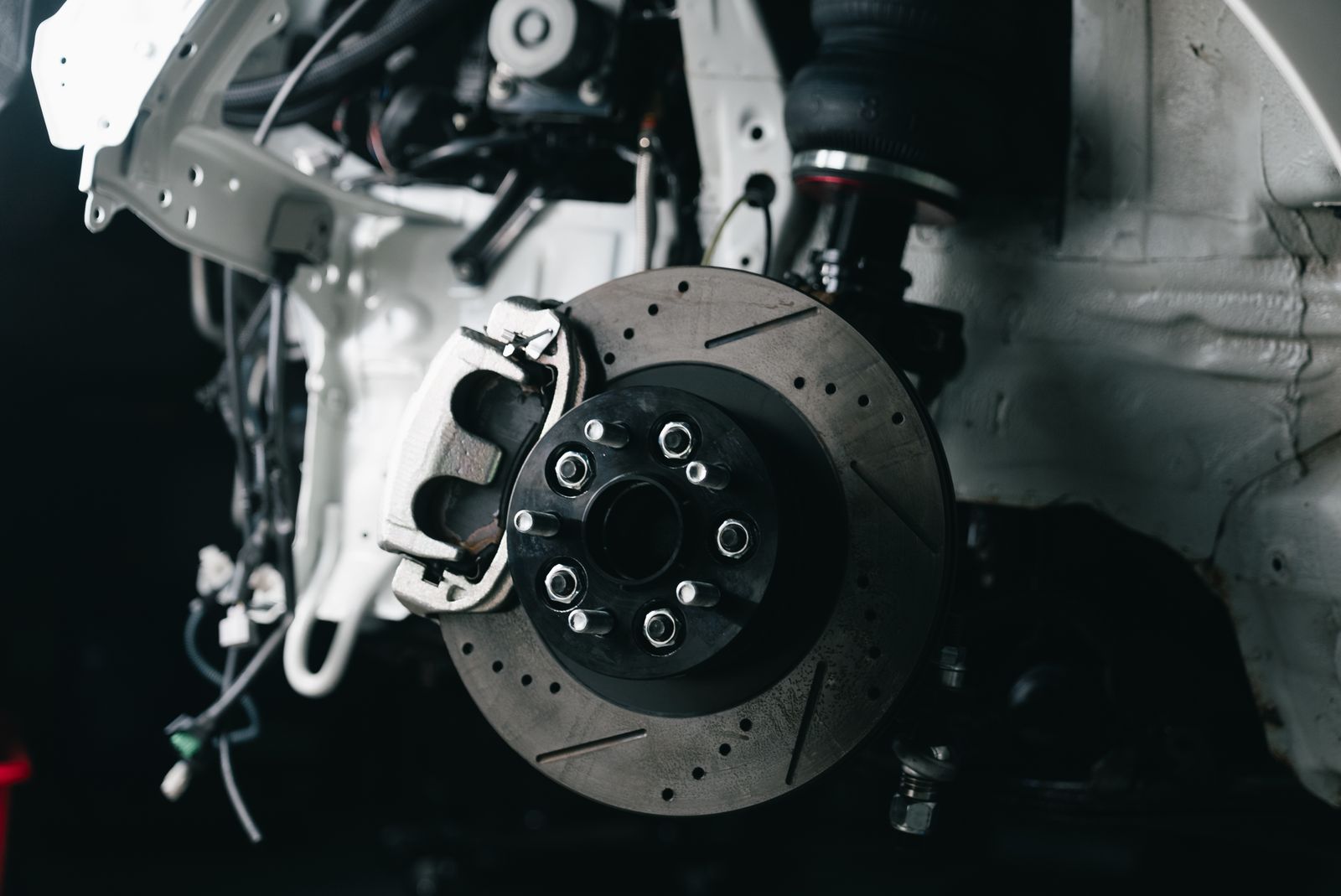

It started the way a lot of domestic blowups start: with a sound only one person seemed to take seriously. A soft, ugly squeal every time the family SUV eased down the driveway, then a gritty little shudder in the pedal like the car was clearing its throat. She noticed it first because she was the one doing school drop-off most mornings, the one creeping through the pickup line with coffee sloshing in the cup holder.
Her husband heard it too, technically. He just heard it the way some people hear a smoke detector chirp at 2 a.m.—as an annoyance that can be handled later, preferably by someone else. “It’s fine,” he kept saying, with that casual confidence that comes from wanting something to be true. The problem was that “later” kept getting pushed down the calendar while the sound got sharper, more insistent, like the car was trying to argue back.
She didn’t want to be dramatic about it. They had two kids in car seats, a life that ran on errands, practices, grocery runs, and quick trips that turned into twenty minutes of traffic. But every time she brought up the brakes, he acted like she was trying to start a fight over nothing, and she could feel herself getting that tight, simmering kind of angry that never looks good on anybody.
The first warning wasn’t even subtle
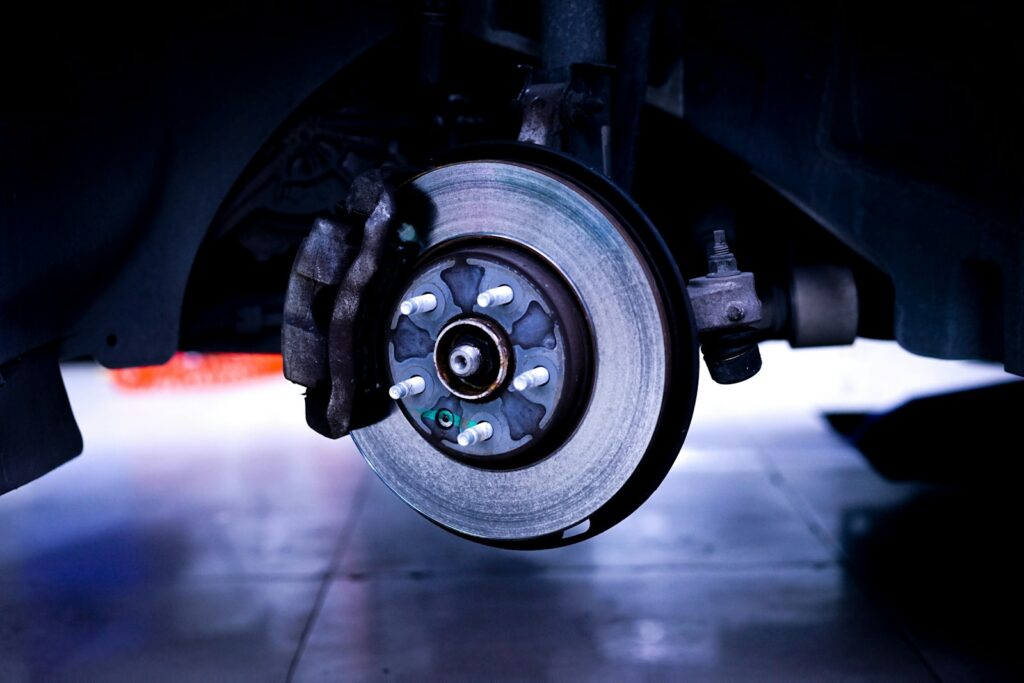
One afternoon, she mentioned it again after coming home from a stoplight that felt “wrong.” The pedal had gone a little soft under her foot, and she’d had to press harder than usual, like she was asking the car for a favor. She told him about it in the kitchen while he scrolled on his phone, and he didn’t even look up.
He hit her with the usual: “Brake pads squeal sometimes,” and “You’re just not used to how this car feels,” and the classic, “I’ll take it in next week.” Next week was always a convenient place where nothing bad could happen. Meanwhile, she started doing that thing drivers do when they don’t trust their vehicle—leaving extra space, braking earlier, running mental math on every yellow light.
She tried to make it easy for him, not like she was nagging, just like she was solving a problem. She pulled up the local shop’s number. She pointed out the coupon they’d mailed weeks ago. She even offered to take it in herself, but he waved that off too, like it was a point of pride that he would “handle it.”
The part that got under her skin was how he framed it like she was overreacting. He’d smirk, like she was telling a ghost story. When she pushed, he’d sigh and look at her like she was draining the joy out of his evening over a noise the car “always makes.”
How it turned into a weird power struggle
By the time the brakes started grinding, it wasn’t just about the brakes anymore. It was about being dismissed so consistently that she could predict the exact rhythm of it: she’d bring it up, he’d downplay it, she’d get frustrated, he’d act wounded by her “tone.” She started keeping a mental list of all the times she’d been right about things he’d brushed off, and that list was getting heavy.
He was the kind of person who equated maintenance with inconvenience. Oil changes were always “soon,” weird smells were “probably nothing,” and the check engine light was treated like a friendly suggestion. He wasn’t reckless in a thrilling way; he was reckless in a lazy, stubborn way, which is honestly more infuriating because it’s preventable.
She caught herself watching him drive. Not in a romantic way—more like she was monitoring a teenager with a learner’s permit. When he’d brake late and roll up close behind someone at a red light, she’d clench her jaw and bite back the comment, because she already knew where that would go.
Their kids picked up on the tension in that casual, observant way kids have. The older one asked why Mom was “mad at the car.” The younger one started mimicking the squeal sound with their mouth, like it was funny. He laughed at that, which made her want to scream.
The day everything finally slipped
The failure didn’t happen during some dramatic road trip or in a storm. It was ordinary, which made it scarier—just a weekday afternoon with the kids strapped in the back and a list of small stops to knock out. He’d taken the SUV because his car was low on gas and he didn’t feel like stopping, and she’d stayed home to finish a work call.
He was supposed to grab the kids from after-school care and swing by the pharmacy. He texted once, something casual about traffic, and then there was a gap. When her phone rang, she answered expecting a quick question about which prescription to pick up.
Instead, it was his voice pitched higher than normal, the kind of tight, controlled panic people get when they’re trying not to scare whoever’s listening. He said, “The brakes aren’t working right.” Not “they feel weird.” Not “they’re squealing.” “They aren’t working right,” like he’d just discovered gravity.
He explained in choppy pieces: he’d been coming up to a light, pressed the pedal, and it went down farther than it should. The car didn’t slow like it normally would. He pumped it, felt a moment of bite, then nothing, and he had to swerve partly into the shoulder to avoid the car in front of him.
In the back seat, both kids were crying—real crying, not the annoyed whining they do when you take away snacks. He could hear them asking if they were going to crash. He told her he’d managed to roll into a parking lot, but his hands were shaking so badly he could barely hold the phone.
The aftermath in the parking lot
She drove to them in her own car, heart pounding, doing that irrational thing where you imagine the worst on every block until you see everyone physically standing and breathing. The SUV was parked crooked, half in a space like he’d just dumped it there and couldn’t bring himself to adjust. He was standing outside with the kids, trying to act calm while his face did not match the performance.
The kids ran to her, still sniffling, and she did the quick mom scan—no bruises, no blood, just terror and adrenaline. Her husband started talking immediately, like he needed to explain his way out of the feeling. He said the pedal “just went,” that it was sudden, that he’d handled it, that it was probably a line or something “random.”
She looked at him and didn’t even know where to start. Because it wasn’t random, and it wasn’t sudden, and the car had been practically singing about this for weeks. But standing in a parking lot with two shaken kids clinging to her legs wasn’t the place for the argument she’d been holding in her chest.
They called a tow truck. While they waited, he kept trying to pull her into a private conversation, lowering his voice like he wanted to manage the narrative. He asked her not to “make it a thing” in front of the kids. She stared at him like he’d asked her not to breathe in front of the kids.
When the tow truck driver showed up and did a quick look, he made the kind of face mechanics make when they’re trying not to insult you. He asked when the brakes were last serviced. Her husband answered vaguely, and she answered honestly: “I’ve been asking him to take it in.” Her husband shot her a look that was half warning, half embarrassment.
What they fought about afterward wasn’t just the car
Later that night, after baths and bedtime and the weird quiet that settles into a house after a scare, the argument finally landed. He wanted the storyline to be that this was a fluke and he’d acted heroically. She wanted him to admit that he’d ignored her repeatedly and risked their kids over something that could’ve been fixed with an appointment and a couple hundred bucks.
He kept getting stuck on the word “ignored,” like it was too harsh, like it accused him of being a bad person instead of a stubborn one. He said he “heard her,” he just didn’t think it was urgent. She asked him what “urgent” means if it doesn’t include the possibility of not being able to stop at a red light with their children in the car.
He tried to pivot into defensiveness: money was tight, schedules were packed, she could’ve taken it in if she was so worried. That last part hit like a slap, because she had offered, and he had shut it down, and now he was rewriting it like the problem was her anxiety. She reminded him of that, and he went quiet in the way people do when their own words corner them.
What really dug in, though, was the emotional residue. She couldn’t shake the image of the kids crying in the back seat, the way their faces looked when they ran to her in the parking lot. He couldn’t shake the feeling of the pedal sinking under his foot and the momentary, sick realization that he was responsible for everyone behind him.
The SUV ended up needing more than pads—rotors, calipers, the whole sad list that comes from “later” becoming “too late.” The bill was ugly, but not as ugly as the silence between them the next morning when he reached for his keys out of habit and she asked, flatly, which car he planned to put the kids in.
Because that’s where it left off: not with a neat resolution, not with him magically becoming a maintenance guy overnight, but with her trust taking a visible dent. It wasn’t just that the brakes failed—it was that she’d been warning him in plain language, over and over, and he’d treated her like background noise right up until the moment the car proved she’d been right.
More from Steel Horse Rides: