

They’d already done the thing people swear they’re going to do: they brought the car to an independent mechanic before buying it. Saturday morning, coffee breath, a folder of printed listings, and the shaky optimism of two people trying to be “responsible adults” instead of impulse shoppers.
The car was a used SUV at a mid-size dealership on the edge of town, the kind with a giant inflatable tube man and a strip of faded pennant flags that looked permanently tangled. The salesman was friendly in that polished, too-familiar way, calling them “folks” and talking about how this exact model “never lasts more than a day on our lot.” The couple—late twenties, not car people—kept repeating the same line: they just needed something reliable for commuting and weekend trips, nothing fancy.
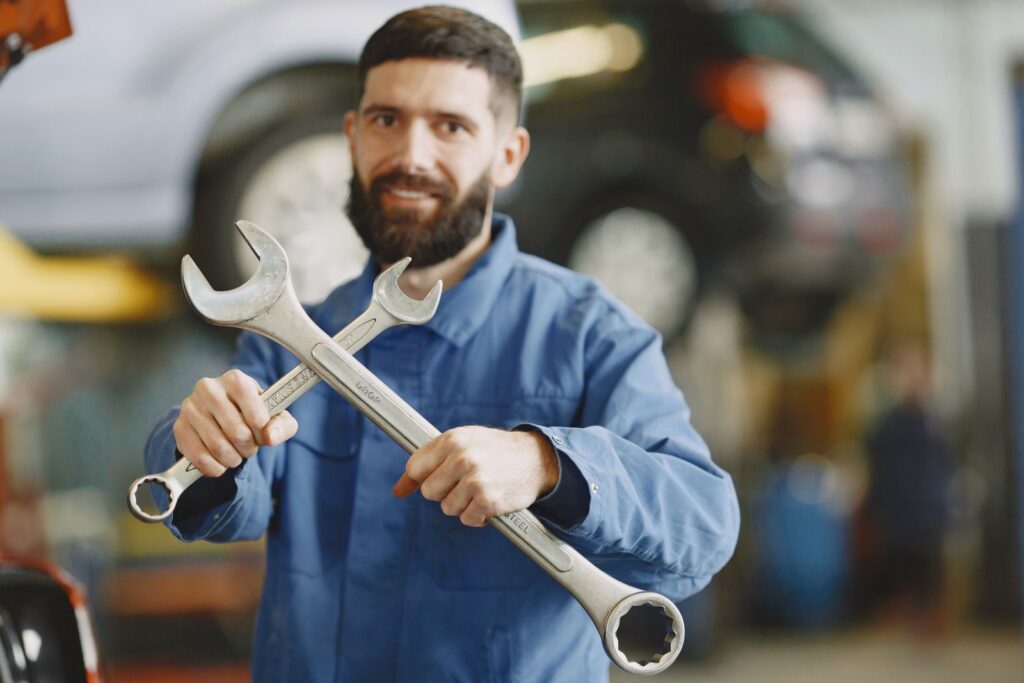
They drove it over to a nearby shop they’d used once before for brakes. The mechanic, a stocky guy with grease in the lines of his hands, didn’t even look up from the front counter when they said they needed a pre-purchase inspection. He just sighed like he’d heard the dealership’s name too many times and said, “Give me an hour.”
The inspection didn’t take an hour
It took maybe twenty minutes before he walked back into the waiting area wiping his hands on a rag. He didn’t do the “so here’s what we found” tone first. He started with, “Are you already in love with it?”
When they hesitated, he shook his head and said, “Don’t buy this car.” Not “you might want to think about it.” Not “it needs some work.” Just a flat, immediate no, like he’d seen a snake in the grass and was pulling them back by the collar.
He rattled off the hits in the same breath: fresh undercoating that looked like it was hiding rust, a slow coolant seep near the water pump, and a transmission fluid color that made his mouth twist. He pointed at the tires and asked if they noticed the uneven wear, then showed them the inside edges that were practically bald. “This thing’s been chewing through alignment for a while,” he said, “and nobody ‘just didn’t notice’ that.”
They asked the obvious question—how much? He shrugged and gave them the kind of estimate that isn’t meant to be precise, just sobering. “A couple grand if you’re lucky and it’s just what I can see. More if it’s what I think it is.” Then he added, “And that’s before you learn why they’re selling it.”
Back at the dealership, the vibe flips
They returned the SUV and tried to keep it polite. They thanked the salesman for letting them take it, said their mechanic found some issues, and that they were going to keep looking. They expected the usual back-and-forth—maybe a “what if we knock off a little” or a begrudging “okay.”
Instead the salesman’s smile tightened like a drawstring. He asked which mechanic, like the name would tell him how hard he needed to argue. When they told him, the salesman gave a short laugh and said, “Oh, that guy? He tells everyone not to buy anything. He wants your money in his shop.”
It wasn’t just dismissive; it was personal, like the salesman was trying to swap out the couple’s trust in a professional for trust in him, a guy whose entire job was to get them to sign. He walked them inside anyway, steering them toward his desk with a hand on the back of a chair, talking faster. “Look, pre-purchase inspections are fine, but you can’t let one guy kill a deal. This is a good vehicle, and we have other interested buyers.”
The couple tried to hold their ground—no, they weren’t comfortable, they’d pass. The salesman nodded as if he agreed, then immediately started printing something. He said he just needed to “write up the numbers” to show them what they’d be missing, like it would be educational, like it wasn’t the first step in a trap.
The paperwork ambush
Within minutes, the desk was covered in documents: buyer’s order, financing application, a “we owe” form with blank boxes, and a warranty brochure that looked like a restaurant menu. The salesman slid one paper forward and tapped the signature line with the cap of his pen. “This just locks in the price while we talk,” he said. “It’s not binding.”
That phrase—“not binding”—is the kind of thing that makes people’s stomachs drop later when they realize they didn’t actually understand what they signed. The couple glanced at each other, both trying not to look naive, both hearing the mechanic’s voice in their head. They asked if they could take the paperwork home to read it.
The salesman’s tone turned syrupy but sharp around the edges. “We can’t hold cars without a commitment. If you leave, I can’t promise it’ll be here when you come back.” He pointed toward the window at the SUV like it was already half gone. “It’s Saturday. These move.”
He didn’t give them space to think. Every time one of them paused, he filled the silence with urgency: the bank was open now, the manager was about to leave, the weekend special ended today, someone else test-drove it earlier. He kept saying “folks” like he was being friendly, but his eyes didn’t soften.
When they try to walk, he blocks the exit—socially
They said, again, they weren’t buying. The woman stood up first, gathering her purse and phone, and the man pushed his chair back like he was finally ready to end it. The salesman stood too, faster than them, and did that dealership move where he’s still smiling but suddenly he’s between you and the natural path out.
He asked what it would take to “earn their business.” They repeated: the mechanic said no, and that was that. The salesman countered by calling the mechanic “a fear salesman,” then offered to have their “service department” look at it, as if the dealership’s own shop would deliver an unbiased second opinion.
He also tried the couple dynamic thing, aiming his words at the man while glancing at the woman like she was the emotional one. “I can tell you’re practical,” he said, “and you don’t want to miss out over something minor.” It landed exactly how you’d expect—like an insult dressed as a compliment—and the woman’s face went cold.
They finally got past him and toward the door, but not before he tossed out the line that’s designed to sting: “So you’re really going to let someone else decide for you?” It wasn’t even about the car anymore. It was about pride.
The signature they didn’t mean to give
Here’s where it got messy. On the way out, the salesman said there was “one last thing” he needed for his file: a signature acknowledging they test-drove the vehicle and received the disclosures. He held the paper up like a clipboard at a doctor’s office—sign here, date here, standard stuff.
They were flustered, already halfway mentally in the parking lot, and the man signed without reading the header. The woman didn’t sign, but she didn’t stop him either, because she assumed it was exactly what it was presented as: a test drive form. The salesman snatched it back immediately, folded it once, and tucked it under a stack like a magician palming a card.
In the car, the woman asked, “What did you sign?” The man said, “Just that we drove it.” But his voice didn’t sound sure. He pulled into a spot down the street, opened his email, and saw a new message from the dealership with a subject line that made his throat tighten: “Congratulations on your purchase.”
The document he’d signed wasn’t a test drive acknowledgment. It was a purchase agreement with language that looked, to a stressed-out non-lawyer, like it could absolutely be binding, especially with a credit application already started. The salesman had used the panic of leaving to get the one thing he needed: ink.
They called the salesman immediately, and he answered like he’d been waiting by the phone. He said the deal was “in motion” and that they’d need to come back to “unwind it” if they changed their mind. He kept talking about fees—restocking, processing—words that felt vague but threatening. When the woman asked for a copy of everything they’d signed, he said, “Sure,” but then acted like it was a favor he might not get to until Monday.
They spent the rest of the afternoon doing damage control like they were putting out a kitchen fire: calling their bank, freezing credit, emailing the dealership in writing, and replaying the moment the pen hit paper. The mechanic, when they told him, didn’t sound surprised at all. He just got quiet and said, “That’s why I tell people not to go back there alone.”
By the end of the night, they still didn’t know if the signature would stick or if the dealership was bluffing to bully them back into the chair. They just knew they’d walked in thinking the hard part was spotting a bad car, and walked out realizing the scarier thing was how quickly a smooth talker could turn confusion into a commitment—one rushed scribble, one “it’s not binding,” and a cheerful email congratulating them on a purchase they never meant to make.
More from Steel Horse Rides: