


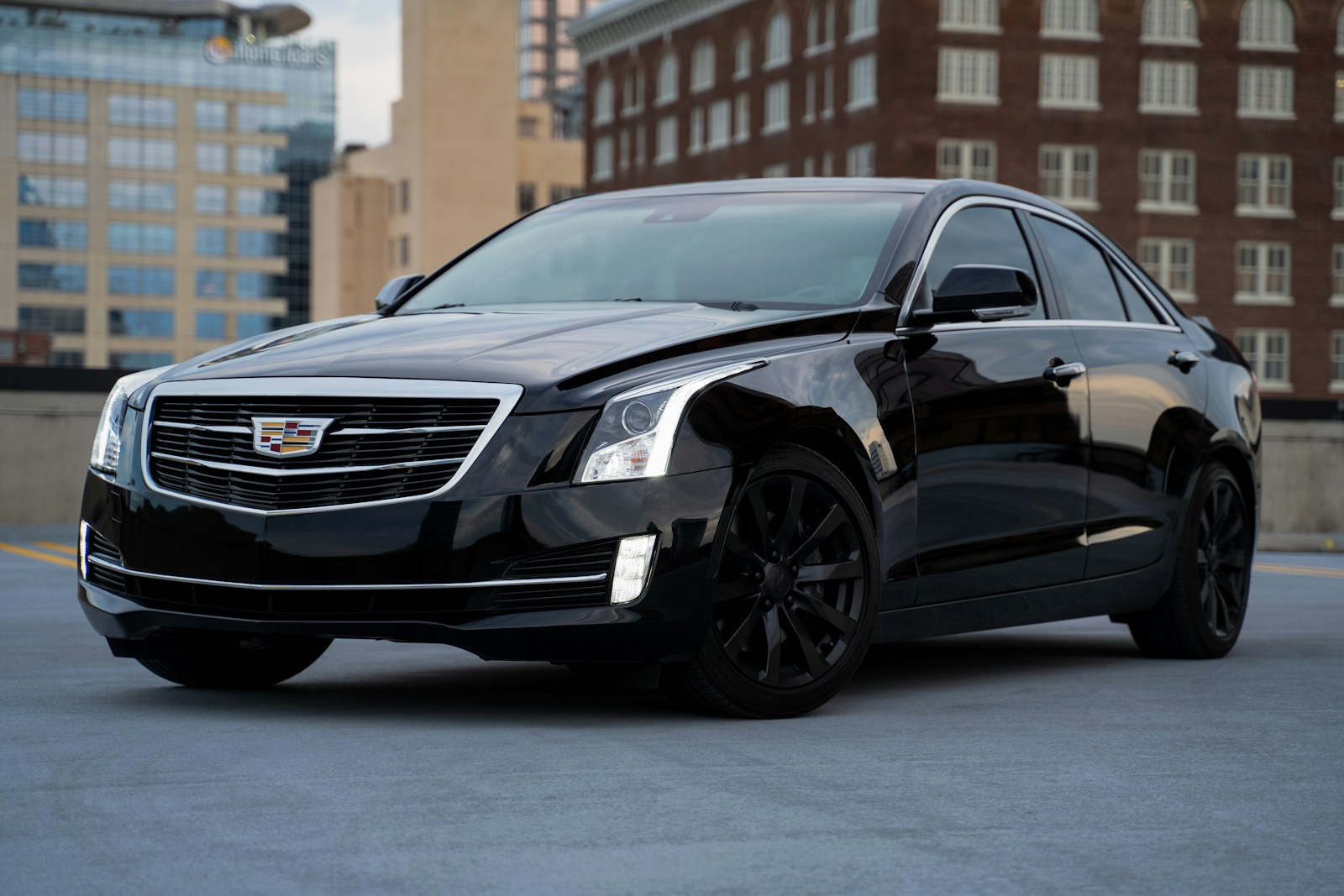
He bought the car two weeks after the breakup, which is the kind of timeline that makes you picture a guy scrolling through old photos at 2 a.m. with one hand and a financing calculator with the other. It wasn’t just any car, either. It was a glossy, low-slung luxury coupe in a color that looked expensive even under gas station lights, the kind of vehicle that seems designed to be noticed.
The breakup itself was painfully ordinary: three years together, a shared lease that turned into a tense handoff of keys and furniture, and a final conversation where she told him she’d been “feeling alone in this” for months. He heard it as “you’re not enough,” and he did what a lot of people do when their self-image takes a hit—he tried to buy a new one. Friends said he’d been strangely upbeat after signing the papers, like he’d won something.
For a minute, it worked. He pulled up to work with the windows down even when it was chilly, parked slightly crooked like he didn’t care, and made a point of clicking the key fob twice so the lights flashed. He’d always been a steady, sensible guy; now he was suddenly talking about “manifesting” and “leveling up,” as if a monthly payment could substitute for closure.
The purchase that felt like a mic drop
He didn’t buy it because he loved driving. He bought it because it looked like the version of him who didn’t get left. The dealership experience fed that perfectly: complimentary espresso, a salesperson who called him “boss,” and a polished delivery bay where they posed him next to the car for a photo he insisted he didn’t want but absolutely did.
When he posted it online, he kept the caption minimal—just the car and a single word like “finally.” The people who knew him could read the subtext anyway. This wasn’t a lifelong dream; it was a rebuttal.
His buddies played along at first. They asked for rides, took pictures leaning on the hood, told him it was “clean” and “mean,” and laughed when he started referring to the car by its model name like it was a new coworker. He’d grin too hard when strangers glanced over at stoplights, like attention was a form of pain relief.
The ex, according to mutual friends, didn’t react the way he hoped. No dramatic text, no late-night “I miss you,” not even an annoyed emoji. She just stayed quiet, which somehow made the car feel less like a win and more like a speech delivered to an empty room.
The little lies that come with a big payment
The first sign things were wobbling wasn’t mechanical—it was financial. He started turning down casual stuff he never used to skip, like splitting appetizers or going to concerts, blaming it on “being tired” or “trying to eat clean.” Meanwhile, the car got premium gas like it was a non-negotiable human right, and he’d stand there watching the numbers climb as if they were insulting him personally.
He also began doing this thing where he casually mentioned the car’s value in conversation, like he was reminding people it wasn’t just transportation, it was proof. Someone would say, “Nice ride,” and he’d respond with a full monologue about performance packages and German engineering. He wasn’t bragging exactly; he was building a case for why this was rational.
But the maintenance schedule didn’t care about his narrative. The car was used—low miles, “one owner,” the kind of listing that makes you think you’re being savvy instead of reckless. He’d glanced at the service history and decided it looked fine, which, in his head, meant any future problems would be minor and handled by his own competence.
Then a warning light flickered on during his commute, the type of alert that doesn’t tell you what’s wrong, only that something somewhere is unhappy. He did what people always do: he ignored it for a few days, turned the music up, and acted like he hadn’t noticed. The car still looked successful from the outside, and that was the whole point.
The repair shop that didn’t care about his feelings
Eventually the light stayed on, and the car developed a subtle shudder when idling, like it was clearing its throat. He finally booked an appointment at a specialist shop because he didn’t want to take “a car like this” to a regular place. That decision alone added a layer of cost, but he convinced himself it was safer, smarter—an investment in protecting the investment.
The waiting room had that curated vibe: minimalist furniture, a wall-mounted TV playing muted stock footage of cars on winding roads, a bowl of wrapped candies that looked like it had never been touched. He tried to look relaxed, scrolling his phone with the posture of someone who belongs there. Inside, though, he was doing math he didn’t want to do.
When the service advisor came out, he didn’t start with small talk. He had that practiced tone of someone who delivers bad news for a living: a failed sensor, an oil leak in a place that required a lot of labor to reach, and a recommendation to replace a related component “while we’re in there.” The quote landed on the counter like a brick.
It wasn’t just expensive. It was humiliatingly expensive, the kind of number that makes you blink because your brain thinks it misread a decimal. He actually laughed once—one sharp, involuntary sound—and then tried to recover by asking if there was a cheaper option, as if the advisor had simply chosen the premium misery package.
Watching his confidence drain in real time
The advisor, polite but unmoved, explained the difference between “can” and “should,” and pointed out that delaying could cause bigger damage. He listened, nodding, but his face tightened in a way that made it obvious he was imagining his bank account. He asked about payment plans, then quickly tried to phrase it like he was asking out of curiosity, not necessity.
He called a friend from the parking lot and tried to make it a joke. Something like, “Bro, you know how they say luxury is pain? They weren’t kidding.” The friend laughed at the right moments, but there was a pause when he mentioned the amount, the kind that says, oh, that’s not funny.
At some point, he texted his ex. Not directly about the car, but a vague, late-afternoon “hope you’re doing okay” that carried the scent of desperation. When she didn’t answer, he sat in the driver’s seat and stared at the stitched leather on the steering wheel like it had personally betrayed him.
What hit hardest wasn’t just the bill. It was the realization that this thing he’d bought to feel in control was now dictating his choices, his mood, his social life. He couldn’t posture his way out of it. You can’t “grindset” a busted part back into working condition.
The quiet fallout nobody posts about
He paid for the repair, because of course he did. Walking away would’ve meant admitting the whole purchase was a mistake, and he wasn’t ready to give anyone that satisfaction, including himself. But the money left a visible dent, and suddenly he was doing odd little austerity measures: skipping lunches out, selling a few things online, pretending he was “minimalist now.”
The car came back running smooth, but he drove it differently afterward. Less showy. More careful. The windows stayed up. The music wasn’t as loud. He’d park farther away from other cars, not out of pride anymore, but fear—fear of a scratch turning into another four-digit lesson.
Friends noticed the shift, because it’s hard not to. He stopped offering rides. He started making excuses when people suggested weekend trips. And when someone asked how he was doing—really doing—he’d default to talking about the car as if it was the main thing in his life, because admitting the breakup still hurt felt like losing twice.
What lingered wasn’t a neat resolution, just this awkward new reality where his “successful” purchase had become a monthly reminder of how reactive he’d been. The breakup still sat there, unresolved and sore, but now it had company: a machine in his driveway that looked like confidence and felt like a contract. And every time he heard a new noise while driving, he didn’t think about his ex—he thought about the next bill, and how many versions of himself he’d have to pretend to be to cover it.