
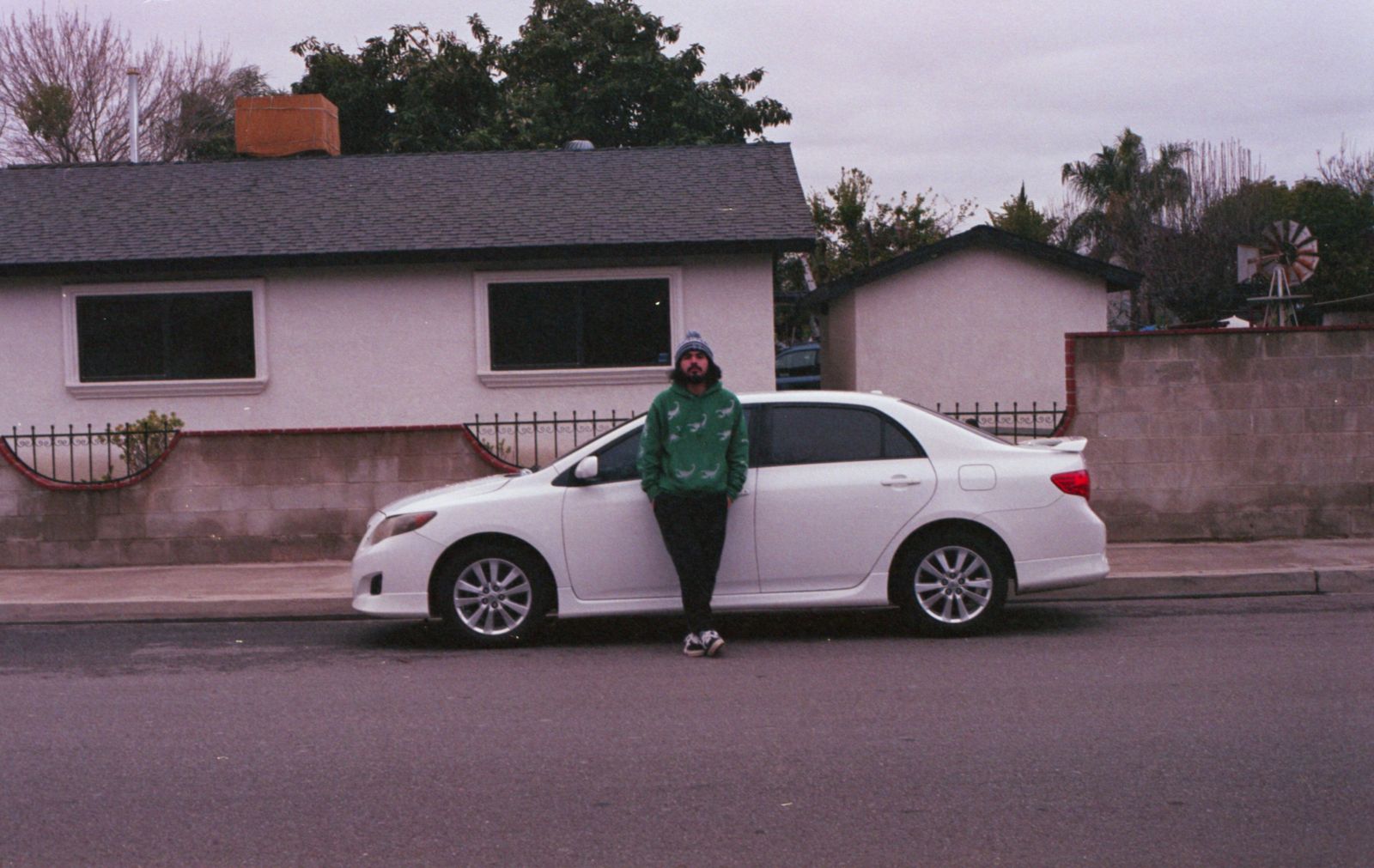

He’d only had the car a few months, still in that phase where he parked it far away from other people and wiped phantom dust off the hood with his sleeve. It was nothing exotic, just a nice newer sedan he was proud of, the kind of purchase that feels like proof you’re doing fine after a breakup. So when he walked out of his apartment building one weekday morning and saw long, looping scratches down the driver’s side, his brain did the thing where it refuses to believe what it’s seeing.
The marks weren’t subtle. They started near the headlight, ran across both doors, and ended in a jagged flourish over the rear panel like somebody signed their name with a key. He stood there staring, coffee cooling in his hand, replaying the last few days: where he parked, who he’d annoyed, whether he’d cut someone off and forgotten. Then the idea he didn’t want to think came slithering in anyway—his ex had been in the area.
They’d split a few weeks earlier, messy enough that friends were doing the awkward “I’m not taking sides” dance while clearly taking sides. She still had opinions about his “new life,” his “new car,” and his habit of acting calm in public while being furious in private. He didn’t have proof she’d done it, but the damage looked personal, not random vandalism.

The instant insurance call
Instead of texting her or calling the cops, he went straight into problem-solving mode. He took photos from every angle, filmed a slow walk-around for good measure, and called his insurance company right there in the parking lot. You could almost hear the gears clicking: get a claim started, get an estimate, get the car into a shop before the scratches start rusting.
He told the rep it looked like someone keyed it overnight, and he didn’t know who. That part was true enough—he didn’t know, he just suspected. The rep asked the usual questions, and he answered like someone who’d rehearsed being rational: where it was parked, whether there were cameras, whether he had any enemies, which he tried to laugh off.
By lunchtime he’d already found a body shop that could squeeze him in for an appraisal, the kind of place with fluorescent lights and a waiting room that smells like burnt coffee. The estimate came back high, because long scratches across multiple panels aren’t a quick buff-and-go situation. He paid his deductible, signed the paperwork, and left feeling annoyed but weirdly proud of how efficiently he’d handled it.
The ex shows up, and so does the tension
Later that evening, he got the kind of message that doesn’t start with “hi.” It was from his ex, asking why he’d “blocked her from everything” and accusing him of “telling people lies” about her. That alone was enough to make his stomach drop, because he hadn’t actually said anything publicly—just a couple of friends had seen the car and connected the dots themselves.
He replied with a photo of the damage and a simple, “Do you know anything about this?” He didn’t call her a liar or threaten her, which in hindsight almost made it worse. It framed the situation like a court exhibit, and she responded like she was on trial.
She denied it immediately, but not in a calm way. It was rapid-fire: she’d never do that, he was paranoid, he always needed a villain, and also, why was he making a big deal over “some scratches.” Then, in the same string of texts, she made a point of mentioning she’d been out with friends all night and had “proof.” It was the kind of overexplaining that doesn’t reassure anyone.
He didn’t have cameras and didn’t have witnesses, just a gnawing certainty. And he didn’t like the idea that he might be wrong, because being wrong would mean he’d basically accused her for nothing. So he did what people do when they’re unsure: he told a couple more friends, cautiously, that he thought she’d keyed it.
He gets ahead of the story—by setting himself on fire
This is where the plot swerves into something you can’t quite predict because it doesn’t make sense as a strategy. The next day, before the car was even repaired, he started telling people he’d actually done it himself. Not privately, not as a confession to one close friend, but in that semi-public way where you “clear something up” with whoever will listen.
He framed it like he was being noble. He said he didn’t want anyone blaming his ex, and he’d rather take the heat than let her reputation get dragged. The explanation he offered was that he “needed the money,” that insurance would pay out, and he’d planned to fix it cheaply and pocket the difference.
That’s the part that made everyone’s eyebrows climb. First, because he’d already filed the claim saying it was vandalism. Second, because he wasn’t talking about a hypothetical scam—he was describing it like an actual plan he’d already set in motion, casually, as if fraud is a budgeting hack.
Friends who’d been sympathetic 24 hours earlier suddenly didn’t know what to do with him. If he was lying now, then he’d thrown his ex under the bus for nothing. If he was telling the truth now, then he’d just admitted to committing insurance fraud, and he was doing it out loud to people who didn’t ask for that liability.
The group chat turns into a courtroom
Word spread in the friend group the way it always does: someone tries to clarify, someone else paraphrases badly, and suddenly there are multiple versions of the story bouncing around. One version had him heroically protecting his ex. Another had him panicking because she threatened to expose him. Another had him realizing there might actually be evidence she did it, and he wanted to muddy the waters.
His ex, meanwhile, grabbed onto his “I did it” line like it was a life raft. She started telling people he’d admitted it, that he was sick, that he’d tried to frame her, and that everyone owed her an apology for even thinking she’d do something like that. The speed at which she pivoted from denial to outrage made it feel less like vindication and more like an opportunity.
He didn’t help himself. He kept talking, elaborating on his own confession like he was trying to make it sound rational. He said things like, “Insurance companies scam us anyway,” and “It’s not like anyone gets hurt,” which is a sure way to make even your most chaotic friend stop laughing and start looking at you like you’re holding a live wire.
Someone finally asked the obvious: if he did it himself, why did it look like someone keying it in anger? He shrugged and said it was “easy to make it look real.” Another friend asked if he’d told the insurance company. He said no, not yet, but he “might,” depending on how things played out.
The awkward math of consequences
Once you say out loud that you committed fraud, you don’t get to decide how seriously everyone else takes it. A couple of people told him to stop talking, like, immediately. Others asked him if he was trying to get his claim denied or get himself in legal trouble, because the insurance company wasn’t a faceless villain—it was a file with his name on it.
He started backpedaling, but not cleanly. Now it was, “I didn’t actually do it, I just said that to get people off her back,” which made him sound manipulative in a whole new direction. That explanation also didn’t answer why he’d mentioned pocketing money, or why he’d said it with enough detail to feel rehearsed.
His ex took the backpedal as proof he was still trying to smear her. She kept pushing the line that he was unstable and vindictive, and she demanded he “fix what he said” to people. He did try, but every attempt sounded like another version of a lie: first she did it, then he did it, then nobody did it but also it’s already with insurance.
Meanwhile, the car sat in the body shop queue like a ticking clock. Once it got repaired, the paper trail would be complete, and the claim would become harder to walk back without looking like he was cleaning up a mess. He’d put himself in the perfect little trap: either he sticks with the story that implicates his ex, or he sticks with the story that implicates himself.
What made it messiest wasn’t just the scratched paint or the insurance paperwork. It was the way his “confession” turned every relationship around him into a loyalty test and a risk assessment at the same time. Some friends stopped responding entirely, not out of moral purity, but because they didn’t want to be involved with someone who’d casually treat truth like a lever.
And the ex, for all her righteous anger, didn’t come out looking clean either—because even if she didn’t key the car, she’d still enjoyed the chaos once it shifted in her favor. By the end of it, nobody was really debating the scratches anymore. They were debating what kind of person admits to damaging his own car for money while an insurance claim is already rolling, and whether that’s a desperate guy spiraling, a calculating liar, or someone who thought he could control the narrative and found out too late that narratives don’t come with an off switch.