
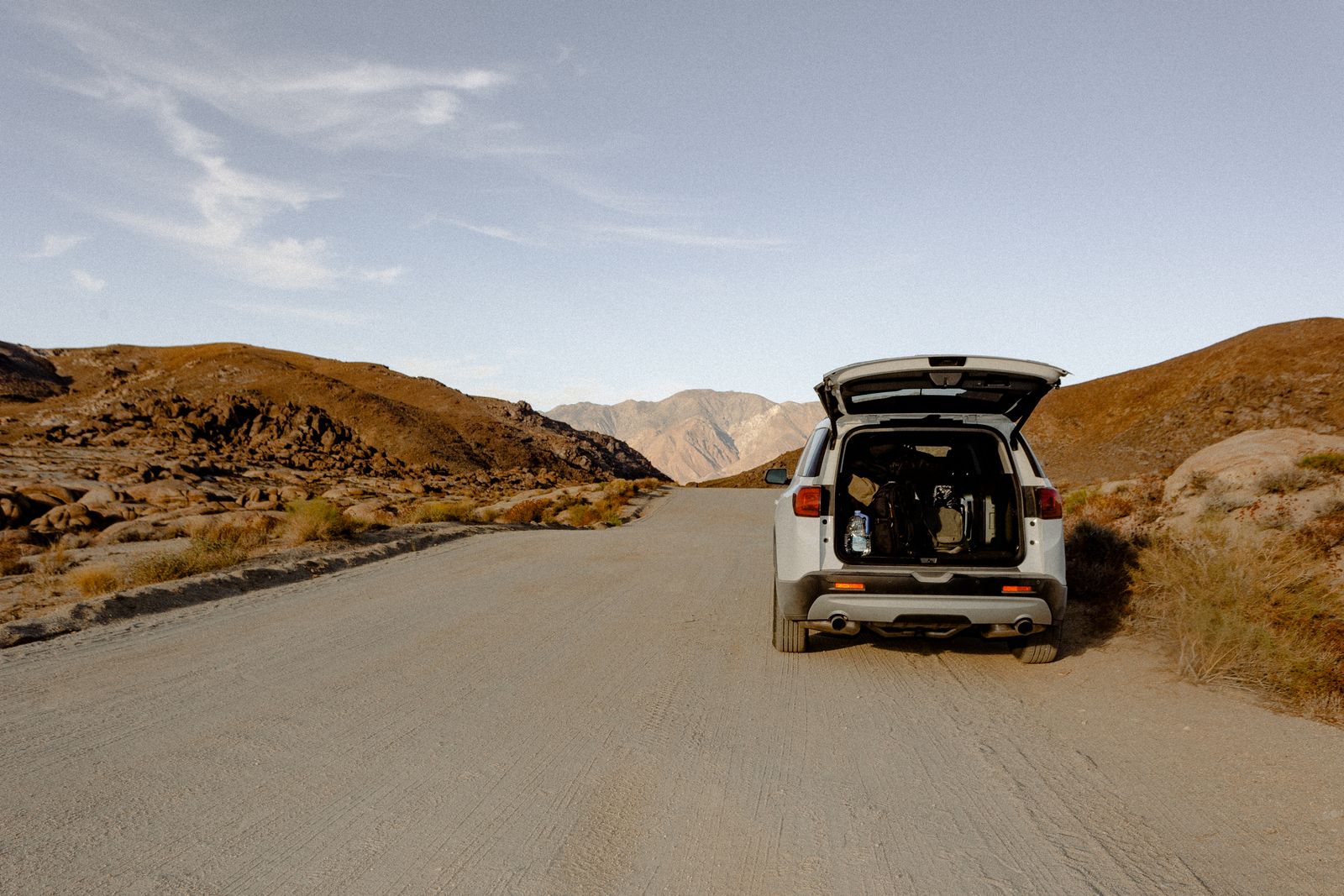

They were two states away when the SUV started doing that subtle-but-wrong thing cars do right before they ruin your day. Not a dramatic explosion, not smoke pouring out of the hood—just a weird shudder at highway speed, a blinking dash light, and that sickening feeling that every mile forward is also a mile deeper into trouble.
This was a family road trip, the kind with snacks wedged between seats, a cooler in the back, and kids who’d finally settled into that rare quiet where nobody’s asking “Are we there yet?” The parents had done the “responsible adult” checklist: newer-ish SUV, fresh oil change, and an extended warranty they’d bought specifically because they didn’t want some random breakdown turning into a financial crater. They’d joked about it when they signed the paperwork—“Now if it dies in the middle of nowhere, we’re covered.”
By the time they limped onto the shoulder, the joke wasn’t funny anymore. The hazard lights blinked in the late afternoon heat, semis whipped past close enough to rattle the door panels, and the mom was already doing that frantic mental math of towing, hotels, missed work, and how quickly “a few days away” could turn into a stranded mess.
The breakdown that didn’t feel like bad luck
They got it off the highway and into a small service plaza lot after a tow truck driver took pity and agreed to haul them a few miles instead of leaving them on the shoulder. The SUV had been making a grinding sound on acceleration, and then it started refusing to shift smoothly—like it couldn’t decide if it wanted to move forward or just sit down and quit.
The dad did the usual ritual: pop the hood, stare at the engine bay like it might confess, then close it again because modern vehicles don’t reward guessing. They called the warranty company from the tow truck’s cab, loudspeaker on, trying to sound calm while the driver listened like he was getting free entertainment.
The warranty rep asked for the VIN, mileage, and the name of a repair shop “in the area.” That phrase—“in the area”—landed like an insult, because the area was basically unfamiliar exit ramps and a handful of chains the family didn’t know if they could trust. Still, the rep sounded reassuring, telling them to pick a certified shop and that “once diagnostics confirm a covered failure, we’ll proceed with authorization.”
The shop’s diagnosis: one part, one big bill
They ended up at a local transmission shop because the nearest dealership was booked out for days and the tow driver said, in the way tow drivers do, “If it’s shifting weird, don’t mess around.” The shop took the SUV in late, did a scan, and called them the next morning with a tone that was friendly but already bracing them.
It wasn’t “a sensor.” It wasn’t “a loose connector.” It was a failed torque converter—one of those parts that sounds like a Transformers character until you’re staring at a quote that reads like a mortgage payment. The shop explained it plainly: the converter had come apart internally, contamination likely spread through the system, and to do it right they’d need to pull the transmission, flush lines, replace fluid, and install the converter.
The dad asked the obvious question: “Is that covered?” The shop didn’t promise anything, because they’d clearly been burned before, but they said it was a common warranty claim and they’d deal directly with the warranty company. They asked for the contract number, pulled up the policy, and said they’d submit the estimate and wait for an adjuster.
Meanwhile, the family was in that awful in-between stage of travel purgatory. They got a motel with a pool that smelled like chlorine and regret, tried to keep the kids entertained with vending machine snacks, and rebooked their plans for the third time. Everyone was cranky in different ways—kids because the trip was ruined, parents because every hour felt expensive.
“Covered,” then not covered, then… excluded
The warranty company sent an inspector two days later, which sounded promising at first. The shop owner walked the inspector through the findings, showed metal shavings in the fluid, explained the labor, and waited for the familiar approval code that would kick the whole thing into motion.
Instead, the warranty rep called the dad with that careful, scripted softness that means trouble. They said the claim was being denied because the torque converter was “excluded.” Not the transmission as a whole, not a wear item like brake pads—specifically the part that had failed, the one part you’d think an “extended powertrain warranty” would cover with a straight face.
The dad asked them to repeat it, because it didn’t compute. The rep did, then started reading from the contract in that way where you can hear the page turning even over the phone: the policy covered “internally lubricated parts of the transmission,” but in a separate section the torque converter was listed under “components not covered” unless failure was caused by another covered component.
So, according to the warranty company’s logic, if the transmission failed and took the torque converter with it, they might pay. But if the torque converter failed first and ruined the transmission, they wouldn’t. It was the same mechanical soup either way, but the order of failure was now a legal strategy.
The shop owner, now looped in on speakerphone, asked a blunt question: “So you’re saying the only failed part is excluded, but the collateral damage could be covered if we prove it happened in the right order?” The rep didn’t like that framing and tried to steer it back to policy language. The shop owner didn’t let them, and you could almost hear the smile fade on the other end of the line.
The escalation: paperwork, hold music, and a car hostage situation
Now the family had a dead SUV sitting on a lift and a bill that could easily hit several thousand dollars if they authorized the repair out of pocket. The warranty company offered what they called “goodwill assistance,” which was a small discount on labor if the shop agreed to a lower rate and used a specific converter. The shop refused, because they weren’t about to warranty a warranty repair with bargain parts the warranty company liked.
The dad started doing what people do when they realize they’re being boxed in by fine print: he pulled up the contract PDF and read it like it was a murder mystery. He found the torque converter exclusion, sure, but he also found a section that seemed to contradict it, listing “torque converter and related components” under transmission coverage in a different table. The language looked like it had been written by two different people who didn’t speak to each other.
He called back, asked to speak to a supervisor, then waited through a carousel of transfers where each person asked for the VIN again like it was a password. The supervisor finally got on, listened, and delivered the same answer with a different tone: “I understand your frustration, but coverage is based on the terms you agreed to.” That sentence landed like a slap, because it implied this was a comprehension issue, not a gotcha.
At one point, the mom asked if they could at least get a rental. The warranty company said rental reimbursement only applied after a covered repair was authorized. Since this repair wasn’t covered, they weren’t eligible. It was a neat little loop: no approval, no rental; no rental, no way to get home without paying for the repair.
The shop owner offered a grim option: they could reassemble it enough to tow, but the transmission was contaminated and driving it would be gambling with a complete failure on the road. The family pictured themselves breaking down again, maybe in an even worse spot, with the same policy and a brand-new batch of stress.
Pay now, fight later, and the part nobody wants to admit
They ended up making the kind of decision that feels like swallowing a rock. The dad put part of the bill on a credit card, the mom called family back home to see if anyone could spot them the rest, and they authorized the repair just to escape the motel and get their kids back to something resembling normal life.
While the shop worked, the dad started building a paper trail like a person preparing for war. He asked for the inspector’s report, the diagnostic notes, photos of the failed parts, and the fluid contamination evidence. He submitted an appeal to the warranty company with screenshots of their own contract tables and asked them—politely, repeatedly—to explain how the same component could be both covered and excluded depending on which page you looked at.
The warranty company responded with a form-letter vibe: they upheld the denial, citing the exclusion clause. They didn’t address the contradictory table directly. They didn’t explain the “caused by another covered component” language beyond repeating that the torque converter was the initiating failure, therefore excluded.
And that’s where the tension sat, unresolved in the most infuriating way. The SUV was eventually fixed and drivable, but the family was left with a repaired vehicle, a giant balance, and a warranty contract that now felt like a decorative document—something you pay for so you can be told, in a calm voice and perfect sentences, that the exact moment you needed it was always going to be the moment it didn’t apply.