
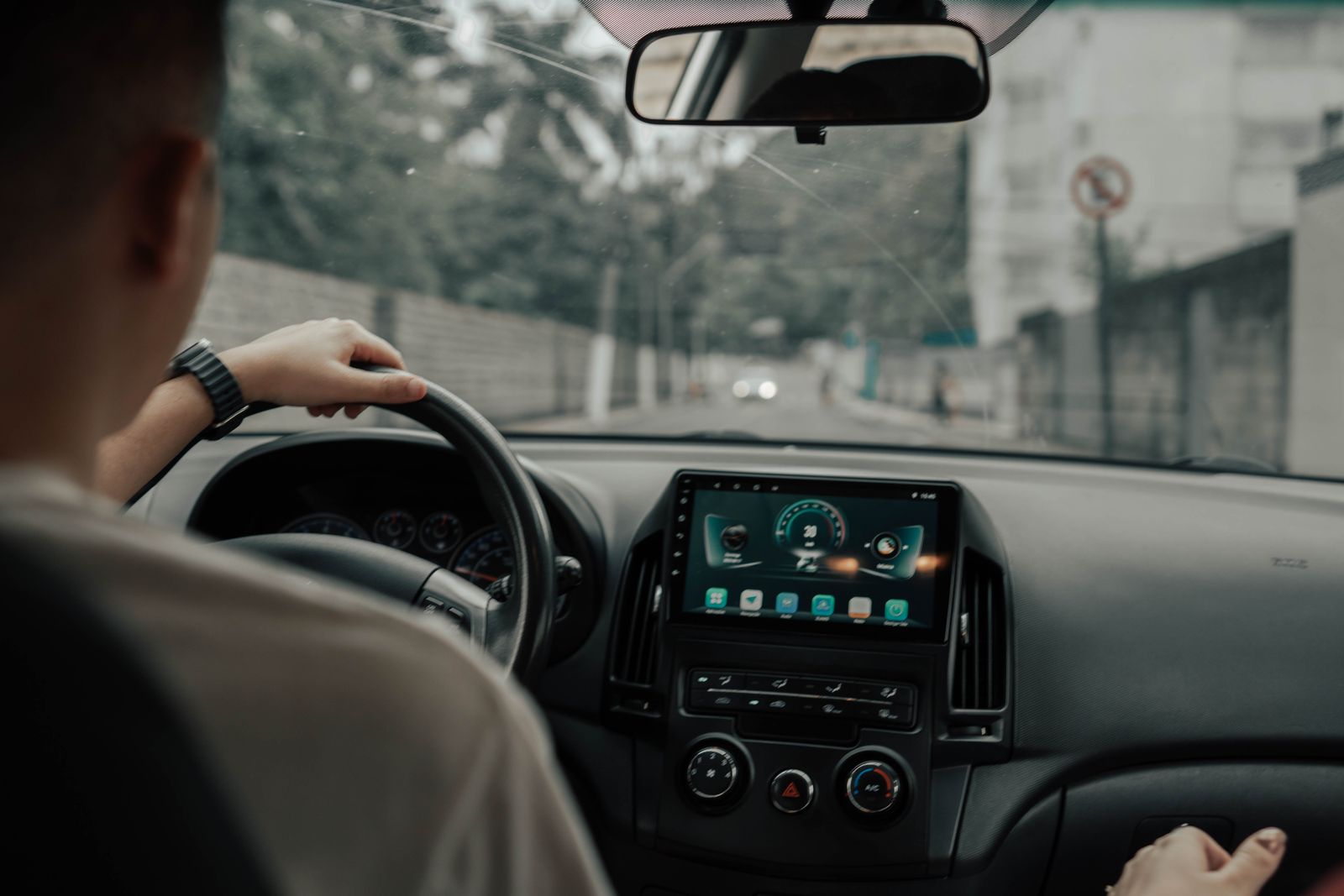

It started as one of those tiny marital quirks you don’t even bother fighting about because it sounds too stupid out loud. He’d be home all evening, half-watching a show, half-scrolling his phone, and then around 11:30 he’d slap his pockets like he just remembered something urgent. “I’m gonna run out for gas,” he’d say, already halfway to the garage.
His wife didn’t love it, but she didn’t immediately pin it as a red flag either. Their town had a couple 24-hour stations, and he’d always been the “better to keep it topped off” type. Still, the timing was strange—always late, always sudden, always with that same casual tone that shut down questions without technically starting a fight.
Then the charges started showing up in their bank app: $6.13 at the pump. $3.42 at the pump. Sometimes nothing at all, despite him coming back smelling like cold night air and convenience-store coffee. When she finally asked why he was buying so little gas so often, he laughed it off like she was being cute. “Just enough to get through the week,” he said, and kissed her forehead like that settled it.
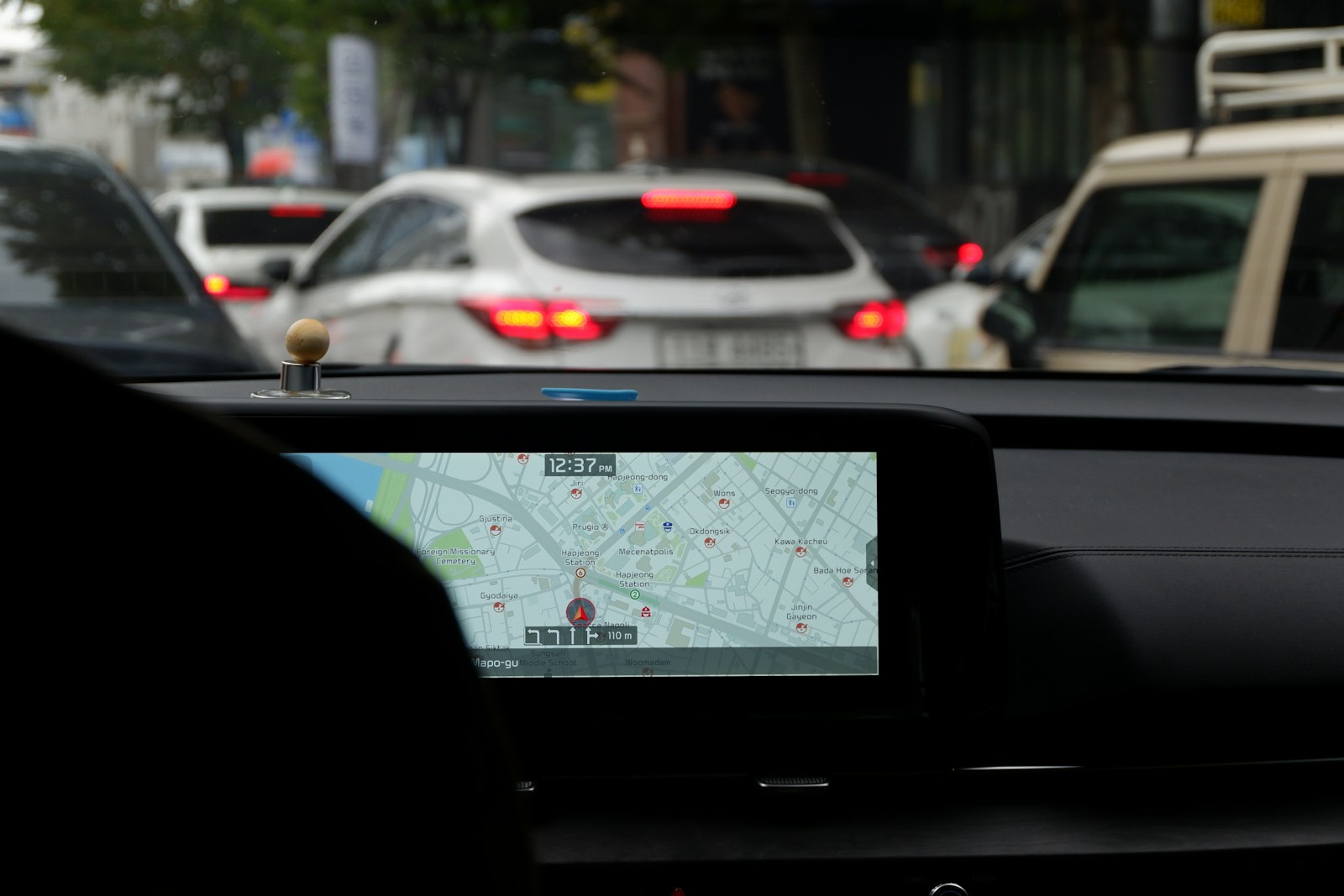
The first time she checked the car’s location
The family car wasn’t fancy, but it was new enough to have an app. She’d used it before to find it in a crowded parking lot and to double-check if it was locked. One night, lying awake with that familiar low-level annoyance—why is he leaving now?—she opened the app and clicked the location tab.
The pin wasn’t at the gas station near their house. It wasn’t at any gas station. It was sitting behind a strip mall across town, in the dark pocket where the dumpsters and delivery doors were, like the car was trying to hide from streetlights.
She told herself there was a reasonable explanation because that’s what people do when they love someone and don’t want to detonate their own life. Maybe he’d taken a call. Maybe the station was busy. Maybe the app was wrong. But the longer she stared, the more the pin didn’t move, and the more it felt like she was watching someone lie in real time.
“Why were you over there?”
When he came home, he didn’t look guilty in the dramatic way movies teach you to expect. He looked normal—mildly tired, a little cold, slightly irritated at nothing. He set his keys down too carefully, as if placing them quietly could erase the noise of the garage door.
She waited until he’d taken off his shoes and started rummaging in the fridge like he hadn’t just made a whole extra trip at midnight. “Did you end up going to the station by the strip mall?” she asked, keeping her voice light on purpose. He didn’t flinch at first; he just said, “No, why?”
So she told him: the app shows where the car is. She wasn’t yelling. She wasn’t accusing. She just said it like it was a fact, because it was. His face did something small and quick—like a momentary dropout in a video call—and then he shrugged too hard.
“I must’ve turned around,” he said. “That station was packed. I went somewhere else.” He said it fast, and he said it like she was being ridiculous for paying attention. When she asked which station, he said he couldn’t remember, which somehow sounded worse than any specific answer could’ve.
They went to bed with that new kind of silence that feels like a room has been rearranged while you weren’t looking. She lay there and listened to him breathe, thinking about how the pin had sat in the same spot for almost twenty minutes. She wasn’t even thinking about cheating yet; she was thinking about why he needed a lie at all.
The location history that didn’t match the story
The next morning, after he left for work, she opened the app again and dug deeper. There was a location history feature she hadn’t paid attention to before—little breadcrumbs of where the car had been and when. It wasn’t a perfect record, but it was good enough to show a pattern.
Over the last month, his “gas runs” weren’t random. The car kept appearing at the same places: behind that strip mall, an industrial lot near the river, and once—twice—on a dead-end street in a quiet neighborhood she didn’t recognize. It wasn’t the kind of route you take if you’re hunting for the cheapest pump.
There were also gaps. Nights where he said he went out, but the car never moved. Nights where the car moved, but there was no corresponding gas charge. The more she looked, the more the story stopped being about fuel and started being about what he was doing when nobody was watching.
She did what a lot of people do when their brain is trying to protect them from the obvious conclusion: she started trying to disprove her own fear. She searched the strip mall address. There was a 24-hour gym there, a pharmacy, a couple closed restaurants, a liquor store. Nothing that explained the back-lot pin at midnight, unless your explanation involved meeting someone who didn’t want to be seen.
She followed the pin and found the wrong kind of proof
On the third night after she checked the app, he did it again. Same routine, same tone. “I’m gonna grab gas,” he said, already reaching for his jacket. She said, “Okay,” and smiled like she believed him, because she needed him to keep being predictable.
The moment the garage door closed behind him, she opened the app and watched the dot crawl away from their house. It didn’t go toward any of the stations near the highway. It went straight to the strip mall, straight to the back, and then it stopped.
She didn’t call him. She didn’t text. She grabbed her keys, drove her own car, and parked across the lot where she could see the service road without pulling into it. She sat with the engine off, hands tight on the steering wheel, feeling ridiculous until she didn’t.
The family car was there, angled like it had backed in quickly. She could see her husband’s silhouette inside, head bent forward like he was looking at something in his lap. Then another vehicle rolled in—an older sedan, headlights off for the last stretch—and parked beside him close enough that doors would’ve been hard to open.
She didn’t get out. She didn’t charge over and fling the door open. She stayed in her seat because some part of her knew that whatever this was, it wasn’t going to be a clean, explainable thing. The sedan’s passenger window lowered a few inches. Her husband leaned toward it, and the two silhouettes moved in that quick, practiced way of people who’ve done this before.
At first she thought: drugs. The word landed in her mind like a brick, heavy and humiliating and somehow more plausible than an affair. It would explain the tiny gas purchases. It would explain the secrecy, the late-night timing, the money that didn’t line up. It would explain why he always came home wired but pretending he wasn’t.
Then she saw something that made her stomach turn in a different direction. A plastic tote in the back seat, the kind you’d use for tools or sports gear, got lifted and shifted. The sedan’s trunk popped for a second—just long enough for a swap—and closed again. Not a small handoff, not a little baggie, but a whole container like they were moving something that needed to stay covered.
The moment it stopped being “marriage drama”
She drove home before he did, because she didn’t trust herself not to do something that would tip him off. She sat on the couch with all the lights off and the app open on her phone, watching the dot stay put, then move, then return. When he walked in, he was too cheerful, and it sounded like a mask snapping into place.
“See? Quick trip,” he said, holding up a receipt like a magic trick. She noticed his hand was shaking just slightly, the way it does when someone’s adrenaline is still in their bloodstream. The receipt showed a small gas purchase at a station nowhere near the strip mall, time-stamped in a window that could’ve fit a detour if you didn’t look too closely.
She asked him to sit down. Her voice came out flatter than she expected, like she was reading from a script. “I know you’re not just getting gas,” she said, and watched his face for that same tiny glitch.
He tried to laugh first. Then he tried to get angry. When neither worked, he went quiet in a way that felt rehearsed, like he’d practiced silence for this exact moment. “You followed me?” he asked, as if that was the crime worth naming.
That’s when she said what she’d been circling all night without daring to say it. “What are you moving in the car?” She didn’t say drugs. She didn’t say money. She didn’t say the darker things her imagination had started to offer up, uninvited. She just asked about the tote.
He stood up so fast his chair scraped, and for a second she thought he might grab her phone. Instead, he paced once, ran a hand through his hair, and said, “You’re making this into something it’s not.” It was a ridiculous line to use while sweating through your sweatshirt at 12:15 a.m.
She told him she’d seen another car. She told him she’d seen the swap. And then she told him, calmly, that if he didn’t explain it right now, she was going to the police—not as revenge, not to “win” a marriage fight, but because she didn’t know what she was sleeping next to anymore. The word “police” changed the air in the room. His eyes flicked toward the garage door like he was measuring distance.
He didn’t confess to anything clean. He didn’t say, “Yes, I’m dealing,” or “Yes, I’m cheating,” or “Yes, I’m in trouble.” He said fragments: a friend from work, a “favor,” a “one-time thing” that sounded like it had happened every week for a month. He kept trying to make it smaller with his words, but he couldn’t make the tote smaller in her memory.
By morning, she had the location history screenshotted and saved somewhere he couldn’t reach. She had the bank statements pulled up, every weird little purchase highlighted like it mattered, because now it might. And she had a husband acting like a man who’d been caught shoplifting, not like someone whose late-night routine had started to resemble a transaction.
The marriage didn’t explode in one clean argument; it curdled. He went to work like normal, but his texts got weird—too many check-ins, too much “you okay?”—like he was trying to monitor her. She started looking at every ordinary object in their house with a new suspicion, wondering what else had been used as cover. The last thing hanging between them wasn’t proof of what he’d done; it was the fact that she’d seen just enough to know she should be scared, and not enough to know exactly what she was supposed to do next.