

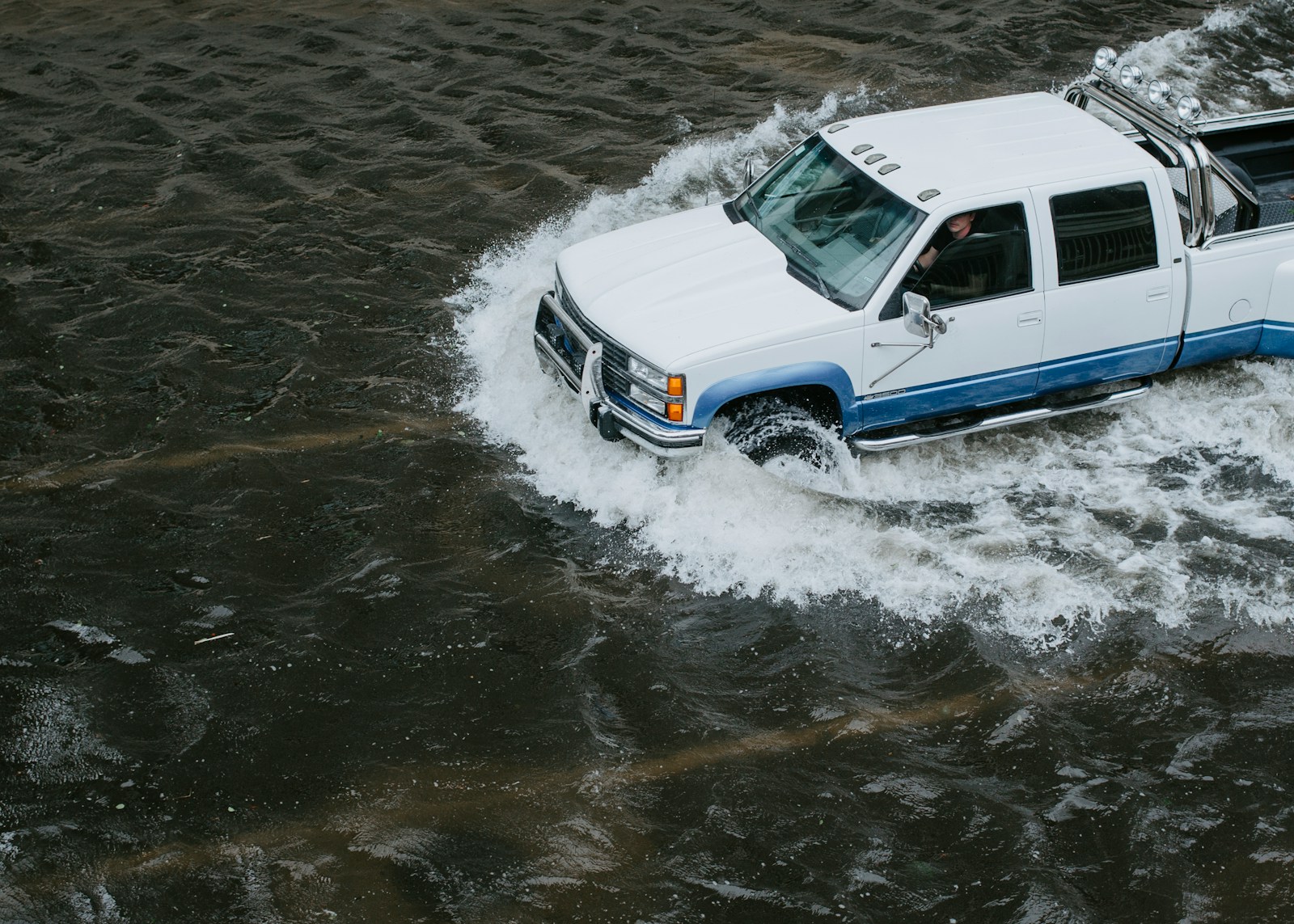
He bought the truck because it looked like an apology for every bad deal he’d ever made. Clean paint, straight body lines, a dash that wasn’t cracked to death, and a seller who had that calm, practiced confidence of someone who’s sold a lot of vehicles out of his driveway.
The listing was full of the right words: “garage kept,” “no rust,” “mechanically solid,” and, in all caps like it had its own seatbelt, “NEVER FLOODED.” The buyer—Evan, mid-30s, the kind of guy who keeps a flashlight and an OBD reader in his backpack—still asked the question out loud, just to see the reaction.
The seller didn’t even blink. Never flooded, never had standing water, never even been driven through “anything crazy,” he said, smiling like the question was almost insulting. Evan nodded, did the walkaround, and tried not to look too impressed by how normal everything seemed.
The deal that felt a little too easy
Evan took his time with the inspection because he’d learned the hard way that “clean” can be a performance. He checked the wheel wells, peeked under the bed, ran his fingers along bolts to see if they’d been freshly turned, and lifted the carpet edges where he could without being obvious. Everything smelled like generic interior cleaner and that faint sweetness you get from those hanging air fresheners people swear they can’t smell anymore.
The test drive was uneventful in the best way. The transmission shifted smoothly, the steering didn’t wander, and the brakes didn’t pulse like a bad heartbeat. When he popped the hood afterward, the engine bay looked like it had been wiped down, but not so aggressively that it screamed “I’m hiding something.”
They did the small talk dance while the seller “looked for the title.” Evan asked about maintenance and got a neat stack of receipts that felt reassuring, even if they were suspiciously tidy for a truck with miles on it. When Evan asked again, casually, if it had ever been in a flood, the seller actually laughed and said, “Man, no. Not even close.”
Evan handed over the cash and drove home with that buzzy, pleased feeling you get when a big purchase doesn’t immediately go sideways. He texted a friend a picture of the truck in his driveway and got back the usual replies about finally joining the grown-up club. The first day, it just felt like a win.
The first hot day and the smell that wouldn’t stay buried
The problem didn’t show up until the weather turned. A couple days after he bought it, the temperature jumped into the high 80s, and Evan parked the truck in direct sun while he ran errands. When he came back and opened the driver’s door, the cab exhaled a warm, wet stench that made him pause with one foot still on the pavement.
It wasn’t the normal “old vehicle” smell or leftover smoke or spilled coffee. It was swampy—like pond water and mildew and something organic that had never fully dried. The kind of smell that doesn’t just sit in the air; it clings to the back of your throat.
He shut the door, opened it again like maybe he’d imagined it, and got hit with the same wave. The air freshener, whatever brand-new scent it had been masking things with, suddenly felt like someone had sprayed cologne on a wet towel. Evan drove home with the windows down, trying not to breathe too deeply.
That night he went back out with a flashlight and started doing the inspection he wished he’d done at the seller’s place. He pressed down on the carpet with his palm and didn’t feel obvious dampness, but it had that slightly spongy give that made his stomach tighten. He stuck his nose near the floorboard and the smell was stronger, like the source was hiding right under the surface.
He starts pulling things apart, and the truck starts confessing
The next day he pulled the floor mats and found silt in places that shouldn’t collect silt. Not a lot—just a fine grit tucked into the corners by the seat rails and under the plastic trim, like sand that’s been rinsed but not removed. The bolts holding the front seats down had a faint orange bloom around the edges, too, the kind of rust that shows up when water’s been there and then evaporated.
He unhooked the battery, loosened the seat bolts, and leaned the seat back enough to peel the carpet. Underneath, the padding was a different story. It wasn’t dripping wet, but it had the look of something that had been soaked and dried wrong—stained in uneven patches, stiff in spots, and smelling like a basement that floods every spring.
Evan found more clues the deeper he went. The metal floor pan had little water lines and speckled residue near the low points, like it had held shallow water at some point. A couple wiring connectors under the dash had that chalky green corrosion on the pins, the kind you don’t get from spilled soda.
He sat back on his heels in the driveway, staring into the gutted cab, trying to decide if he was being paranoid or if the truck was telling him the truth in a language the seller didn’t want to translate. The smell was worse with everything open, like disturbing it had stirred up whatever had been sleeping down there. It wasn’t just “a wet dog smell,” it was biology.
The seller’s story starts changing in real time
Evan called the seller and kept his voice even, the way you do when you’re trying to keep a conversation from turning into a fight. He mentioned the odor on hot days, the padding, the corrosion, the silt. There was a long pause, and then the seller sighed like Evan had just accused him of something personal.
“It’s not flooded,” the seller said, sharper now. He suggested maybe the previous owner spilled something, maybe the truck sat with the windows cracked in the rain, maybe Evan was overreacting because older vehicles smell “different.” When Evan said he’d found residue under the carpet and rust around the seat bolts, the seller switched tactics and started asking questions instead.
Where did Evan park it? Did he leave the windows down? Did he take it through a car wash with the doors open? The tone wasn’t curious; it was defensive, like the seller was trying to build a narrative in real time that didn’t include the words “flood” or “water damage.”
Evan reminded him, politely, that the smell only showed up when the cab got hot, like something trapped in the insulation was reactivating. That’s when the seller offered the first tiny concession, the kind that’s meant to sound harmless: there had been “some water” once, he said, but it was from a “big storm” and it “didn’t get inside like that.” Evan could hear the seller doing math in his head, trying to figure out how much he could admit without admitting anything.
Evan asked if the seller had ever replaced the carpet or had it detailed. The seller hesitated again, then said he’d had it “cleaned up” before listing it, like that explained why it smelled like a marsh when it warmed up. He ended the call with, “Look man, you bought it as-is,” said in a way that landed like a door being shut.
The receipts, the title, and the ugly little details
Evan did what people do when a deal starts rotting from the inside out: he started digging. He ran a vehicle history report, even though he’d told himself he didn’t need to because the seller seemed straightforward and the truck looked clean. The report didn’t scream FLOOD in big letters, but it did show a gap in registration, a move across states, and an insurance claim labeled vaguely enough to be meaningless.
He called a local detailer and described the smell. The guy on the phone didn’t even let him finish before asking, “It get worse in heat?” Then came the list: pull seats, pull carpet, replace padding, ozone treatment, maybe replace duct insulation if the HVAC got contaminated. It wasn’t a miracle cleaning; it was a teardown, and the estimate sounded like punishment.
Evan took it to a mechanic friend who did collision work on the side. The friend didn’t pretend to be surprised; he just started pointing with a screwdriver. Rust on hardware that should’ve been clean, corrosion on connectors, a faint water mark line in a hidden seam. “Could be flood,” the friend said, “could be it sat in water for a day. Either way, it’s been wet in a way you don’t want.”
Then there was the title situation. The seller had signed everything correctly, but Evan noticed the seller’s name wasn’t on the oldest paperwork in that tidy receipt stack. It looked like the seller had owned it briefly, flipping it, which isn’t illegal but suddenly made the confidence and rehearsed answers feel less charming. “Never flooded” started sounding like a phrase he’d practiced the way you practice a lie you plan to tell a lot.
The standoff: “Bring it back” vs. “You bought it”
Evan tried one more time, not to win an argument, but to see if the seller would do the right thing when confronted with specifics. He offered to bring the truck by so the seller could smell it himself on a hot afternoon, like a gross little field test. The seller refused and said he didn’t want Evan “tearing it apart” and then blaming him for what Evan found.
That’s when Evan realized the seller wasn’t going to negotiate in good faith. If Evan pushed for a refund, it would turn into a screaming match about as-is sales and “you must’ve done something.” If Evan threatened small claims court, the seller would probably stop answering altogether, betting Evan wouldn’t want to spend months chasing a guy who might not even have real assets to go after.
So Evan did the depressing thing: he priced out the fixes and tried to decide which kind of loss he could live with. He could eat the cost and keep the truck, rebuilding the interior like a restoration project he never asked for. He could try to sell it, disclosing what he’d found and taking a big hit, basically passing the pain forward with honesty instead of perfume.
On the next hot day, the smell came back like it had been waiting, blooming through the vents and the seams and the foam padding. It didn’t matter how clean the seats looked or how shiny the paint was; the truck had a secret it couldn’t stop leaking. And the most maddening part was how the seller’s words still hovered over the whole thing—“never flooded”—like Evan was the crazy one for trusting his own nose.