

She found it the way people always find the thing that changes the whole week: by accident, when she wasn’t looking for anything at all.
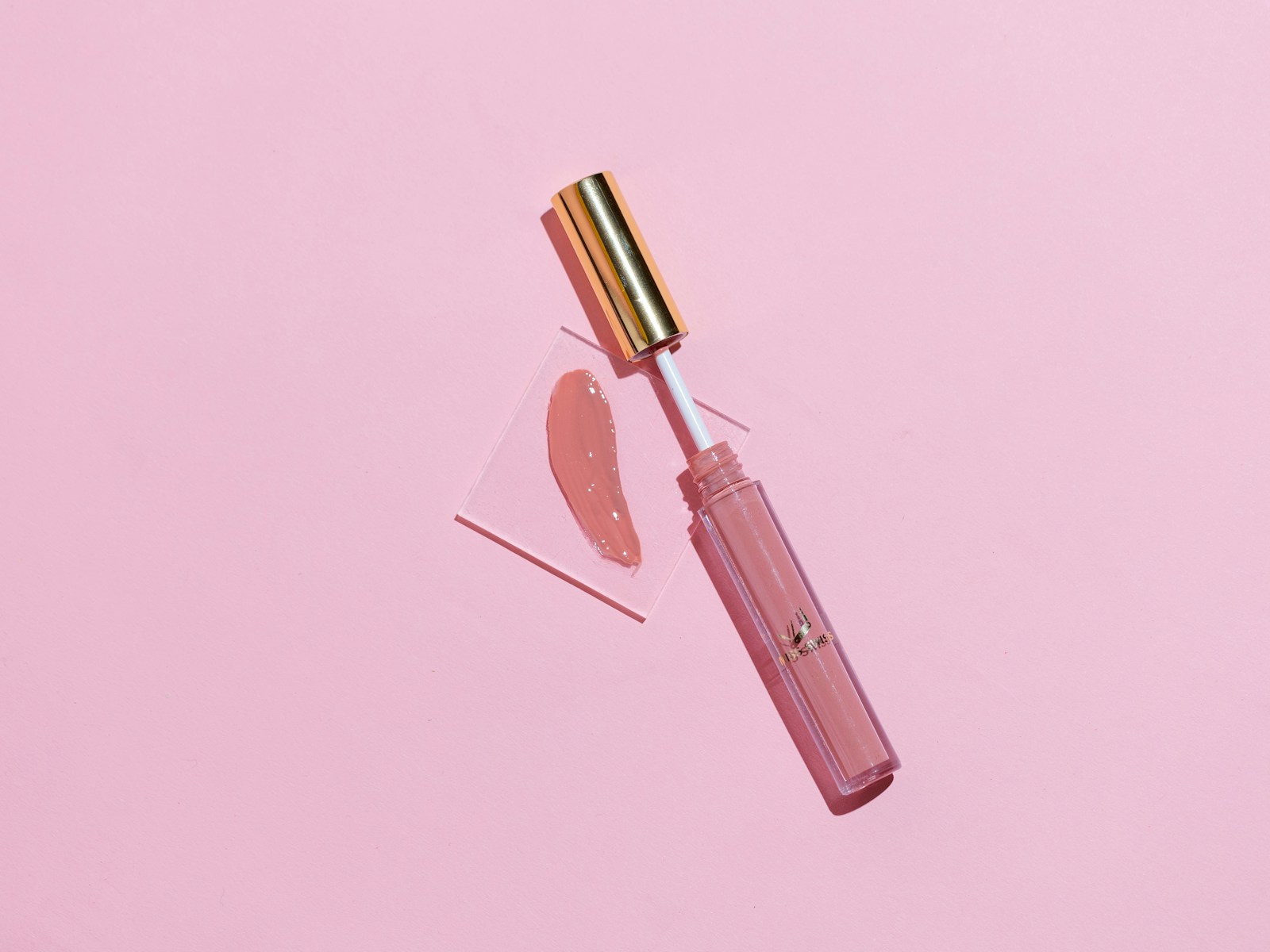
It was a lip gloss—one of those newer tubes with a fat doe-foot applicator—wedged down between the passenger seat and the center console of their car. Not in the open like it had fallen out yesterday, either. It was tucked deep enough that you only hit it when you’re digging for a dropped earbud or the parking garage ticket you swear you just had.
Her first reaction wasn’t even anger. It was that quick little inventory every long-term couple does without thinking: Is this mine? She knew her own stuff. Her lip products lived in a small graveyard of pouches that migrated from bag to bag, and none of them were that shade—bright, candy-pink with glitter that would’ve looked ridiculous on her at work. It also didn’t make sense as a “free sample” or something. It looked used.
The tiny object that made the car feel unfamiliar
She sat there with it in her hand, turning it under the dome light, trying to make it make sense. Maybe she’d had a friend in the car? Maybe her sister borrowed it months ago and forgot it? But she couldn’t remember anyone sitting in the passenger seat lately besides her husband, and he wasn’t exactly the kind of guy who offered rides to people on a whim.
It wasn’t just the lip gloss, either. Once she noticed it, the whole passenger side started feeling… off. The seat was pushed back a little farther than she usually had it, and there were faint scuffs on the door pocket like someone had been digging around for something. Individually, all of it was explainable; together, it made the car feel like it had belonged to somebody else for an afternoon.
When her husband got home, she didn’t come in hot. She did the calm thing people do when they want to give the other person a clean exit. She held it up and asked, casually, “Hey, whose is this?”
He didn’t even look at it properly. He did a quick glance, a small shrug, and said something like, “No idea. Must’ve been in the car when we bought it,” as if they hadn’t owned the car long enough for that excuse to expire in the first month. Then he moved straight into the phase where he’s busy with something else—washing his hands, checking his phone, anything that ends the conversation.
His explanation kept changing by a few inches
That’s what got her. Not the denial—everyone denies first—but the way he denied it, like he needed it to be boring. He asked why she was “making a big deal” out of it before she’d even made a big deal. Then he suggested maybe it was from the dealership, like some random employee just left a used lip gloss in their car as part of the service.
She tried a different angle. “Okay,” she said, “so when did you have it serviced last?” Because she remembered the last time she’d been involved: oil change, quick rotation, her sitting in the waiting room with bad coffee. That hadn’t been recently.
He said he’d taken it in “a few days ago,” during his lunch break. He said it like it was normal and he’d mentioned it already, which is a classic move when you’re trying to retrofit a timeline. She asked which place, and he gave the name of their usual dealer service department—convenient, familiar, boring.
She nodded like she believed him, but the math in her head didn’t relax. Their dealer was across town, and his lunch breaks weren’t long. Also, if the car had been in service a few days ago, there should’ve been a receipt somewhere. He was the type who stuffed papers in the glove box and forgot them until the car basically became a filing cabinet.
The glove box became a time machine
Later, when he went to shower, she went to the car with a set of keys and that uncomfortable focus people get when they’re about to snoop even though they’ve spent their whole adulthood insisting they’re not “a snooper.” The glove box opened with that familiar slow drop, and there it all was: registration, an old fast food receipt, a service reminder sticker, and a folded dealer invoice that looked new enough to still be stiff.
She expected to see the usual location on it—the dealership they used, the one near the highway where they’d bought the car. Instead, the header had a different address. Not just a different branch. A different side of the city entirely.
At first she wondered if it was a printing thing, like the company’s corporate address, but the details didn’t read that way. It listed a service department location, a service advisor name, a bay number, and a check-in time. The kind of receipt that basically says, Here is where your car physically was, and here is when.
And that was the problem: the place on the receipt wasn’t “across town” in a vague way. It was across town in a specific, inconvenient way—near an area he never had a reason to be in. Not near his office. Not near their gym. Not near a friend’s house. It was near a cluster of apartments and restaurants she only associated with a certain kind of “I’m just running errands” lie.
The receipt didn’t just show a location—it showed a pattern
She sat in the driver’s seat and read it again, slower. The date was recent, like he’d said, but the time wasn’t lunchtime. It was mid-afternoon, the kind of time you have free if you’ve taken a half day or if you’re doing that flexible-work thing where nobody checks. Her stomach did that drop where your body understands the implication before your brain wants to.
Then she noticed something else: the mileage. It was written in a way that made it easy to compare to what the odometer read now. The difference wasn’t just the drive to the dealer and back. It suggested extra miles—enough for multiple stops, enough for “I was driving around” with no good reason.
She went back inside and waited, because confronting too early meant he’d bulldoze her with confidence and she’d lose the thread. When he came out, towel around his neck, she didn’t show him the lip gloss again. She showed him the receipt.
“Why is the service at this location?” she asked. She kept her voice even, which is always scarier than yelling. He blinked at it like he didn’t recognize his own name on the top line.
The argument wasn’t about the lip gloss anymore
He started with the easy one: “That’s weird,” like it had happened to him too. Then he tried to shrug it into irrelevance. “Maybe they sent it there,” he said. “Maybe their system just—”
She pointed to the address again. She pointed to the check-in time. She pointed to the advisor name. It was all too concrete for “maybe.” And the more she pointed, the more his face did that thing where it tightens around the mouth, not quite anger, not quite fear—more like irritation at the fact that the evidence existed.
He tried to switch lanes. He asked why she was going through the glove box. He called it an invasion of privacy, which was rich considering they shared a mortgage and a Netflix account and probably the same spare toothbrush cup. She said, “I was looking for the service receipt you said was there,” and watched him get stuck between his own lie and the normal logic of their life.
Then he reached for the lip gloss explanation again, like if he could make that part sound harmless, the rest would dissolve. He suggested it was from a coworker—someone he gave a ride to. He said it quickly, but not convincingly, and she asked one simple follow-up: “Who?”
He named a person she’d never heard of. Not even a “Oh yeah, Jenna from accounting,” but a random first name that didn’t come with any context. And once he’d said it, he couldn’t keep the story steady. Was she a coworker? A friend of a friend? Someone whose car broke down? Someone who “needed a ride”? The details kept shifting like he was trying on outfits in a fitting room.
She asked to see his phone. That’s when the fight got loud, because even people who can lie about a receipt tend to draw the line at letting you see the messages that made them drive across town in the first place.
By the end of the night, nothing was resolved in the satisfying way people want when they’re hearing a story like this. The lip gloss sat on the kitchen counter like a little neon paperweight, and the receipt was folded and unfolded so many times the crease started to tear. He slept on the couch “because she was being crazy,” and she lay awake in their bed doing the bleak mental work of connecting dots she didn’t want connected—an address, a time stamp, a glittery pink tube, and a man who’d rather accuse her of snooping than explain why his car had been exactly where he said it hadn’t.