

By the time the dealership’s fluorescent lights started humming a little louder and the sales floor emptied out, the salesperson was still leaning on the desk like a bouncer. He kept glancing at the wall clock, then back at the couple sitting across from him, smiling too hard.
The guy buying the truck—Evan, late 20s, careful with money in a way that made him read every line twice—kept saying he wanted to take the used pickup to his mechanic first. Not for anything dramatic, just a quick look underneath, scan it, check for leaks. The salesperson nodded like he understood, then slid the purchase agreement closer and said, “Totally. But if you want this price, we need to wrap it up before closing.”
That was the first weird thing. The second was how the sales manager appeared out of nowhere the moment Evan stood up, like he’d been waiting behind a plant. Same friendly tone, same line: it’s end-of-day, inventory’s moving, paperwork’s easier tonight, the bank approvals expire, blah blah. It wasn’t overt pressure, but it had that slick, coordinated feel—two people herding him toward a signature.
The deal they wanted sealed before the doors locked
Evan wasn’t buying a rare sports car. It was a three-year-old half-ton pickup with decent miles and just enough options to feel like an upgrade from his battered commuter. The dealership had it listed as “one owner,” “well maintained,” and the Carfax looked clean in that bland, reassuring way.
He kept bringing up the pre-purchase inspection like it was a normal thing—because it is. The salesperson responded with a string of “of course” and “no problem,” but every answer ended with another version of “not tomorrow.” They could do it tonight, they said, or he could put down a nonrefundable deposit to hold it, or he could sign now and “still have time” to get it inspected during the return window.
That return window was the third weird thing, because it wasn’t really a return window. It was an exchange policy with fine print that basically said the dealership could deny it if there was “evidence of misuse” or if any “aftermarket inspection or disassembly” happened. Evan’s girlfriend, Maya, read that line out loud and got a look from the sales manager like she’d just insulted his mother.
Evan didn’t want to be the guy who walks away from a decent truck over vibes. He also didn’t want to be the guy who ignores those vibes and regrets it for five years. So he did what a lot of cautious people do when they feel cornered: he compromised in a way that made him feel in control while still moving forward.
The “fine, but we’re doing it my way” compromise
He told them he’d sign only if the truck went straight to his mechanic the next morning, and only if the agreement included a line item stating the sale was contingent on a clean inspection. The salesperson smiled like that was totally reasonable, then started doing that “let me check with my manager” routine, disappearing for five minutes at a time.
When he came back, he had a slightly different plan. They could “absolutely” get the truck checked out, but the dealership couldn’t put contingencies in the contract. What they could do, he said, was extend a “dealer courtesy” of 48 hours to address any issues found—meaning they’d fix it if the mechanic found something.
Maya asked, very calmly, “And if it’s something you can’t fix?” The sales manager gave a little shrug that was meant to be casual, but it landed like a warning. “We’ll cross that bridge if we come to it,” he said, still looking at the clock.
In the end, Evan didn’t sign. He did put down a small deposit—refundable, allegedly—to hold it overnight and scheduled the inspection for the next morning with his longtime mechanic, Lou, who ran a cramped shop behind a strip mall. The dealership acted like this was a victory for everyone, but the way they hustled him out the door felt less like “see you tomorrow” and more like “please don’t think too hard tonight.”
The morning after: a truck that sounded fine until it didn’t
The next day, Evan drove the truck to Lou’s shop while Maya followed behind in their car. Everything about the drive was… fine. No check engine light, no stuttering, no dramatic smoke trail. If anything, that made Evan more uneasy, because the dealership pressure didn’t match how normal the truck seemed.
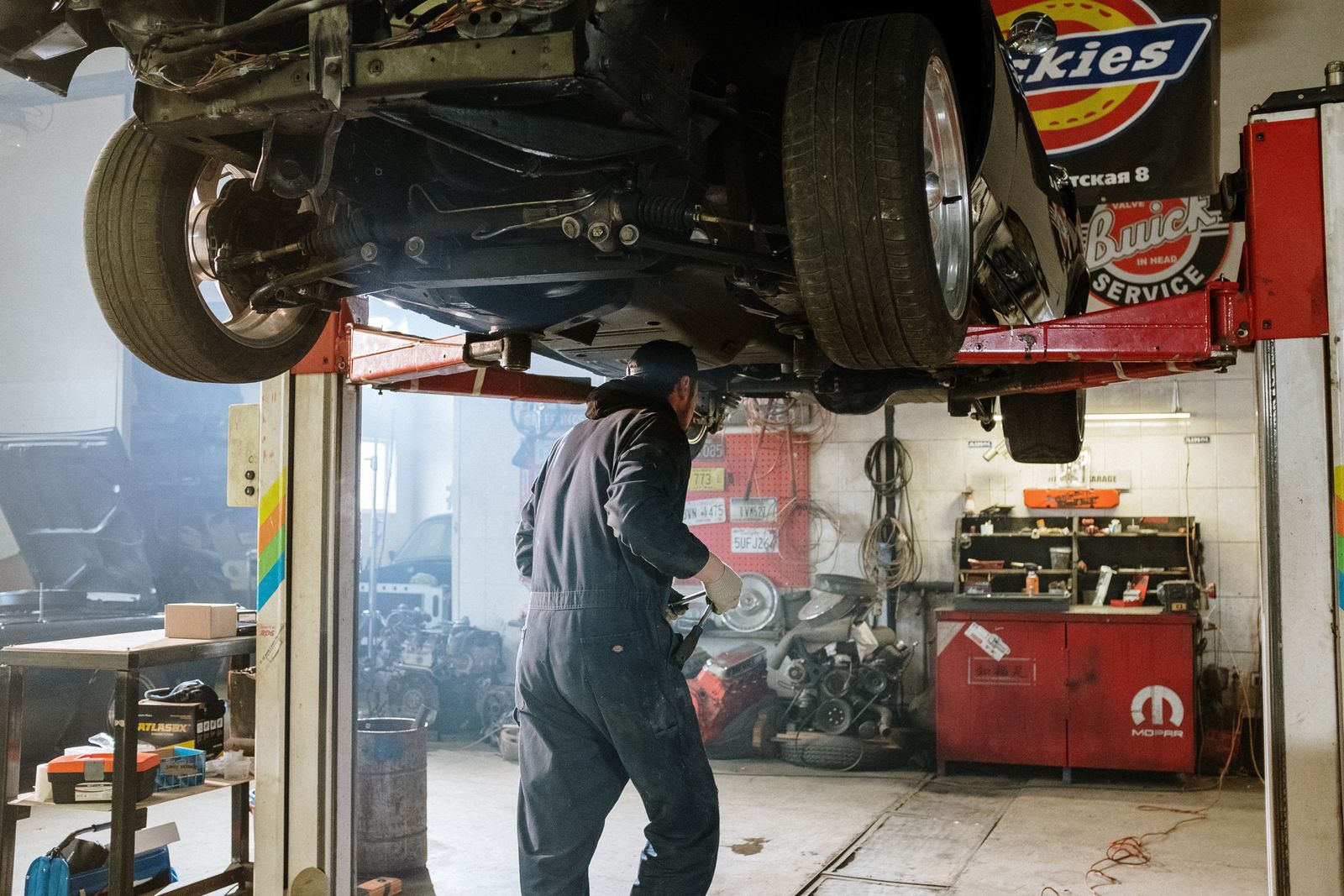
Lou was the type who didn’t talk much at first. He did the walkaround, popped the hood, checked fluids, plugged in his scanner, and took it on a quick drive while Evan and Maya sat on a plastic bench next to a dusty vending machine. When Lou came back, he didn’t look panicked, but he also didn’t do his usual “looks good” nod.
He asked Evan a weirdly specific question: “Did they change the oil before you got it?” Evan said the salesperson mentioned it was “freshly serviced,” which was dealership-speak for “don’t ask more questions.” Lou made a small noise—half sigh, half grunt—and said he wanted to pull the oil filter and take a look.
When he cracked the filter loose, the oil that ran out looked darker than you’d expect for “freshly serviced.” Not sludge-black, but not honey-gold either. Lou held the filter up to the light, turned it slowly, then told Evan to come closer.
Opening the oil pan: the glitter that isn’t glitter
The first metal showed up like sparkles in the drain pan. Tiny flecks that caught the light, the kind of thing a non-car person might mistake for normal grime. Lou didn’t treat it like normal anything; he leaned in, took a magnet, and started dragging it through the oil.
Some of it stuck to the magnet. Some of it didn’t, which made his face go tighter. He wiped the magnet on a rag and the rag came away speckled, like someone had shaken a pepper shaker full of steel dust.
Lou didn’t yell or make a dramatic speech. He just said, “I’m dropping the pan,” the same way someone says, “I’m calling the fire department.” Evan asked if that was really necessary, because dropping an oil pan on a newer truck wasn’t a “quick look” anymore. Lou said, “If you’re thinking about buying this, you want to know what’s happening in there.”
When the oil pan came down, the truth was sitting right at the bottom like a nasty surprise in a soup bowl. Metal shavings. Not a few flecks—actual curls and grit, clustered in the corners and stuck in the sludge film. Lou scooped a little with a plastic pick and it made that quiet, awful scraping sound.
Evan stared like he was trying to convince himself it was leftover debris from an oil change, some harmless contamination. Lou shook his head and pointed to the pickup tube screen. It had glittering debris trapped in it too, the kind of thing that slowly starves an engine until it starts eating itself.
Lou explained it in plain terms: those shavings were coming from inside the engine. Bearings, timing components, something wearing down fast. It could run fine today and grenade next week, or it could fail on the highway under load. Either way, it wasn’t a “we’ll fix a leak” problem—this was “you might be staring at a rebuilt engine” territory.
Why the dealership wanted it done before closing
Evan called the salesperson from the shop, still staring at the oil pan on Lou’s bench. He didn’t start angry. He started polite, almost hopeful, like there had to be some misunderstanding. “Hey, we dropped the pan and there are metal shavings,” he said, and then waited for the other guy to do the decent thing.
The line went quiet for a second—just long enough to feel like someone covering the receiver with their hand. When the salesperson came back, his tone had changed. He asked who authorized dropping the oil pan and why they’d “take it that far” on a truck that wasn’t even purchased yet.
Maya watched Evan’s face do that slow shift from confusion to realization. The dealership wasn’t surprised. They were offended, like the crime here was looking too closely.
The sales manager got on the phone next and went straight to procedure. They couldn’t “verify” what an outside shop did. They couldn’t accept “disassembled” vehicles back. If Evan wanted the truck held, the deposit was now being described as “processing” and suddenly not refundable. The manager kept repeating, “We asked you to come in last night,” as if that line explained everything.
That’s when the earlier rush clicked into place. Closing time wasn’t about convenience. It was about getting ink on paper before anyone with a lift and a magnet could see what was hiding in the oil. If Evan had signed at 7:55 p.m., the dealership would’ve had a contract, a financed deal, and a buyer trying to argue about engine failure after the fact—on their timeline, in their system, with their legal wording.
Evan didn’t scream. He just asked, very evenly, for the deposit back and for the truck to be picked up from the mechanic. The manager said they’d send a tow truck, but only after Evan “made arrangements” to pay for any “unauthorized work.” Lou, overhearing, laughed once—sharp and humorless—and told Evan, “They can try.”
By late afternoon, the truck was still on Lou’s lot, oil pan off, evidence sitting in plain view like a busted alibi. Evan was juggling phone calls: the dealership, his bank, and a consumer protection office that sounded tired before he even finished the first sentence. The dealership kept insisting this was all a misunderstanding, but none of their solutions involved admitting the engine was failing.
The last thing Evan did before leaving the shop was take photos: the pan, the shavings, the pickup screen, the filter. He put the pan back on just enough for the tow, because he didn’t want to be accused of “damage,” and he drove home in silence while Maya stared out the window like she was replaying every smarmy smile from the night before.
What stuck wasn’t just the metal in the oil. It was the way the dealership had treated urgency like a sales tactic and then, the moment the engine’s insides were visible, treated scrutiny like vandalism. Evan still didn’t know if they’d cough up the deposit or if he’d have to chase it for months, but he knew exactly why they wanted the sale done before closing—and it wasn’t because they were trying to be helpful.