

By the time she realized something was off, the driveway was already empty in a way that didn’t make sense. The sedan she always drove—the one with the coffee-ringed cupholders and the faint smear of toddler fingerprints on the rear window—was gone. In its place sat a black pickup truck that looked like it had been freshly detailed, the kind of shiny that makes you feel underdressed just standing next to it.
Her husband was inside, weirdly upbeat, acting like he’d just swapped out a toaster. He tossed his keys in the little bowl by the door and said something breezy about “making a good move for the family,” like that explained why her car had vanished. She asked where her car was, and he gave her a smile that didn’t reach his eyes.
He told her he’d traded it in. Not “we traded it in,” not “we talked about it and decided.” He said it the way someone says they grabbed milk on the way home—casual, done deal, nothing to see here. She stood there trying to process the fact that her vehicle was now, apparently, a bargaining chip he’d already slid across a desk.
The “family upgrade” that nobody asked for
He pitched the truck as an upgrade, the kind of thing he’d been “thinking about for a while.” Their old setup had been simple: his car, her car, and a toddler who required a car seat the size of a small spaceship. She worked, ran errands, did daycare drop-offs, and her sedan was the default kid-mobile because it was easier to load and had the car seat installed correctly.
He kept talking, listing features like he was reading from a brochure—towing capacity, bed liner, fancy display, “super safe” build. She kept waiting for the part where he said he’d gotten the truck in addition to keeping her car, or that he’d at least asked. Instead, he said the dealership “gave him a great deal” because her sedan was paid off and had low miles.
That’s when the tone shifted from confusion to that hot, quiet kind of anger where you start asking very specific questions. Did he sign paperwork in her name? Did he use joint money? Where was the title? He waved those off with a “don’t worry about it,” which is basically relationship napalm when you’re talking about property and thousands of dollars.
The first time she tried to put the kid in the truck
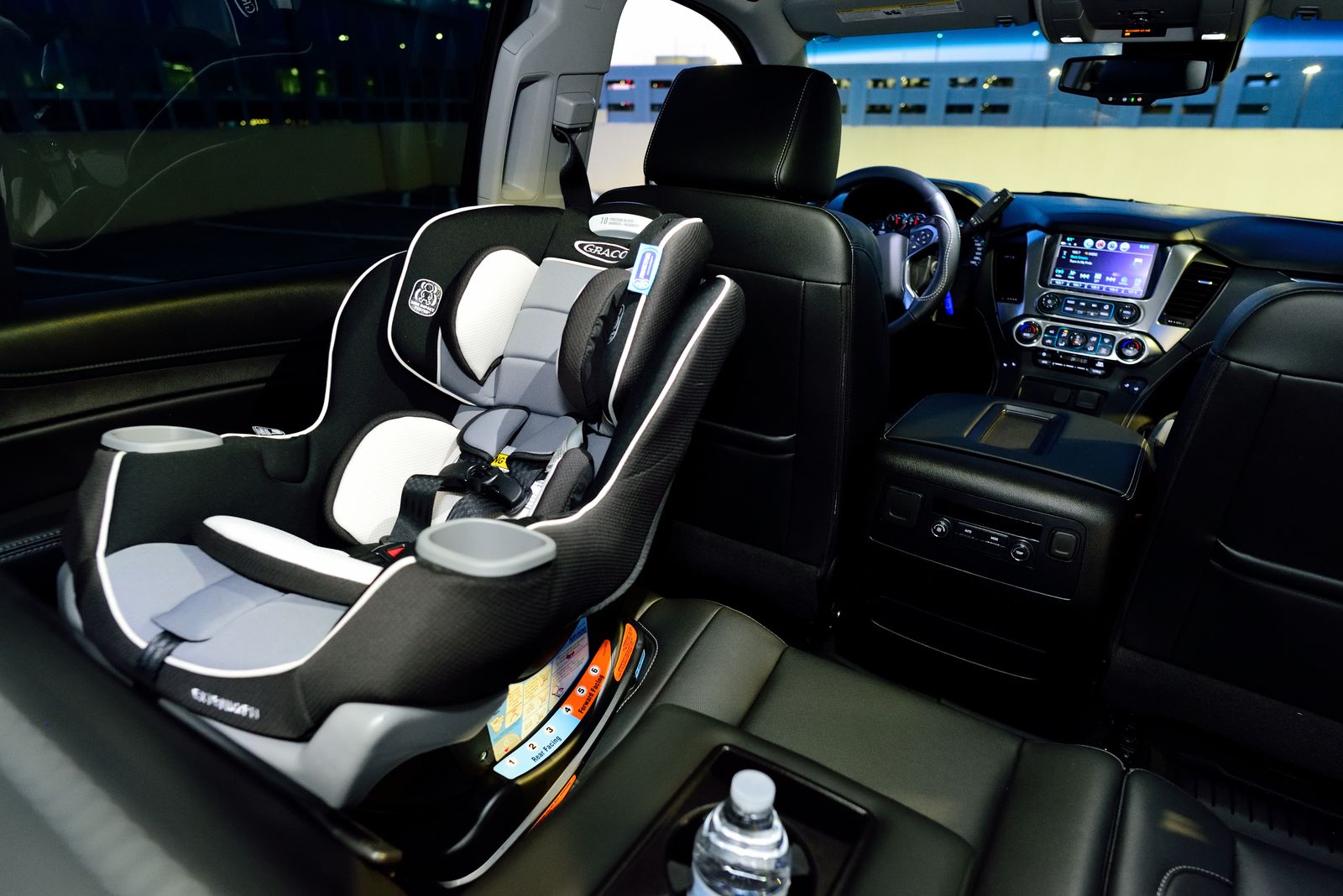
The real chaos kicked in the next morning, when she went to do the normal routine: buckle the toddler in, head to daycare, then work. She opened the back door of the new truck and immediately paused. The back seat looked… smaller than it should’ve, like it was designed for gym bags and regret rather than an actual child.
She hauled the car seat over and tried to line it up. The base didn’t sit right, and the anchors were in an awkward position that made her hands cramp as she fumbled around, trying to find the LATCH points. After a few minutes of wrestling, sweating, and muttering, she realized it wasn’t just tricky—it flat-out didn’t fit the way it needed to to be safe.
She called her husband over, expecting him to share the panic of “our kid can’t ride in this vehicle.” He came out with the confidence of a guy who thinks car seats are basically optional. He jiggled the seat, tugged a strap, and said, “It’s fine,” even though it visibly wasn’t.
When she insisted they weren’t putting their child in an improperly installed seat, he got irritated fast. He started blaming the car seat, then the “complicated” straps, then her for “making it a thing.” And there it was: the truck wasn’t for the family; the truck was for him, and the family logistics were her problem to solve.
The receipts, the paperwork, and the sudden realization
Once the immediate daycare issue was handled—she ended up calling in late and arranging a ride—she started digging. Not in a dramatic, snooping way, but in the practical way you do when you’re trying to figure out if someone just detonated your financial life. She asked to see the paperwork from the trade, the loan documents, the registration, anything.
He stalled, which told her plenty. Eventually he produced a folder with dealership papers, and the details were worse than she expected. The trade-in was credited against the truck, but the truck itself was financed—long term—meaning the “great deal” was mostly a sales pitch wrapped around a bigger monthly payment.
The bigger issue was that he’d acted like her car was his to barter with. Depending on how they held the title, he may or may not have even had the legal right to trade it. But emotionally, that part almost didn’t matter; he’d made a unilateral decision that affected her daily life, their kid’s safety, and their budget, and then tried to sell it to her like a surprise gift.
When she asked why he didn’t talk to her first, he went with a mix of defensiveness and martyrdom. He said he was “trying to do something nice,” that she “never lets him have anything,” that she’d “overreact” if he brought it up. Every sentence was basically an admission that he knew she wouldn’t agree, so he avoided asking.
The fight that wasn’t really about the car
They had the kind of argument that starts in the driveway and somehow ends up dragging every old resentment into the open. She kept coming back to the same point: she relied on that car, and he didn’t get to decide she no longer had it. He kept circling around how the truck was “better,” as if bigger automatically meant smarter, safer, or more responsible.
At one point, she asked him to explain—slowly—how he expected her to do daycare runs, doctor appointments, grocery trips, and everything else when the car seat didn’t fit. He suggested she “just move the passenger seat up” and “make it work,” which is the kind of suggestion that sounds reasonable only to someone who has never actually wrangled a toddler into a seat while running late.
She tried to keep it focused on the immediate problem, but he kept shifting the fight into a referendum on his autonomy. He talked about feeling “controlled,” about wanting something he liked, about being tired of “asking permission.” The blunt truth she could see—and couldn’t unsee—was that he was fine with her being inconvenienced as long as he got the vehicle he wanted.
And the way he said “your car” versus “the truck” wasn’t subtle. The sedan had been “just a car,” something expendable. The truck was “an investment,” “a statement,” “a step up.” He was giving her the language of respect and importance—just not for her.
The fallout: logistics, trust, and the uncomfortable quiet
The next couple days turned into a mess of logistics and cold tension. She borrowed a relative’s vehicle to get the toddler around, because the truck still wasn’t workable without a different car seat or some kind of retrofit that might not even exist. He offered to “pick up a different seat,” like the solution was just buying another expensive object and calling it done.
She wasn’t hearing it. The issue wasn’t the car seat; it was the fact that he’d traded away something she owned and depended on without her consent. Every time she looked at the truck, she didn’t see leather seats or a touchscreen—she saw him making decisions over her head and then acting annoyed when she noticed.
He, meanwhile, oscillated between sulking and trying to charm his way out of it. He’d offer to take her out to dinner, talk about how “we’ll laugh about this later,” then snap when she brought up returning the truck. The dealership, of course, wasn’t eager to unwind anything, and even if they could, the sedan was probably already gone.
What made it worse was how ordinary everything else looked. The toddler still needed snacks and bedtime stories. The dishes still piled up. He still went out to the driveway to admire the truck, and she still felt that tight pinch in her chest every time she remembered she hadn’t agreed to any of this.
By the end of the week, the loud fighting had mostly stopped, but the quiet was sharper. She wasn’t just mad—she was recalibrating how she saw her marriage, because it’s hard to ignore what it means when someone treats your property like a bargaining chip and your daily life like an afterthought. And every time she had to ask someone else for a ride because her own car was gone, it kept landing the same way: the truck fit in the driveway just fine, but the trust didn’t fit in the relationship anymore.