

After the divorce papers were signed, Maya didn’t celebrate. She did logistics. She moved her stuff into a second-floor apartment with a stairwell that always smelled faintly like someone’s fried onions, changed every password she could remember, and started sleeping with the bedroom door locked even though she was the only one inside.
Her friends kept giving her the same well-meaning script: get a dog, get cameras, get therapy, get a hobby. Maya nodded politely, then kept circling back to one thing that felt immediate and concrete—getting a car that didn’t make her feel exposed. She’d spent years in a small sedan with peeling tint, the kind that felt like a fishbowl at stoplights, and now she wanted something that sat higher, locked tighter, and looked like it could swallow a bad day whole.
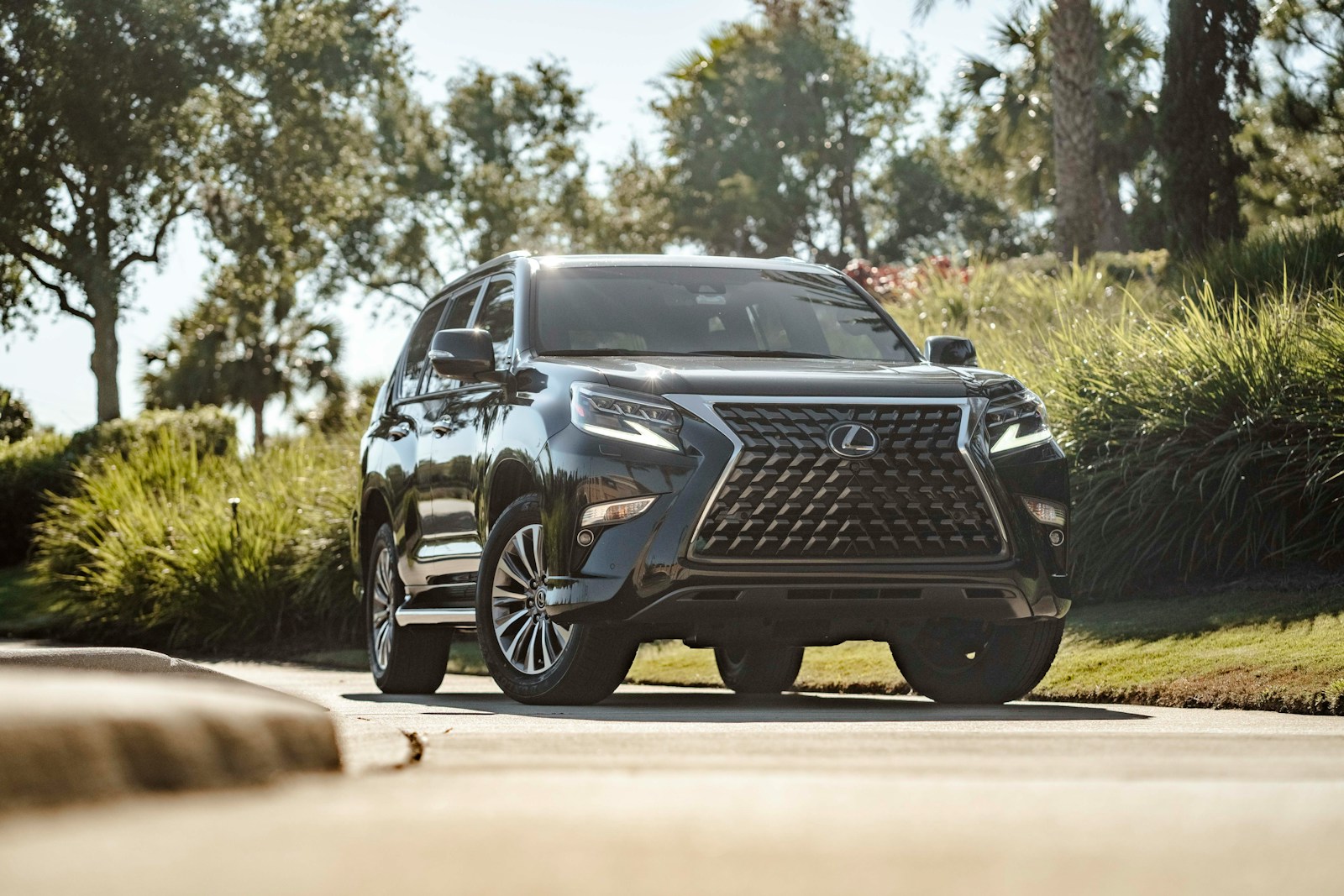
So when she signed for a luxury SUV—black, heavy, with the kind of door thunk that sounds like money—she told herself it wasn’t indulgence. It was armor. It was a safe room on wheels, a way to feel less vulnerable when she left work after dark or pulled into her apartment lot and saw a strange car parked too close.
The Purchase That Felt Like Control
Maya didn’t stroll onto the lot like someone shopping for fun. She went in with a spreadsheet. She’d done the post-divorce math a dozen times: rent, utilities, insurance, groceries, her lawyer’s last invoice that still made her jaw tighten.
The salesperson clocked her hesitations and handled her with that practiced mix of empathy and pressure. “A lot of people are prioritizing safety right now,” he said, nodding at the SUV’s thick pillars and gleaming driver-assist badge like it was a life raft. He kept slipping in phrases like “peace of mind” and “protective design,” and Maya kept hearing, in her own head, the sound of her ex banging a kitchen cabinet during an argument.
She didn’t buy brand-new—she wasn’t reckless. She bought certified pre-owned, still under warranty “for the big stuff,” the finance guy said. The payment was higher than she’d ever had, but it was still technically doable if she stayed disciplined, and discipline was something she understood.
When she drove it home the first night, she didn’t even turn the radio on. She just listened to how quiet it was inside, like the world had been turned down a few notches. In the apartment lot, she sat for a minute with the doors locked and the engine off, enjoying the weird thrill of feeling untouchable.
The First Little Symptom She Tried to Ignore
The first sign that the SUV was going to have opinions about her plan showed up like a minor annoyance. A faint shudder when she accelerated onto the freeway. A brief warning message that blinked on and disappeared before she could read it, like the car was playing coy.
Maya did what a lot of people do when they can’t afford new problems: she rationalized. Maybe it was bad gas. Maybe it was a sensor glitch. Maybe she was imagining it because she was tense all the time now and her body didn’t know how to be normal.
Then the morning came when the SUV made an ugly grinding sound turning out of her spot, loud enough that a neighbor watering plants looked up. Maya froze with her hands locked on the wheel, then eased it back straight and tried again like she could negotiate with it. The sound didn’t go away; it got meaner, as if offended she’d questioned it.
She called the dealership service department during her lunch break, trying to keep her voice calm. The earliest appointment was five days out, and they told her to “monitor it” and avoid long drives. Maya stared at her calendar, because her life didn’t have “avoid long drives” space in it anymore.
The Service Desk Smile That Started to Crack
On appointment day, she showed up early, clutching her key fob like it was a hall pass. The waiting area was one of those polished, scented rooms designed to make people forget they’re about to be charged: espresso machine, leather chairs, a wall of flat-screen TVs playing muted golf.
The service advisor—pleasant, clean-cut, wearing a branded quarter-zip—asked about the symptoms while typing fast. He nodded in the right places, made sympathetic noises, and casually asked if she wanted to authorize a diagnostic fee “just in case” it wasn’t covered. Maya said yes because saying no felt like stepping into a trap she didn’t understand.
They offered a shuttle, but she couldn’t deal with being driven around by a stranger who would make small talk, so she waited. She watched other customers stroll in like they owned the building, dropping off cars that cost more than her entire savings and not flinching once.
When the advisor came back, his expression had shifted from friendly to careful. He held a printed estimate like it was delicate, like the paper might cut her if he handed it over too quickly. Maya knew, before he even spoke, that this was no longer a “monitor it” situation.
The Number That Didn’t Make Sense With Her Life
He started with the explanation: something in the drivetrain, a component that “commonly wears,” plus a related issue that had to be addressed at the same time, plus labor because the way the SUV was engineered meant half the underside had to come apart. He used words like “module,” “calibration,” and “manufacturer procedure,” the kind of language that makes you feel stupid for blinking.
Then he pointed to the total. It was a clean, bold number at the bottom of the page, almost tidy in how ruinous it looked. The first repair bill was more than her rent.
Maya laughed, not because it was funny, but because her brain did that thing where it tries to push panic out through her mouth. She asked him to say it again, slower, like maybe she’d misheard the comma placement. He said it again, slower, and then added the part that really stung: the warranty didn’t cover it because it was classified as wear-and-tear, not a defect.
She pulled up her rent payment on her phone like it was evidence. She showed him the number, as if he could be shamed by math. The advisor’s face didn’t change; he just nodded politely and said he understood, which is what people say when they don’t have to live inside your budget.
Maya asked if it was safe to drive without the repair. The advisor did that careful thing again—no direct yes, no direct no—just “not recommended” and “could lead to more damage.” He offered financing through a third-party service, and the word “financing” hit her like a second bill.
The Fallout: Pride, Fear, and a Car That Became a Weight
She called her sister in the parking lot and tried to keep her voice steady while explaining the estimate. Her sister did the immediate practical questions—did they itemize it, did you ask about goodwill coverage, did you get a second opinion—while Maya stared at the glossy hood and felt like she’d been tricked by her own need to feel safe.
Next came the call she didn’t want to make: her ex. Not because she needed permission, but because they still had messy financial overlaps and he had a way of making her feel irresponsible even when she wasn’t. She told herself she was calling for information—did he remember any issues with the vehicle history, did he see anything when she bought it—but the real reason was she felt cornered and alone.
He did exactly what she feared: he focused on the purchase, not the problem. He asked why she’d buy “that kind of car” on a single income, why she didn’t ask him first, why she was always making decisions “out of emotion.” Maya bit her tongue so hard she tasted metal, because the whole point of the divorce was to stop having to justify every choice like she was on trial.
Meanwhile, the SUV sat in the dealership lot waiting for authorization, and the advisor kept calling to “check in.” Each call felt like a polite reminder that time was money and the meter was running on her anxiety. Maya started looking up the same repair on forums late at night, bouncing between posts from people who paid it off like it was a haircut and people who said they traded the whole vehicle in out of spite.
She considered taking it to an independent shop, but the car’s systems were so proprietary that every thread turned into a debate about whether you needed dealer software, whether aftermarket parts would throw codes, whether the repair would stick. The more she read, the less she trusted anyone, including herself. Even the “safe” option—the luxury dealership—now felt like a place that smiled while handing you a knife.
In the end, she didn’t have a clean choice. Paying the bill would mean dipping into the emergency fund she’d built specifically so she wouldn’t ever have to call her ex for anything again. Not paying it meant driving a vehicle that might fail, which defeated the whole reason she bought it, or selling it immediately and eating the kind of loss that makes you feel physically ill.
That was the weirdest part: the SUV still made her feel safe when she sat inside it, doors locked, windows up, world muffled. But now that sense of safety came with a ticking number attached, like a price tag that had worked its way under her skin. Maya didn’t know which was worse—the fear that brought her to the dealership in the first place, or realizing she’d bought herself a different kind of vulnerability, one that arrived printed neatly at the bottom of an estimate sheet.