

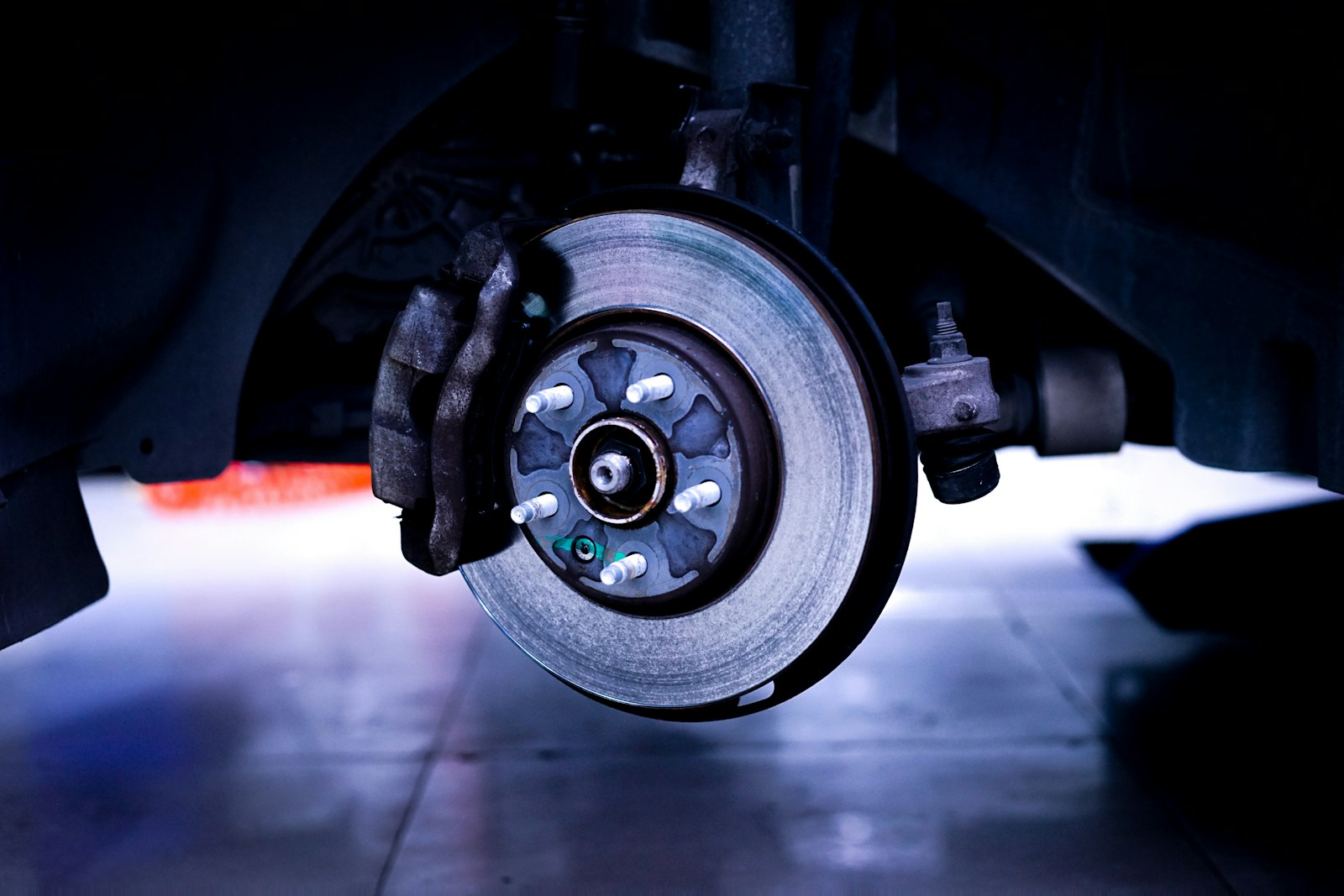
She first noticed it in the school pickup line, the kind of sound you can pretend isn’t real if you keep the radio on. A little squeal when she eased off the gas and tapped the brakes, like a mouse trapped somewhere under the hood. The kids were arguing in the back seat about whose turn it was to hold the snack bag, and she was already late, so she did what a lot of people do when money’s tight: she filed it under “deal with later.”
Her car wasn’t new, but it wasn’t a total beater either—mid-2010s SUV, bought used, the kind of vehicle that always has one weird quirk. She’d been stretching everything: groceries, the phone bill, the time between oil changes. Brakes felt like a “next paycheck” problem, and next paycheck had already been promised to rent and daycare and the dentist appointment she’d been putting off since spring.
The squeal didn’t happen every time, which made it easier to ignore. It only showed up on certain turns into parking lots or when she hit the brakes a little harder than usual. She told herself it was probably dust, maybe a pebble caught somewhere, and that she’d ask her cousin’s boyfriend—who “knew cars”—to listen to it on the weekend.
The tiny noise that became part of the routine
Over the next couple weeks, the squeal stopped being a warning and started being background noise. She’d wince when it happened, then immediately get distracted by something else: a kid spilling juice, a teacher emailing about a missing permission slip, her boss asking if she could cover a shift. Every time she thought about calling a shop, she imagined the estimate printed on a clipboard and the person behind the counter saying, gently, like they were doing her a favor, “You really shouldn’t drive this.”
She did try to be careful. She left a little more following distance and coasted up to red lights instead of braking late. On days when the squeal seemed louder, she’d drive like there was an egg under the pedal, light and cautious, telling herself she could nurse it along until things settled down.
Then the brakes started feeling different—nothing dramatic, just… softer. The pedal had a little more travel, like it was sinking before it grabbed. She noticed it once pulling into her apartment complex, and her stomach tightened, but she shoved the thought away because she didn’t have a plan for what to do with it.
The week everything piled up
The timing couldn’t have been worse, which is always how it goes. That same week, her oldest got sick and missed school, so she lost hours at work. The grocery bill jumped because she was buying cold medicine and “easy foods” to keep the peace. And when she finally looked at her bank app, the number was small enough that she did that thing where you stare at it like it might change out of embarrassment.
She mentioned the brakes to her sister on the phone, half-joking, like it was an annoying pet. Her sister went quiet in the way that’s never really quiet—more like loading a lecture. “You can’t mess around with that,” she said, and her voice had that edge of someone who’s already imagining a terrible phone call.
She snapped back, not because she disagreed, but because she couldn’t stand the helplessness of it. “I know,” she said, sharper than she meant. “Unless you’ve got an extra five hundred dollars sitting around, I’m doing what I can.”
The moment the pedal dropped
It happened on a normal errand run that was supposed to be quick. She had both kids in the back—one buckled properly, the other needing the usual reminder to stop twisting the belt—and she was heading toward a big intersection near a shopping center. It wasn’t raining, but the roads were busy in that late-afternoon way, everyone trying to beat dinner and traffic at the same time.
She came up behind a line of cars and pressed the brake like she’d done a thousand times. The pedal went down farther than expected. Not all the way, but enough that her heartbeat jumped and her foot instinctively pushed harder, like force could make physics cooperate.
Then it happened for real. The pedal sank straight to the floor with this dead, hollow feeling, and the SUV didn’t slow the way it should’ve. For a split second her brain tried to deny it—like maybe she’d hit the gas by accident—until she saw the gap shrinking too fast and felt the car still rolling with the weight of it.
Her kids heard her say something she didn’t want them repeating. The younger one started crying immediately, the panicked, confused kind where they don’t even know what they’re scared of yet. The older one yelled, “Mom!” in a voice that sounded older than they were.
She yanked the wheel slightly toward the right, checking the shoulder with a quick head turn that felt like moving through molasses. Her hand went to the hazard lights without thinking. She pumped the brake—once, twice—nothing, just that awful empty travel, pedal slapping the floorboard like it was disconnected.
She dropped her speed by shifting down and letting the engine drag, a move she’d seen someone do once and never expected to need. The SUV lurched a little, not graceful, but it started bleeding speed. She kept it straight, eyes flicking between the cars ahead and the space to the side, and eased into the shoulder with her heart trying to climb out of her throat.
By the time the car stopped, it wasn’t dramatic in the Hollywood way. No screeching halt, no explosion—just a quiet stop and then the sound of her own breathing, loud and ragged, like she’d sprinted. She sat there with both hands on the wheel, shaking so hard her wrists hurt.
Phone calls, blame, and the sick feeling afterward
She checked the kids first, twisting around in her seat, voice wobbling as she tried to sound calm. “You guys okay? You’re okay. We’re okay,” she kept saying, as if saying it enough times would make it true in her bones. The older kid nodded too fast, trying to be brave, while the younger just sobbed and hiccuped, cheeks blotchy.
Then she called her sister, because she didn’t know who else to call and because she couldn’t sit alone with what just happened. Her sister answered with a casual “Hey,” and the moment she heard that normal tone, it cracked something open. She started crying, trying to talk at the same time, words tumbling out: the pedal, the floor, the kids, the shoulder.
There was a long pause on the other end, the kind that’s heavy with anger and relief battling it out. Her sister didn’t scream, which somehow made it worse. She just said, very flat, “Where are you,” and then, after getting the location, “Do not move that car.”
They called a tow truck, which cost money she didn’t have, but at that point the cost wasn’t the worst part. The worst part was the waiting: sitting on the shoulder with the hazards blinking, kids still strapped in, trying to keep them from looking at every car whipping past like it was a threat. Every time a truck blew by, the SUV rocked slightly, and she flinched like the world was touching her.
When the tow finally came, the driver took one look at her face and softened a bit, like he’d seen this exact fear before. He asked what happened, and when she told him, he nodded slowly and said, “Yeah, brakes don’t usually give a lot of notice when they’re done.” It wasn’t meant to scare her, but it landed like a punch anyway.
The shop visit that felt like a verdict
The mechanic’s shop had that smell of rubber and old coffee, and she could barely focus on what anyone was saying. The mechanic didn’t act dramatic—just businesslike, wiping his hands and talking in plain language. Worn pads, rotors in bad shape, and a leak that had likely been getting worse, slowly turning “a squeal” into “no brakes.”
He gave her a number that made her eyes sting again. She asked if there was any way to do it cheaper, and he hesitated, not wanting to be the bad guy but not willing to lie. “I can’t put you back on the road with half a fix,” he said, and the way he said it made it clear he’d rather lose the sale than be responsible for what might happen.
Her sister showed up at the shop with that tight, controlled energy people get when they’ve been scared and haven’t decided what to do with it yet. She looked at the kids, then at her, and her face shifted into something like fury with nowhere to go. “You could’ve killed them,” she said quietly, not trying to be cruel—just saying the truth she couldn’t swallow.
She didn’t defend herself with the “money is tight” line, not this time. She just stared at the floor tiles and said, “I know,” because there wasn’t any argument that didn’t sound like an excuse. The shame was physical, like a weight pressing down on her ribs.
They figured something out—credit card, a small loan from family, a patchwork solution that left everyone annoyed and stressed. But the money part wasn’t the main problem anymore; it was the trust part. Her sister insisted on picking up the kids for the next few days, acting normal but not really, and she let her, because she didn’t feel entitled to push back.
What stuck around wasn’t just the repair bill or the logistics. It was the image of that brake pedal disappearing under her foot while her kids’ voices changed behind her, that exact moment where she realized she’d been gambling without calling it gambling. Even after the car was fixed, even after the immediate panic faded, there was still this thin, raw tension between her and the people who loved her—because they couldn’t stop thinking about how close it came, and she couldn’t stop thinking about how she almost let “later” turn into something she couldn’t take back.