

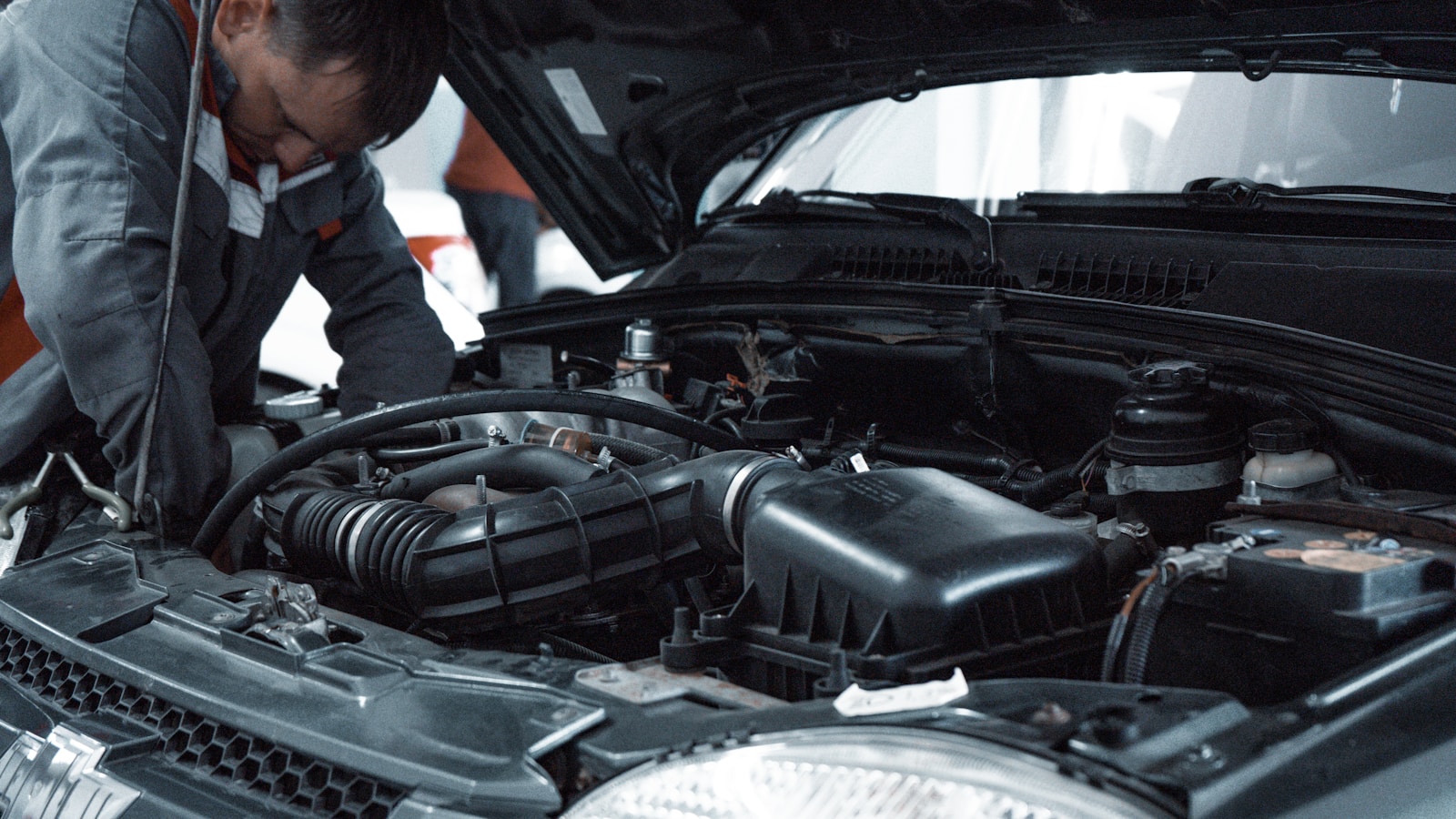
It started the way a lot of car nightmares start: with a single mom trying to do one responsible thing before her week got worse. She’d been hearing a rough idle for a couple days, then the check engine light went from “annoying” to “okay, fine” when the car bucked pulling out of a grocery store lot. By the time she got it home, it was shaking like it had an opinion.
She couldn’t risk it. School drop-offs, work, a kid’s birthday coming up, and a schedule that didn’t have room for “my car died” as a side quest. So she called a local shop with a decent reputation, the kind with a clean waiting room and a wall of framed certifications that always makes people relax a little. She towed the car in, handed over the keys, and tried to look calm while doing the mental math of how much she could put on a credit card without spiraling.
Two hours later, the service desk called her back to the counter like a teacher summoning a kid who definitely did something. The mechanic didn’t ease into it; he dropped the number first, like ripping off a bandage. “It needs an engine,” he said, and then the quote: just under $9,000 before tax, before “incidentals,” before whatever else would show up once they started “getting into it.”
The $9,000 sentence
The explanation was a blur of worst-case phrases: “internal damage,” “compression is off,” “these engines are known for it,” and “you’re lucky it didn’t lock up on the highway.” He said they could maybe source a used engine, but that came with its own disclaimers, and the price didn’t drop nearly enough to make it feel like an option. The car, he implied, was basically a paperweight unless she paid up.
She stood there doing that polite nod people do when they’re processing a financial gut-punch in public. She asked the obvious questions—how do you know, did you actually open it up, could it be anything else—and he slid into the practiced cadence of someone who’d had this conversation a hundred times. The diagnostic fee would be due either way, and the car couldn’t leave until they “buttoned it up,” which would take time, which meant storage if it sat.
That’s the part that hit her harder than the engine talk. She wasn’t just being told it was expensive; she was being told she was stuck. No car, a bill starting already, and a counter guy looking at her like he was waiting for her to either cry or sign. She called her sister from the parking lot and tried to keep her voice steady while saying, “They say it needs a whole engine.”
Asking for proof without sounding “difficult”
She went back inside and asked to see the report, the codes, anything concrete that matched the apocalypse she’d just been sold. The mechanic printed out a sheet with a couple fault codes and circled a line about misfires like that was a death certificate. When she asked what specifically indicated “internal engine failure,” he repeated the compression line, then said they didn’t do a full tear-down unless she authorized the replacement.
There was a weird social pressure in the moment that people don’t talk about. She wasn’t trying to accuse anyone of lying; she was trying not to be the woman who “doesn’t trust professionals” while also not agreeing to spend $9,000 because someone sounded confident. So she did the careful thing: asked if there was a way to get a second opinion without towing it across town again.
The shop manager—different guy, calmer voice—said one of their other techs could “take another look,” but warned her not to get her hopes up. He phrased it like he was doing her a favor even offering, which somehow made it feel like she was already being unreasonable. Still, she insisted, and they told her to wait a bit.
The second technician and the ten-minute silence
The second technician came out wiping his hands on a rag, younger than the first guy and not doing the whole theatrical doom thing. He asked a few basic questions the first mechanic hadn’t bothered with: when it started, whether anyone had done recent work, if the battery had been replaced. She mentioned she’d had the spark plugs changed a few weeks ago at a quick-lube place because the car was due and she was trying to keep ahead of maintenance for once.
That detail seemed to land. He didn’t say “aha,” but his eyes did that tiny shift like he’d just moved a file in his head. He popped the hood and leaned in, not with the intensity of a surgeon but with the routine efficiency of someone checking the obvious stuff first because it’s usually the obvious stuff.
For about ten minutes, the waiting area went quiet except for the TV and the printer behind the desk. The single mom sat there staring at the coffee machine like it was personally mocking her. Every time the front door opened, she flinched, expecting another conversation about financing.
Then the tech came back in and said, almost casually, “Can you come out here a second?” Not “we need to talk,” not “it’s worse than we thought.” Just come out here.
One loose wire, one normal engine
Outside, he pointed at a section near the ignition coil pack and a connector that was sitting wrong—latched but not fully seated, or seated but not making proper contact. He explained it like he was narrating a basic fix: if that connector isn’t fully snapped in, the coil can’t fire right, the cylinder misfires, the engine shakes, the computer freaks out, and suddenly you’ve got a pile of scary codes that look like catastrophic failure. He said it happens all the time after plug jobs when someone’s rushing or a clip doesn’t click.
He pushed the connector in until it made that small, definitive snap. He didn’t do a grand reveal; he just asked her to stand back, got in, and turned the key. The engine started and settled into a smooth idle like it had never been dramatic a day in its life.
Her face did that thing where relief and anger try to occupy the same expression. She laughed once, not because it was funny, but because sometimes the body picks the wrong outlet for stress. Then she asked the tech, very carefully, “So… it doesn’t need an engine?”
He shrugged, not in a dismissive way, more like he didn’t want to get pulled into whatever was happening between coworkers. “Not from what I’m seeing,” he said. He told her he’d clear the codes, take it on a quick loop, and recheck for misfires. Ten minutes later, he came back and said it ran clean.
The awkward part: the first mechanic’s explanation
Back at the counter, the first mechanic had reappeared, and now he had that brittle politeness people get when they’re trying not to look wrong. He said something about “intermittent issues” and how diagnostics are complicated. The second tech didn’t contradict him openly, but he also didn’t play along; he just set the paperwork down showing the misfire was gone and the car was running normally.
The single mom asked the question that was hanging in the air: why was she told she needed a full engine replacement if a loose connector was the issue? The mechanic’s answer was slippery. He said the compression readings “suggested” internal problems, that he “couldn’t be sure,” and that they were recommending the “safest course.” It was the kind of language that tries to transform a wrong call into a reasonable precaution.
Then came the money. She’d paid for a tow. She’d been bracing for an engine. She asked what the bill was now, since the fix was literally snapping in a wire and clearing codes. The shop still tried to charge the diagnostic fee at the original rate, plus “shop time,” because they’d “spent hours testing.”
She didn’t explode, but she didn’t fold either. She asked for an itemized breakdown and said she’d pay for legitimate time, not for being scared into an engine swap that never needed to happen. The manager stepped in again, suddenly interested in smoothing things over, and offered to “reduce” the diagnostic charge as a “courtesy.” The wording made it sound like they were doing her a kindness, not backing away from something ugly.
She drove the car out of the lot that day, but the tension didn’t evaporate with the exhaust fumes. She kept thinking about how close she’d been to signing papers she couldn’t afford, not because the car was doomed, but because someone said the right scary words in the right confident tone. And the part that stuck wasn’t even the loose wire—it was how quickly the shop’s story changed once the engine started purring, like the real problem had never been the car at all.