
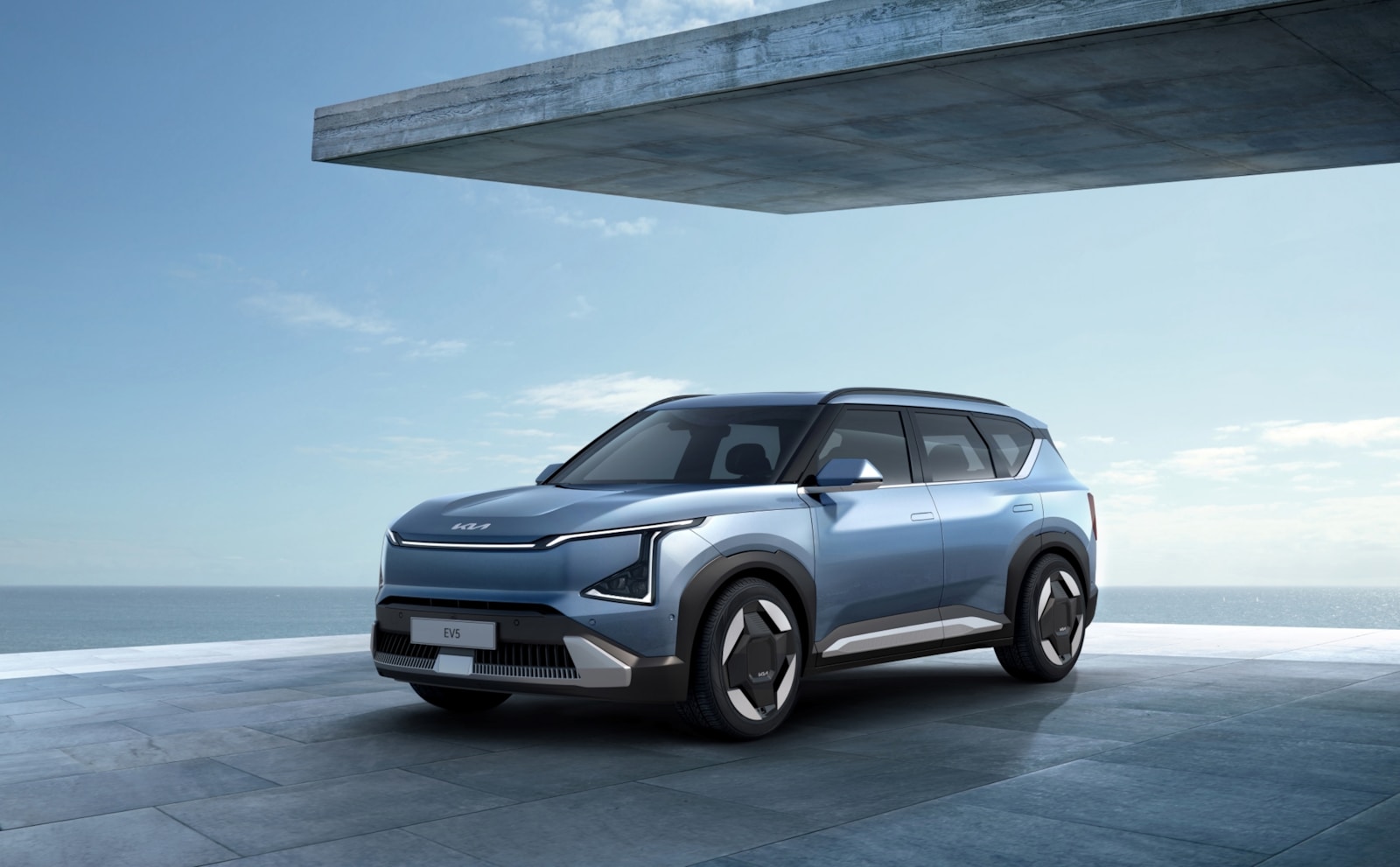

She’d had the SUV for barely two months, the kind of nearly new car that still smelled like the dealership and still had that reflexive “don’t put your feet on the seat” energy. It wasn’t a luxury model, but it was nice—clean, dependable, and expensive enough that she’d been babying it like a houseplant. So when her sister asked to borrow it for “one weekend,” she hesitated the way you hesitate before handing someone your phone unlocked.
The sister’s pitch was simple: her own car was “acting up,” she had a quick out-of-town trip, and she didn’t want to deal with rental fees. She promised she’d be careful. She promised she wouldn’t let anyone else drive it. She promised—this part came with a hand on her chest and the little offended laugh—that she wasn’t going to do anything stupid in her sister’s new car.
By Monday evening, the SUV was back in the driveway. From far away it looked normal, parked in the exact spot it had left from, like nothing happened. Up close, it was the kind of “normal” that makes your stomach tighten, because the first thing she saw wasn’t the car—it was the check-engine light blinking like it had been waiting all weekend to tattle.

The “quick weekend trip” math doesn’t math
She started with the obvious: mileage. When she’d handed over the keys, she’d taken a quick photo of the odometer—mostly for her own peace of mind, partly because she’d heard too many “my friend borrowed my car and…” stories. The number had been etched in her brain anyway, since it was still in that satisfying, low-mileage range.
The SUV came back with 1,200 extra miles. Not “a little more than expected.” Not “we took a wrong turn.” One thousand two hundred. That’s the kind of distance you rack up on a road trip where you stop for snacks, argue about playlists, and keep saying “we’ll just drive a bit more and then find a hotel.”
When she asked her sister about it, the sister didn’t even flinch. She said the trip “ended up being farther,” then pivoted to how stressed she’d been and how she didn’t want to get into it. The explanation had the loose, slippery feel of something she’d rehearsed once in the shower and hoped no one would interrogate.
The inside smelled like lies and cigarettes
Then came the smell. It hit as soon as she opened the driver’s door—stale cigarette smoke trying to hide under a blast of cheap air freshener. Her sister didn’t smoke, at least not publicly, and she’d been adamant about that when she borrowed the SUV.
She started scanning the interior the way people do when they’re trying not to panic. A dark little crater on the edge of the driver’s seat. Another on the center console near the cupholders. Cigarette burns, not old ones either—fresh enough that the plastic still looked slightly warped.
Her sister had an answer ready for that too, delivered fast like she was trying to outrun the question. “Oh my God, I don’t know what that is. Maybe it was already there?” The problem with that line is that it only works if the person you’re lying to hasn’t been treating the car like a museum exhibit since the day they bought it.
She asked again, quieter this time, because the quiet question is harder to bulldoze. The sister’s face did that thing where it rearranges itself into indignation. “Why are you accusing me? I told you I was careful.” Then she tried to change the subject to how her weekend had been “a lot.”
The check-engine light starts blinking, and so does the story
She didn’t even start the car at first. She just sat in the driver’s seat, stared at the flashing light, and listened to the SUV idle with a slightly uneven rhythm—like it was clearing its throat. She’d owned enough beaters in her life to know a flashing check-engine light wasn’t a “get to it when you can” situation.
When she texted her sister a photo of the dashboard, the sister responded with a casual, almost breezy “It was like that for a second but it went away.” Except it hadn’t gone away. It was blinking like a distress signal.
She asked if her sister had put gas in it. Her sister said yes, regular like always. She asked if anyone else drove it. Her sister said no. She asked if the SUV overheated, made weird noises, got driven hard, got towed, got stuck—anything. Her sister said, “No, nothing happened. You’re making it a big deal.”
That’s where the tension shifted from annoying to personal. The SUV wasn’t just damaged; she was being treated like she was irrational for noticing it. The sister wasn’t apologizing or even curious. She was defending a version of the weekend where the car basically floated from point A to point B and came back with an extra thousand miles by magic.
Then she remembers the dashcam
The SUV had a dashcam. Not because she was paranoid, but because the car was new and drivers were getting weirder and more careless by the year. She’d installed it after watching someone sideswipe a parked car and leave without a note in her apartment complex. It recorded on a loop, saved clips when it detected sudden movement, and—crucially—kept timestamps.
She hadn’t mentioned it to her sister when she handed over the keys. Not as a “gotcha,” just because it wasn’t relevant in her mind. Now it felt extremely relevant.
She pulled the memory card and started scrolling. At first it was boring stuff: daytime highway, windshield glare, a gas station stop. Then she hit the first clip that made her sit up straight—a night drive with loud music, the cabin bouncing slightly like it was on a rough road or someone was driving it like a go-kart.
In the audio, you could hear voices. Not just her sister’s voice either. There was laughing, a male voice in the passenger seat, someone in the back. And, threaded through it, a sound that’s weirdly unmistakable once you’ve heard it enough times: the crackle of a lighter and that quick inhale that comes with someone taking a drag.
She kept going. Another clip: the SUV parked, engine running, the headlights catching the reflective paint of another car as someone pulled in close. Her sister’s voice said, “Just be quick,” and another voice—definitely not hers—said something like, “Relax, I’ve got it.” The next clip started with a jolt and the dashcam auto-saved it like it had sensed a bump hard enough to matter.
The moment the cover story collapses
By the time she called her sister, she wasn’t even angry in the loud way. She sounded controlled, which is sometimes worse. She asked her sister, one last time, if anyone else had driven the SUV.
The sister doubled down. “No. Why are you obsessing?” That was the moment she brought up the dashcam. Not as a threat—just as a fact, like mentioning there was frosting on the cake everyone could see.
There was a pause that went on long enough to hear the sister recalculating. Then came the scramble: her friend had sat in the driver’s seat “for a second” while she ran inside somewhere, but the car “never moved.” Then: okay, it did move, but it was “just in a parking lot.” Then: she didn’t know about the smoking because it “wasn’t her,” and besides, it was one cigarette and “it’s not like the car is ruined.”
When her sister realized the dashcam had timestamps and mileage context, the explanations got smaller and sharper, like someone trying to fold a huge blanket into a shoebox. The 1,200 miles were suddenly “two trips,” not one. The check-engine light was “already kind of on,” which was a wild claim to make to someone who literally photographed the odometer the day she got the car.
She offered to pay for “detail cleaning,” but got weirdly defensive about repairs. She asked what her sister wanted her to do, like she was being punished for borrowing something she’d been generously allowed to borrow. And when the owner said she wanted the truth—just the truth, because the truth would at least let her deal with the damage—her sister snapped that she was being treated like a criminal.
The SUV ended up at a mechanic. The diagnosis wasn’t cinematic, just expensive and irritating: misfire codes, likely caused by something that could’ve been bad gas, aggressive driving, or ignoring an early warning. The mechanic asked if the car had been driven hard, and she had that bitter little moment where she almost laughed because she now had video evidence of people treating her nearly new SUV like a party bus.
What stuck wasn’t even the repair bill, though that was bad enough. It was the way the sister’s story didn’t just have holes—it had fingerprints around the edges, like she’d been shaping it in real time depending on what she thought could be proven. And now, with the dashcam clips sitting on a laptop like a silent witness, the fight wasn’t just about miles and burns and a blinking light. It was about whether their relationship could handle one person realizing, all at once, that “I promise” didn’t mean much when it came from the wrong mouth.
More from Steel Horse Rides: