
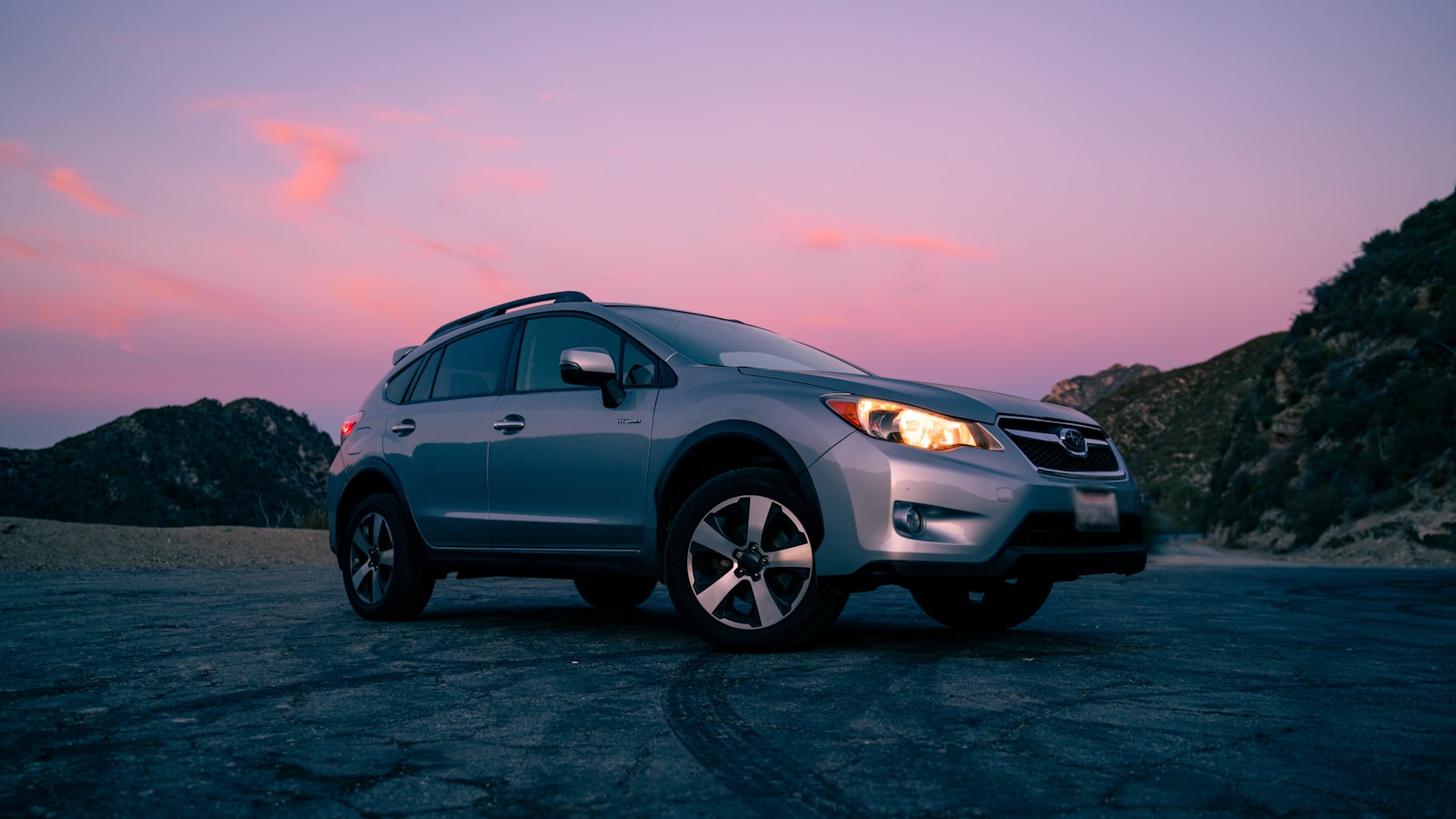

She didn’t walk into the dealership looking for trouble. She walked in looking for a safe, boring used SUV—something with decent ground clearance, heated seats if she got lucky, and enough room to haul groceries without playing trunk Tetris.
The salesman clocked her practical shoes and the way she checked the tire tread before she even said hello. He was all smiles anyway, steering her toward a mid-size SUV that “just came in” and was “clean as they come.” When she asked the question everyone asks—has it ever been in an accident?—he didn’t hesitate. “Nope. Never. Clean history.”
She almost believed him, too. The Carfax printout was sitting there like a permission slip, and the SUV looked good in that freshly detailed, tire-shine way cars look when you’re standing under fluorescent showroom lighting. Then she saw the left headlight.
The One Detail That Didn’t Match
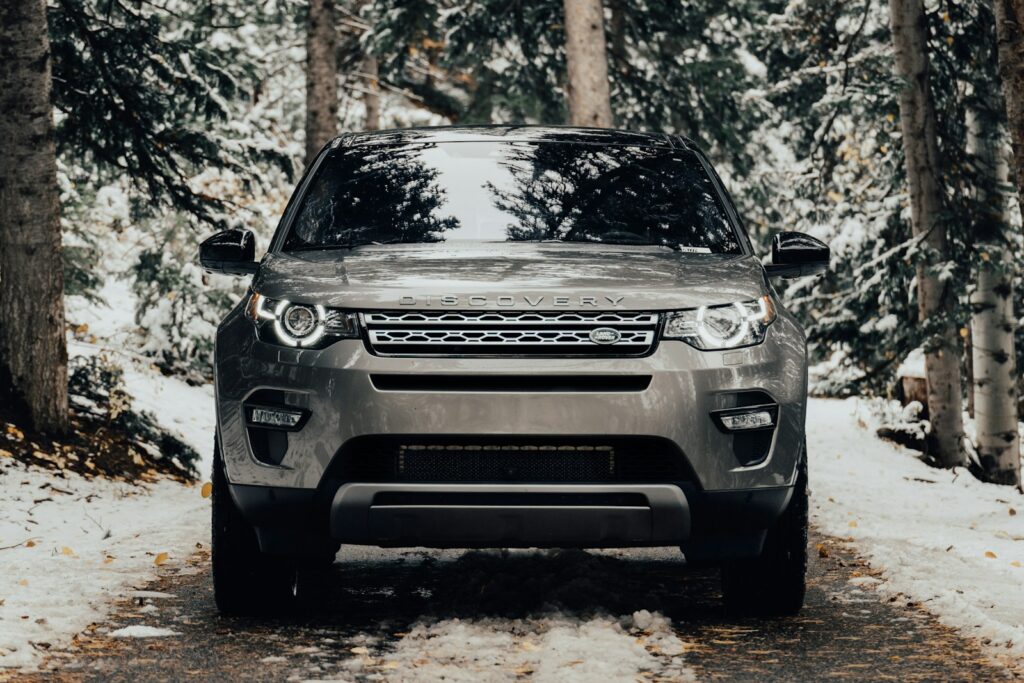
It wasn’t smashed or cloudy. It was just… off. The left headlight sat a little higher than the right, like the SUV was raising one eyebrow at her, and the trim around it didn’t sit as flush as the other side.
She pointed it out casually, expecting the usual dealership shrug. The salesman leaned in, did that half-squint people do when they want to look like they’re taking you seriously, and said it was probably “just a mounting clip” or “a normal adjustment.” He even tapped the housing with his knuckles like that settled the matter.
But she couldn’t unsee it. The gap looked like someone had put the front end back together in a hurry, and the paint on the bumper seemed ever-so-slightly different in tone, like it had been blended. It was subtle enough that most buyers would’ve been distracted by the clean interior and the promise of low miles.
Still, she asked if she could take it to an independent mechanic for a pre-purchase inspection. The salesman’s smile didn’t vanish, but it got tighter, like a drawstring. “Sure,” he said, “but it’s a great vehicle. There’s really no need.”
The Inspection That Started Getting Weird
The mechanic didn’t even put it on the lift before he started making a face. He walked around the front, ran his fingers along the seams between the fender and the hood, and paused at the headlight like he’d found the punchline to a joke nobody else heard.
Once it was on the lift, things got less “hmm” and more “what the hell.” The mechanic pointed out fresh-looking fasteners mixed with older, rustier ones, the kind of mismatched hardware that screams this was taken apart. Behind the bumper, the reinforcement bar looked newer than the rest of the underside, and some of the plastic shrouds didn’t sit where they should.
He didn’t say “wreck” immediately. He said “front-end work,” which is mechanic code for “I’m trying not to scare you until I’m sure.” Then he asked her if the dealership said it had never been hit, and when she nodded, he let out a slow breath through his nose.
“It’s been hit,” he said, finally. “Hard enough to replace stuff that doesn’t get replaced unless it’s hit.”
Where the Airbags Went
She could’ve stopped there, but she didn’t. She asked him to check the airbags, because that’s what you do when you’re suddenly staring at the possibility that the car’s “clean history” is more of a vibe than a fact.
He plugged in his scan tool, and the SUV’s dashboard lit up like it was about to confess something. No airbag warning light was on—which should’ve been comforting—except the mechanic didn’t look comforted. He started digging through the system menu, checking codes and modules, and then went quiet in a way that made her stomach drop.
When he popped the steering wheel airbag cover, it wasn’t reassuring, either. The cover looked normal from the driver’s seat, but the mounting and the internals didn’t. The passenger side was worse: signs of tampering, missing or incorrect fasteners, and a space that didn’t look like it had the right equipment behind it.
He told her what he thought was going on: either the airbags had deployed in a crash and weren’t properly replaced, or someone had swapped in junk parts and suppressed the warning light to make it seem fine. In other words, the exact nightmare scenario people joke about online until it’s their money on the line.
She sat on the waiting-room chair, staring at the free coffee station like it had personally betrayed her. The SUV wasn’t just cosmetically questionable. It might be unsafe in the one moment you actually need it to protect you.
The Dealership’s Story Starts Changing
She went back to the dealership with the mechanic’s notes and that adrenaline-fueled calm people get when they’re trying not to explode in public. The salesman met her with the same practiced friendliness, but now his eyes kept flicking toward the papers like they were a live snake.
She didn’t accuse at first. She asked, again, why they told her it had never been in an accident. The salesman said the report showed no accidents, and that’s what they go by. When she mentioned the rebuilt front-end parts and the airbag concerns, his face shifted from “confident” to “I need my manager.”
The manager came out with the tone of a man who’s been trained to sound reasonable while saying nothing. He said they “weren’t aware” of any prior damage beyond “minor cosmetic work.” He suggested maybe the previous owner hit a deer, maybe it was repaired “professionally,” maybe the mechanic was being overly cautious.
She asked a simple question: if it’s so minor, why doesn’t it show up clearly in your paperwork, and why did your guy say “never been in an accident” with his whole chest? The manager’s answer was basically that they can’t know everything about every used car, and their descriptions are “to the best of their knowledge.”
That’s the moment she realized they weren’t going to admit anything unless she walked in holding a smoking gun. And she didn’t have one yet—just a crooked headlight, a mechanic’s suspicions, and the feeling that she’d been herded toward a bad decision.
Crash Photos: The Part They Didn’t Expect
Instead of arguing in circles, she went home and started digging. Not in a “CSI: Used Cars” way at first—more like the irritated, determined spiral people fall into when something doesn’t add up.
She ran the VIN through a couple of different databases, not just the one printout they’d handed her like it was gospel. One of the results was a cached auction listing. Not current, not obvious, not something a casual shopper would stumble across—just a dusty corner of the internet where damaged vehicles go to be bought, fixed, and reborn with a “clean” story.
The listing had photos. Lots of them.
Front end crushed in, hood buckled, bumper torn open like a peeled can. The left headlight wasn’t just crooked—it was missing, and the surrounding metal looked like it had been folded back and hammered out. There were even interior shots where the steering wheel airbag area looked disturbed, the kind of detail you don’t appreciate until you’re staring at it with your own situation in mind.
And then the kicker: the listing mentioned “rebuilt” right there in the description, along with terms like “prior damage” and “repair needed.” It wasn’t a mystery. It wasn’t a deer. It wasn’t a harmless parking-lot tap. It was a vehicle that had been hit hard enough to end up at auction, photographed like a crime scene, and then put back together for resale.
She printed everything. Screenshots, URLs, the whole chain of evidence, because she knew exactly what would happen if she showed up with only her phone and a trembling finger hovering over “refresh.”
When she returned to the dealership, the manager’s tone changed again—less smooth, more stiff. He didn’t say “fake,” but he danced around it, implying that photos online can be misleading, that VINs can be mistyped, that auctions can list things incorrectly. She pointed out the VIN matched, the damage matched the headlight side, and the repairs matched the mechanic’s findings.
They offered to “look into it” and “talk to their used-car department,” which sounded a lot like “please leave so we can decide what version of the truth we’re going to stick to.” She asked if they were willing to put in writing that the SUV had never been in an accident, the same way they’d said it out loud. The manager didn’t touch that request with a ten-foot pole.
She didn’t buy the SUV, obviously, but the part that stuck with her wasn’t just the near miss. It was how quickly the story flexed—“never,” to “not that we know of,” to “minor,” to “who can say”—depending on how much she could prove at that exact moment. The crooked headlight was just a crooked headlight until it wasn’t, and the photos she found didn’t just expose the vehicle’s past; they exposed how comfortable the dealership was letting someone else drive into it blind.
More from Steel Horse Rides: