

They’d been on the road for three days, the kind of vacation where you stack national parks like trading cards and tell yourself you’re “being spontaneous” even though the trunk is packed like a moving van. The driver—Evan—was the self-appointed logistics guy: playlists, fuel stops, timing the sunrise hikes. He also had that particular confidence some people get when they’ve watched two YouTube videos about “basic car stuff” and decided they’re basically a mechanic now.
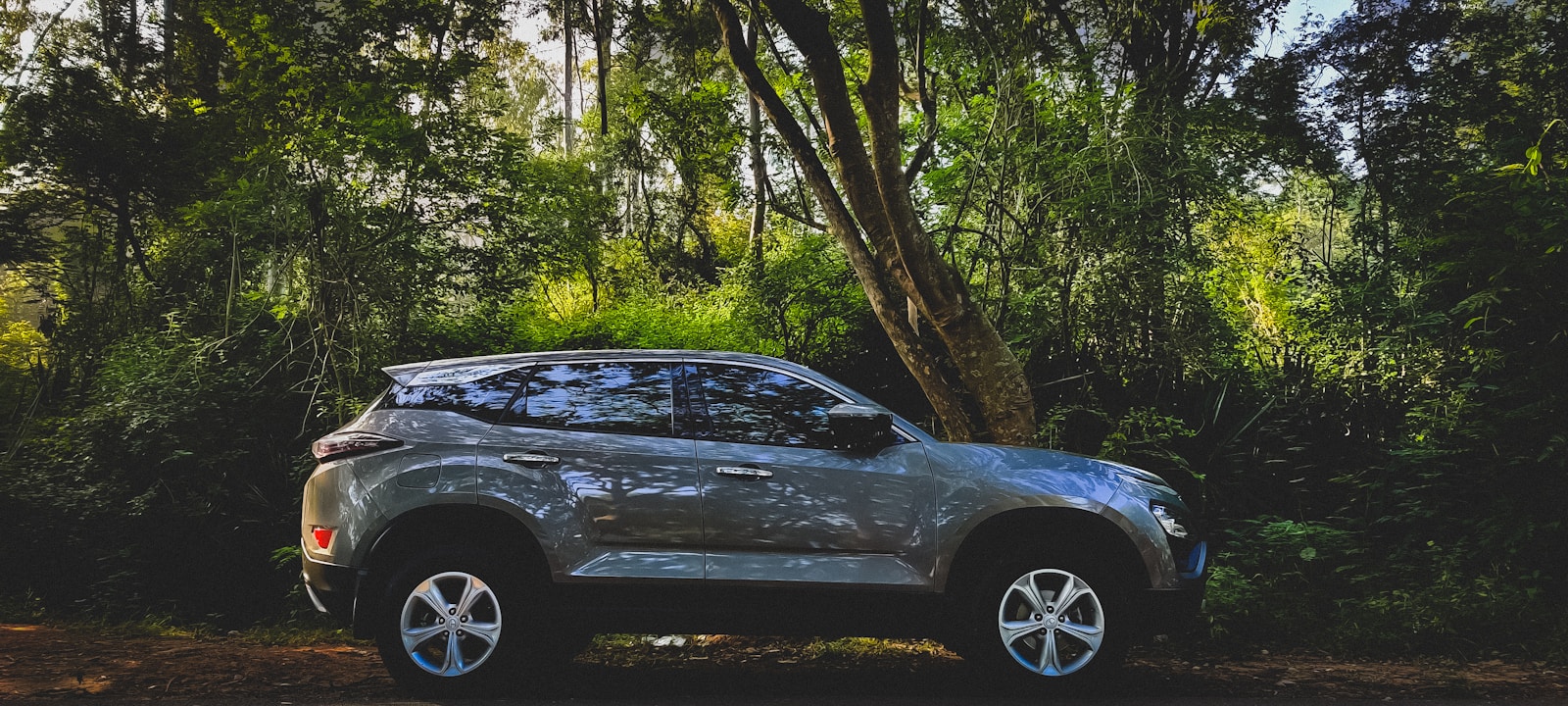
The car was a mid-size SUV with decent miles and a couple of quirks everyone pretended not to notice. It had made it through mountain grades, long desert stretches, and one sketchy gravel detour Evan swore was “totally fine.” His girlfriend, Marissa, rode shotgun with the snacks and the map app, and his brother Caleb sat in back with their friend Tessa, half asleep and periodically waking up to ask how much longer.
Somewhere after lunch, the temperature gauge started creeping up. Not a full redline, not steam-belching drama—just that subtle, stubborn climb past where it normally sat. Marissa noticed first because she was the only one looking at anything besides the road and Evan’s posture of absolute certainty.
The Needle Starts Moving, and So Does the Denial
Marissa tapped the dash and said, “Hey, your temp’s going up.” Evan glanced like it was an annoying notification. He shrugged and said something along the lines of, “It’s hot out, we’re climbing, it’ll settle.”
Ten minutes later, it didn’t settle. The needle hovered higher, then higher again, and the AC started doing that weak, apologetic thing where it’s technically blowing but nobody’s getting cooler. Caleb leaned forward from the backseat to see the gauge and asked if they should pull over, and Evan hit them with the same logic he’d used for the gravel road: “It’s still moving.”
The thing about a rising temperature gauge is it doesn’t feel urgent the way a flat tire does. There’s no thump-thump-thump, no sudden pull to the shoulder, just a slow indicator that something expensive is being cooked one degree at a time. Evan treated it like a suggestion, like the car was being dramatic.
The $40 Hose That Was Practically Begging to Be Found
They did stop once—sort of. Evan pulled into a tiny gas station that had one pump working and a sun-faded rack of windshield wiper fluid, and he popped the hood like he was about to solve the whole thing through body language.
There was coolant residue dried along one side of the engine bay, the kind of crusty white/pink trail that screams “leak” even to non-car people. Tessa spotted it and said, “Is that supposed to be there?” Evan poked around with a paper towel, found a damp spot near an upper radiator hose, and decided it was “probably just overflow” because the reservoir looked low and he didn’t see a dramatic drip.
Marissa suggested they buy coolant and top it off, which they did, because that felt productive without requiring a decision. They added a bottle, stood around while the engine idled, and watched the gauge like it was going to apologize and behave. It dropped a little at first, which Evan took as vindication, and then it climbed again the moment they got back on the highway.
There was a real fix sitting right there: a failing hose or a clamp that needed tightening, a small part that most auto stores carry for something like forty bucks. The problem was they weren’t near an auto store, and Evan didn’t want to turn a vacation day into a repair day. So they kept driving on a car that was telling them, in the least subtle way possible, that it was running out of forgiveness.
“Just Make It to the Next Town” Turns Into “What Town?”
The scenery got emptier in that particular way where the map looks like it forgot to load the details. The cell signal flickered between one bar and none, and the road signs started measuring distance in big, rude numbers. Caleb asked how far the next town was, and Marissa read it off: eighty-something miles to anything with services.
Evan did the mental math out loud like he could argue with physics. “We’ll just take it easy. No hard acceleration. If it gets worse, we’ll stop.” The needle was already flirting with the red, and the car had started to smell faintly sweet and hot, like overheating coolant trying to become a bigger problem.
Then the warning lights came in—one, then another—because modern cars don’t like being boiled. The engine power felt weird, like it was hesitating. Marissa told him to pull over now, not in ten minutes, and Evan snapped back with irritation, not because he had a plan, but because he hated being told he didn’t.
They did finally pull onto the shoulder, which was less “safe turnout” and more “a strip of gravel next to open nothing.” Evan shut the engine off and said they’d let it cool, like overheating is a mild inconvenience. Under the hood, the coolant reservoir was lower again, and there was a damp line along the same hose, now looking more like an active leak than “probably overflow.”
The Moment the Engine Decides It’s Done
After about twenty minutes, Evan tried starting it, because of course he did. It cranked slow, caught, and for a brief moment it sounded almost normal. He took that as a green light, and the car rolled back onto the road like a patient being forced out of bed too early.
It made it maybe five miles. The temperature needle climbed fast this time, not creeping but sprinting, and the engine started making a dry, metallic noise that nobody could pretend not to hear. Caleb said, very quietly, “Dude,” in the tone people use when they’re watching a mistake become permanent.
Then it happened: a lurch, a sudden loss of power, and the engine just… stopped. Evan tried the key again and got nothing but a heavy click and a sickly half-turn, like the motor was stuck. The phrase “engine seized” wasn’t said right away, because people don’t like naming expensive realities, but it hovered in the car like smoke.
They sat there for a second in that stunned silence where everyone’s brain is rewinding the last hour, looking for the moment they could’ve chosen differently. Marissa stared straight ahead, jaw set, and then asked, “Why didn’t you just pull over when I told you?” Evan didn’t answer, because there wasn’t an answer that didn’t sound like “because I didn’t want to.”
Tow Trucks, Remote Fees, and the Price of Stubborn
Getting help turned into its own nightmare. No signal meant they had to wait for a car to pass and hope someone would stop, and the few that did were sympathetic but not equipped to haul an SUV out of nowhere. Eventually they got a call through by standing on a slight rise like they were searching for radio waves in 1999.
The tow company on the other end didn’t argue; they’d heard this story before. Yes, they could come. Yes, it would take hours. And yes, it would cost an amount of money that made everyone in the car look at Evan like he’d personally invented remote towing fees out of spite.
When the tow finally arrived, the driver took one look and asked what happened. Evan mumbled something about it “running hot” and “then it died,” and the tow guy gave him the kind of stare that says he’s trying not to be rude. He checked the oil, checked the coolant situation, and didn’t have to do much detective work to tell them the engine was likely cooked.
The numbers piled up fast. The tow to the nearest town. The diagnostic at a shop that was busy but willing to squeeze them in because stranded tourists are reliable business. Then the call: blown head gasket, warped components, likely full engine replacement. The estimate landed around $14,000, the kind of price tag that turns a vacation into a financial event.
Meanwhile, the original problem—the hose—was right there in the shop’s first inspection notes: coolant leak from a deteriorated upper radiator hose and clamp. Parts cost: around forty bucks. Labor would’ve been reasonable if they’d caught it before the engine ran dry and hot enough to weld itself internally.
And that’s where things stayed messy. Evan went into defensive mode, insisting it was bad luck, that the car “should’ve warned him more,” that it didn’t seem that serious until it was. Marissa wasn’t having it, because she’d watched the warning happen in real time and get brushed off with “it’s still moving.”
They had to figure out whether to rent a car and continue the trip with a cloud hanging over everything, or limp home early and deal with the fallout in their driveway instead of a motel parking lot. Nobody wanted to say it, but the real disaster wasn’t just the engine—it was the way the group’s dynamic changed when Evan’s confidence stopped looking like leadership and started looking like stubbornness with receipts.
The last detail that stuck with everyone wasn’t even the $14,000 estimate, though that number echoed through every conversation for the rest of the week. It was the memory of that gauge climbing and Marissa pointing it out again and again, each time getting the same dismissal. Because now the car wasn’t still moving, and neither was the argument about who was going to pay for the consequences.
More from Steel Horse Rides: