

She thought she was doing everything right. Landed, grabbed her bags, made it to the rental counter with that slightly fried “I’ve been traveling since dawn” face, and gave them her reservation like a responsible adult. All she wanted was a basic, boring SUV for a week of tourist stuff—coastal drives, parking lots, maybe one ill-advised scenic overlook that required faith and a three-point turn.
The desk agent did the familiar routine: tap-tap on the keyboard, polite smile, a little squint at the screen like the computer was being difficult on purpose. Then came the surprise, delivered with the casual cheer of someone handing out mints. They were “out of her class,” but good news—she was getting a “free upgrade.”
Upgrades are the kind of thing you accept without thinking too hard, because declining feels like refusing a compliment. She signed what they put in front of her, got pointed toward the lot, and walked out feeling like she’d won a tiny travel lottery. That feeling lasted about forty-five minutes.

The “Free Upgrade” That Came With a Vibe
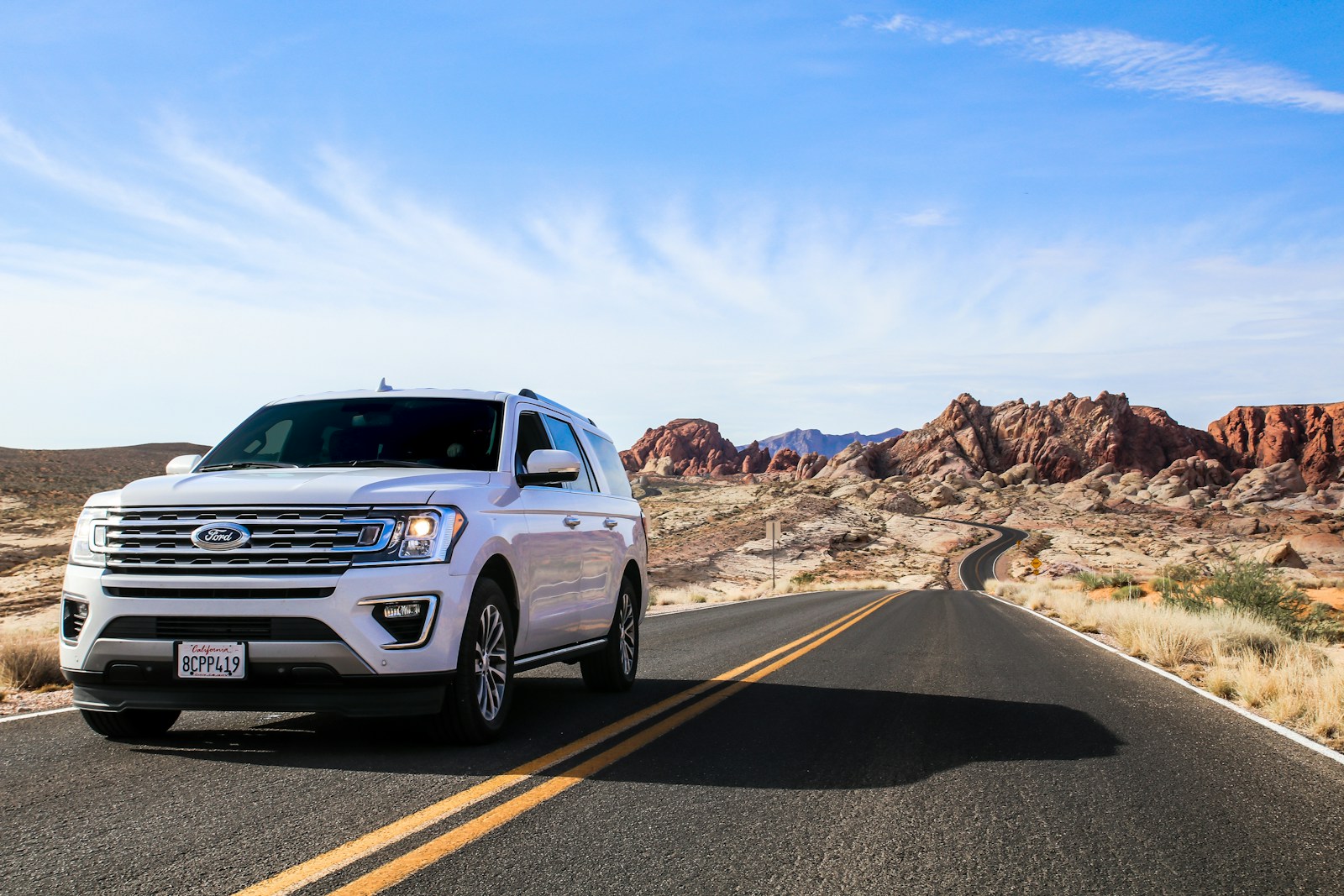
The upgraded SUV was massive in a way that made it look like it had its own zip code. It wasn’t some rugged, dusty off-road beast either—it was the shiny, corporate kind of big, like it was meant to shuttle executives to a golf retreat. She clocked it immediately: this thing would be a pain to park, but whatever, it was supposedly free.
Still, she did what a lot of seasoned travelers do now: she pulled out her phone and started filming a slow walkaround. Not a dramatic production, just a steady, boring video of each panel, each rim, the windshield, the roofline, the bumpers. It’s the kind of habit you get after hearing one too many horror stories about “pre-existing damage” that somehow becomes your responsibility.
As she circled the SUV, she noticed scuffs on one side—long, pale scratches that looked like someone had met a concrete pillar and tried to pretend it never happened. She paused on them, zoomed in, and you can practically picture her thumb hovering over the “end recording” button while her brain ran the math of “how much trouble can this become.” She went back toward the little booth by the exit to flag it.
An employee stepped over, glanced at the scratches, and didn’t act surprised at all. He pointed right at the damaged area, like he’d seen it a hundred times, and gave the sort of shruggy reassurance that makes you want to trust him even when your gut’s whispering not to. He told her it was already in the system, nothing to worry about, and waved her along like she was holding up the line.
Vacation Mode, Until the Email Hits
For the next several days, the SUV was just… a car. It hauled beach towels and daypacks, got sand in the floor mats, sat in sunbaked parking lots, and survived the usual tourist driving—roundabouts, wrong turns, and that one moment where a lane suddenly becomes “right turn only” with no warning. She wasn’t joyriding, wasn’t scraping anything, wasn’t even taking it anywhere remotely sketchy.
When it was time to return it, she went through the usual drop-off dance: pull into the lane, hand over the keys, confirm the mileage, answer “no” when they ask if there were any issues. The return employee did a quick walkaround with that half-interested pace like he was scanning for something obvious, then nodded and said she was good. She left the lot feeling like it was one of the rare transactions that ended cleanly.
The next part always lands like a sucker punch because it arrives when you’re back in regular life. She’s home, unpacking, doing laundry, getting sand out of places sand shouldn’t exist. Then an email hits her inbox from the rental company with the kind of subject line that makes your stomach drop before you even open it.
They claimed there was “new damage” to the SUV. Not only that, they attached photos of the exact scratches she’d noticed at pickup, the ones the employee had pointed at, the ones she’d been told were already documented. The total they demanded wasn’t a couple hundred bucks either—it was $6,700, broken down into repair, processing fees, and lost use like the vehicle was a priceless artifact that couldn’t possibly sit on the lot for a day.
The Back-and-Forth Spiral
She called, because nobody pays $6,700 off an email without a fight. Customer service did that polite-but-solidly-wooden routine where they repeat the same phrases in slightly different arrangements. They said the damage wasn’t marked on her agreement, so it had to be her responsibility, and if she disagreed she could “submit documentation.”
So she submitted documentation. She sent the pickup video, a couple of still frames, and a detailed description of the conversation at the lot—time, location, who she spoke to, what he said. It felt like one of those moments where you think, “Okay, I have proof, so this will be annoying but quick.”
It wasn’t quick. The company’s responses came back like they hadn’t watched anything. They asked for more angles, more timestamps, more “evidence,” and kept talking like the damage was discovered at return. She’d reply with the same calm insistence, and they’d reply with the same canned language, like she was arguing with a wall that occasionally emailed her.
Then the money part got real. They mentioned sending the balance to collections if she didn’t pay within the window. That’s when it stopped being an irritating corporate mistake and started feeling personal, like a stranger had decided to ruin her credit score as a hobby.
The Moment in the Video They Didn’t Expect
She went back to her footage and watched it like a detective, not a tourist. Frame by frame, she tracked the timeline: her walking up, the scratches clearly visible, the audio of her talking to the employee, the background noise of cars and distant announcements. And then she noticed what made her sit up straight.
The employee didn’t just glance at the scratches. In the video, he walks into frame and points directly at the damaged area with a clear, unmistakable gesture, the kind you can’t explain away as “maybe he meant something else.” It’s not subtle—his finger lands right near the worst scuff, and he holds it there like he’s demonstrating a feature.
And because her phone automatically stamps metadata, the time on the video lined up with the pickup window. It wasn’t “sometime during the trip,” it wasn’t “after return,” it was literally at the lot, before she’d even driven away. The kind of proof that takes the whole argument from “he said/she said” to “why are you still emailing me.”
She sent a new message to the company with that specific segment clipped, plus screenshots with the timestamp visible. She didn’t write a novel, just something blunt and controlled: the damage is pre-existing, your employee acknowledged it on camera at pickup, and I’m not paying for it. If they wanted to keep pushing, they’d be pushing against a piece of evidence that could be played in front of anyone with eyes.
How the Company Pivoted Without Apologizing
The tone shifted fast, but not in a satisfying way. Instead of “we’re so sorry,” the response read more like, “We’ve reviewed your submission and will be conducting an internal assessment.” It’s that corporate trick where they don’t admit error, they just move the problem into a different folder.
They asked for her rental agreement again, the reservation number again, the same things she’d already sent twice. It felt less like a legitimate process and more like stalling, the kind of stalling that counts on a customer getting tired or scared and paying to make it stop. She kept everything in writing and refused to talk on the phone unless they emailed a summary afterward.
Eventually, they stopped demanding payment in the same aggressive way, but they also didn’t give her the clean closure she wanted. No clear “damage charge reversed,” no confirmation that the claim was dropped, just vague notes about “review” and “case status.” The threat of collections didn’t vanish so much as hover at the edge of the conversation, like they wanted her to feel it without saying it outright.
Meanwhile, she’s stuck living in that awkward limbo where she has ironclad proof and still has to defend herself like she’s on trial for the crime of renting a car. She’s thinking about how easily this could’ve gone the other way if she hadn’t recorded that walkaround, or if the employee hadn’t wandered into frame and pointed like he was labeling a diagram.
The wild part is that the video doesn’t just show damage—it shows acknowledgement, the exact thing rental companies always claim they never got. And even with that, she’s still spending her time forwarding emails, saving PDFs, checking her credit report like it’s weather. The SUV was a “free upgrade,” sure, but the price tag they tried to slap on it didn’t feel like an accident—it felt like a test to see if she’d fold, and the only reason she didn’t is because her camera caught a finger landing right on the scratch they swore wasn’t there.
More from Steel Horse Rides: