
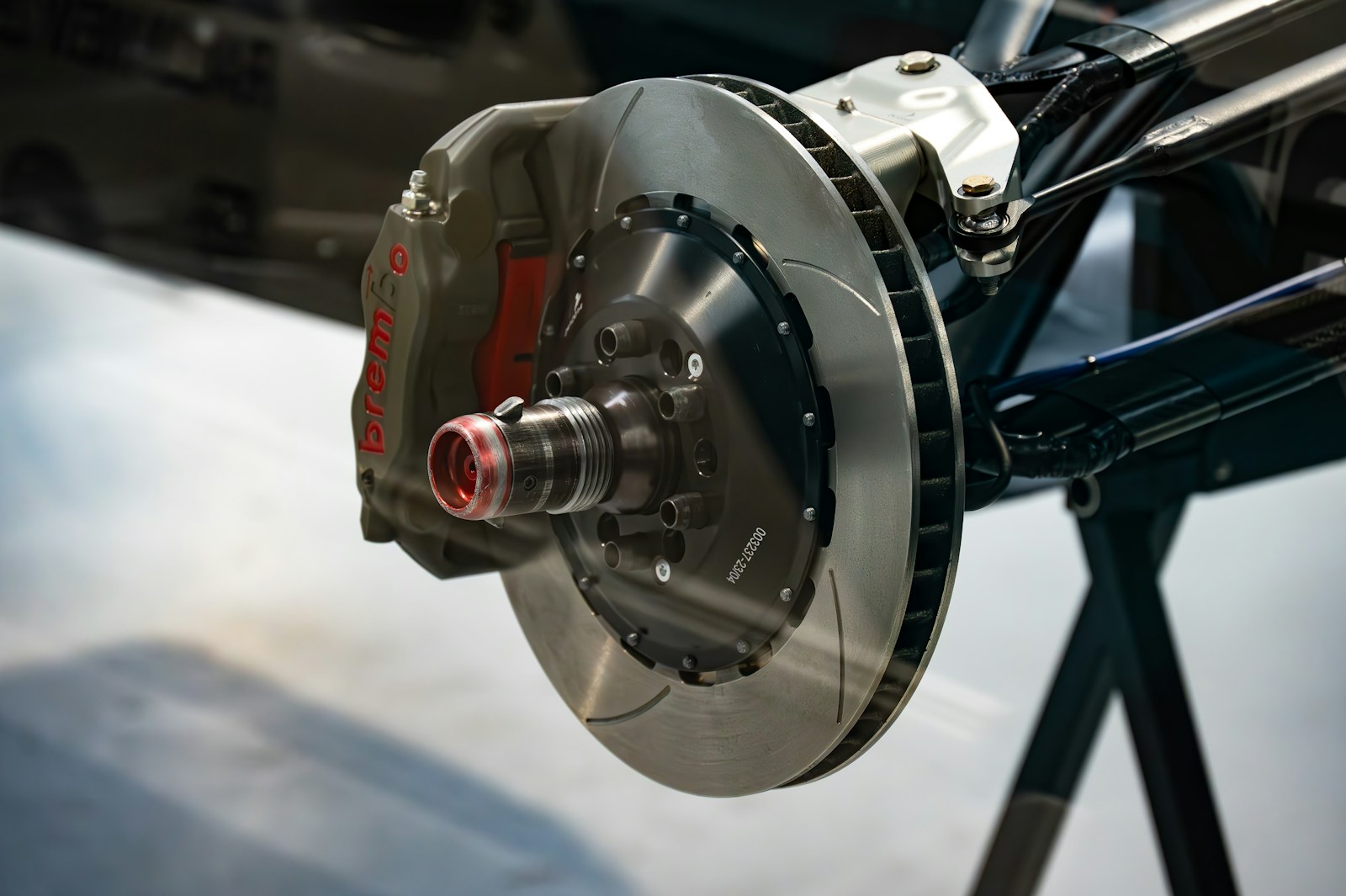

She noticed it the way most people do: a little squeal at first, only when she backed out of the driveway. Then it turned into that dry, metallic scrape that makes your shoulders creep up toward your ears, because you know brakes aren’t supposed to sound like a shopping cart getting dragged across concrete.
So she did the responsible thing and booked an appointment at the shop she’d used before. It wasn’t some sketchy back-alley place, either—clean waiting room, friendly front desk, the kind of spot that texts you a link to a “vehicle health report” with little green check marks. She dropped the car off, explained the noise, and waited for the call that would tell her how much this was going to hurt.
The call was almost… relaxing. They told her the brakes looked fine, there was “plenty of life left,” and she’d be safe for another six months. They suggested she might be hearing “normal brake dust” or maybe something seasonal, but nothing urgent. She drove away feeling slightly foolish for worrying, but also relieved, because brakes are one of those expenses that always show up at the worst time.
The noise doesn’t go away—it gets personal
For a couple days she tried to accept the explanation. She turned up the radio. She told herself she was just hyper-aware now, listening for something that wasn’t actually dangerous. But the sound didn’t just stick around—it got louder, sharper, and more consistent, like the car was insisting she stop ignoring it.
Then it started doing the thing that really messes with your head: it felt different under her foot. Not dramatic, not “the pedal went to the floor,” but a little gritty, like the braking wasn’t smooth anymore. She found herself leaving more space at stoplights, rolling up slower, planning routes with fewer hard stops like she was trying to negotiate with her own vehicle.
The part that made her angry wasn’t even the noise. It was the memory of that calm phone call, the casual “six months,” like they’d patted her car on the hood and sent it back out into traffic. She wasn’t trying to be paranoid, but she couldn’t shake the feeling that either they didn’t check properly or they didn’t care.
Second shop, different vibe
She ended up at a different shop mostly because she wanted a second set of eyes without the baggage. This place didn’t have fancy texts or a bright lobby; it was more practical—phone ringing, grease smell, a counter cluttered with receipts and pens that didn’t work. When she described the sound, the person behind the counter didn’t reassure her. They just nodded like they’d heard that exact sentence a thousand times.
A tech took it for a short drive around the block. He came back with his face doing that neutral-professional thing, but his body language had shifted. No small talk, no “probably nothing,” just a quick, “Let’s get it up in the air.”
She waited, scrolling on her phone, watching through the window as the car lifted. There’s a specific kind of dread that settles in when mechanics start moving fast but not panicked. It’s the sense that the problem is both real and expensive, and you’re about to find out which one is worse.
“Come here. I want to show you something.”
Instead of a phone call from the lobby, the tech came to the waiting area and asked her to step into the bay. That alone spiked her pulse, because shops don’t usually invite you back unless they’re either upselling or genuinely concerned. He wasn’t smiling, and he wasn’t trying to scare her—he just looked like someone who’d opened a fridge and found the milk already crawling.
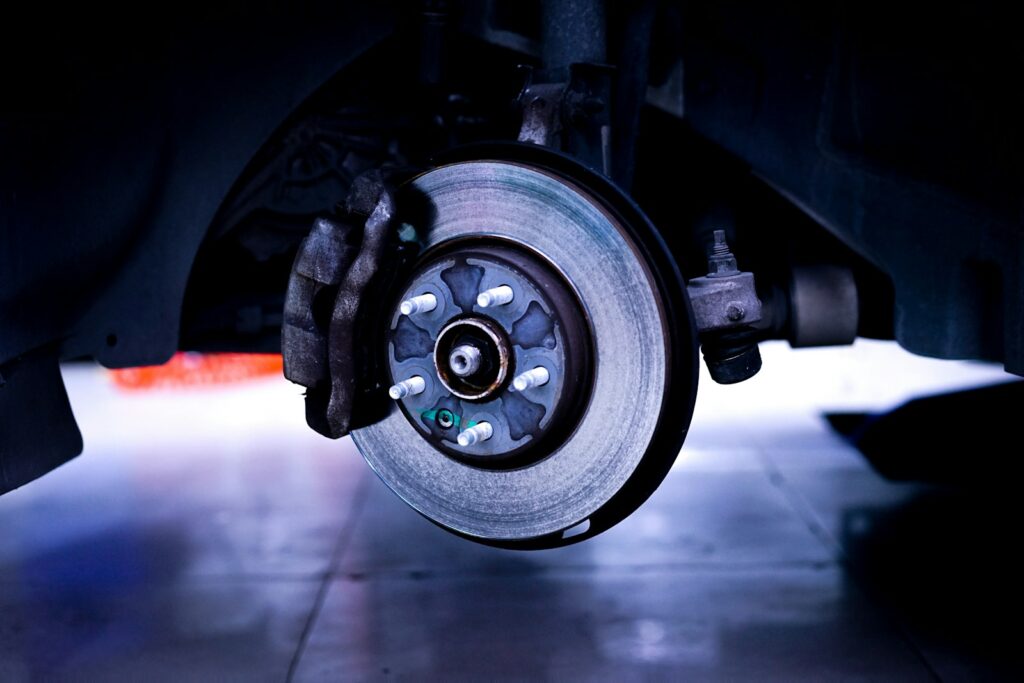
He took off one of the wheels and pointed with a gloved finger like a teacher trying to be very calm around a student who’d done something dangerous by accident. The brake pad on one side was basically gone—like, not “worn thin,” but “disappeared.” The backing plate had been grinding metal-on-metal against the rotor, and the rotor itself wasn’t just scored; it was carved down so deeply it looked, in his words, “like it’s been machined by anger.”
Then he angled the light so she could see the edge of the rotor. The thing looked unnaturally thin, like it had been shaved down unevenly. He told her the rotor was cut nearly in half, and suddenly that earlier “you’ve got six months” turned into a sick joke that could’ve ended with her not being able to stop.
She stood there staring at it, trying to reconcile how something that bad could exist on a car that was just declared “safe.” The tech didn’t rant or swear; he just explained that once pads wear down to nothing, the metal backing eats the rotor fast. The longer you drive like that, the more you’re gambling with stopping power, heat buildup, and parts failing in ways that don’t give you a warning squeal—they just give out.
The timeline starts to look ugly
Back in the lobby, she pulled out the receipt from the first shop like it might contain a hidden apology. It didn’t. It had a line item for an inspection and a note that the brakes were “OK,” which now felt less like documentation and more like a liability landmine.
She called the first shop from the parking lot because she was too angry to drive away and cool off. She didn’t scream, but she didn’t sugarcoat it either: she told them another shop had removed a wheel and found a missing pad and a rotor dangerously worn down. There was a pause on the line—long enough that you could feel someone deciding which script to use.
The first person she reached did the classic deflection loop: maybe it happened after the visit, maybe she hit something, maybe the other shop was exaggerating, maybe she misunderstood what “safe” meant. She told them she’d been hearing the noise before she came in, she’d described it clearly, and the sound never stopped. The “maybe”s didn’t land because the physical evidence was sitting right there, and it wasn’t ambiguous.
When she asked if they wanted pictures, the response shifted slightly from dismissive to careful. Not apologetic—careful. They offered to “take another look,” which sounded less like help and more like an attempt to pull the car back into their building where they could control the narrative.
Damage control doesn’t fix metal
The second shop laid out the options in plain terms. Best-case scenario, she needed pads and rotors, maybe calipers depending on the heat damage and how the hardware looked. Worst-case scenario, there’d be more: seized components, uneven wear on the other side, or issues caused by driving with compromised braking.
She authorized the work because at that point she wasn’t negotiating with a shop—she was negotiating with physics. While they ordered parts, she kept thinking about the casualness of that first inspection. It wasn’t just a bad call; it was a situation where a basic safety item was either missed entirely or waved off.
And the awkward part was that she couldn’t even tell which version was worse. If they genuinely didn’t see it, that meant their process was broken or their tech didn’t bother pulling wheels when someone complained about a brake noise. If they did see it and still said “six months,” that meant they were comfortable letting her drive away on a failing system because it wasn’t their risk.
She considered what could’ve happened in the gap between shops: a sudden stop, wet roads, someone cutting her off, a highway merge where she needed more braking than usual. She wasn’t imagining movie explosions—just that quiet, awful moment where you press the pedal and the car doesn’t respond the way it always has.
By the time the car was fixed enough to leave, she had a neat stack of paperwork from the second shop and a gross mental image of that rotor edge. She also had a decision waiting for her: whether to go back to the first shop with receipts and photos and demand accountability, or to cut her losses and focus on never handing them her keys again.
She drove home listening to the silence—no squeal, no scrape, just the normal hush of a car behaving the way it’s supposed to. The quiet should’ve been comforting, but it wasn’t. It just made room for the thought that kept circling back: if she hadn’t trusted her gut a second time, she might’ve found out how “safe for six months” sounds when it finally stops working.
More from Steel Horse Rides: