
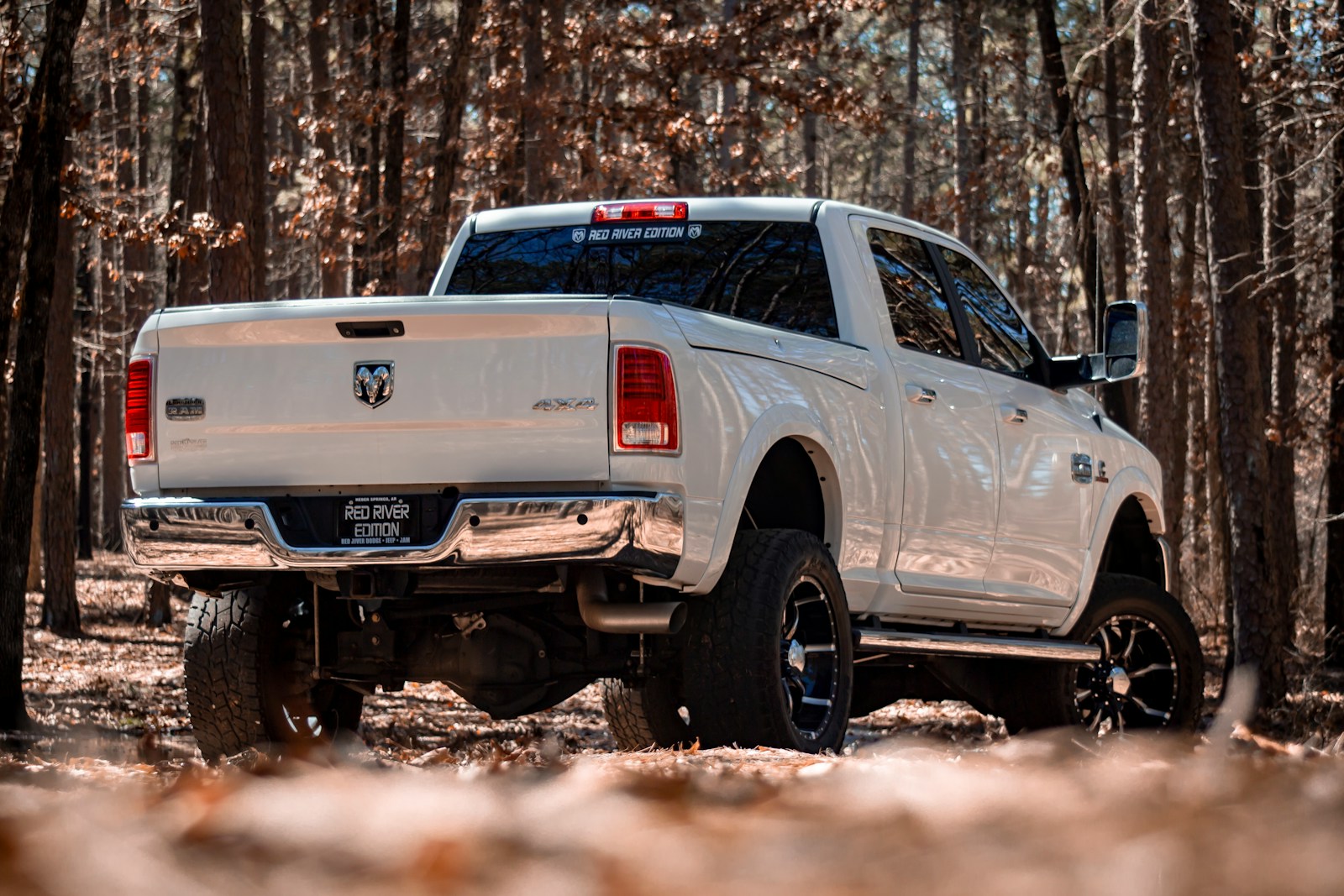

When their dad died, the family did what families do when they’re trying to be practical and kind at the same time: they looked at the stuff he left behind and started quietly assigning meaning to it. The old leather jacket went to the oldest granddaughter who used to steal it. The watch went to the brother who always asked what time it was even while wearing one. And the pickup—his pride and joy, the thing he washed even when it didn’t need it—became the one item everyone tiptoed around.
It wasn’t a flashy truck, but it was “Dad’s truck.” The kind of vehicle that had years of hardware-store receipts in the glove box and a dent in the tailgate from the time he tried to haul a grill that was “definitely going to fit.” While they were still juggling hospice paperwork, obituary drafts, and that weird numb exhaustion, the siblings started having the inevitable conversation: who should get it.
They landed on the youngest son, Mark, mostly because he’d spent the last couple years as the family’s running worry. His car was always breaking down, his rent was always late, and he was always “between things.” Everyone told themselves giving him the pickup would be a way to keep him stable, or at least keep him from calling for rides every other week while they were all grieving.

The “he needs it most” decision
The day after their father passed, the siblings and their mom sat around the kitchen table with coffee nobody drank. They were making lists—who would call which relatives, what clothes to bring to the funeral home, whether Dad wanted the navy suit or the gray one. In between those tasks, the pickup came up like a sore tooth.
The oldest sister, Claire, pointed out that the truck wasn’t just transportation; it was one of the few valuable things their dad owned outright. Their father had been careful about debt, which meant the pickup could have been sold to cover funeral costs or help their mom with the first few months of bills. But Mark looked so tired and small in his chair, and he kept rubbing his eyes like he hadn’t slept in days.
Mark’s pitch was simple: his car had finally died for good, he’d need something to get to job interviews, and he couldn’t afford another vehicle. He said it quietly, with a sincerity that made it hard to push back without looking cold. Their mom, already raw and unsteady, kept repeating, “Your father would want you kids taken care of,” like she was trying to stitch the family together before it tore.
So they agreed, kind of. It wasn’t unanimous excitement, more like a reluctant group nod that felt charitable in the moment. Claire asked, “You’ll keep it, right?” and Mark said yes, obviously, like it was a dumb question.
Handing over the keys while the funeral’s still a draft
They didn’t do anything formal, which was the first mistake they didn’t realize was a mistake. Nobody wrote down terms, nobody talked about waiting until after probate, nobody even paused to think about how emotions can turn “family agreement” into “family lawsuit” in the span of one bad decision. They were just tired and trying to get through the week without collapsing.
Mark got the keys and went out to the driveway with them. He stood there for a minute like he was soaking it in, and his mom’s eyes filled up because she’d watched her husband stand in that same spot a hundred times. Mark promised he’d take care of it and even said something about keeping it “in the family.”
That afternoon, while the rest of them were on the phone with the funeral home and trying to find a photo that didn’t look like it came from a blurry holiday card, Mark drove off in the pickup. Nobody stopped him. Why would they? It was his now, in the emotional, handshake sense.
Claire remembers thinking, briefly, that it was a relief: one less thing to figure out. Their dad’s belongings had become this minefield where every choice felt like it said something about how much they loved him. Giving the truck to Mark let everyone pretend, for a moment, that they’d made a clean, generous choice.
The 24-hour flip
The first hint that something was off didn’t come in the form of a confession. It came as a casual comment from their aunt, who lived across town and had a habit of noticing everything. She texted Claire: “Did Mark sell your dad’s truck? I just saw it on Facebook Marketplace.”
Claire didn’t believe her. She clicked the link anyway and felt her stomach drop before the page even fully loaded. There it was: the pickup, photographed from the exact angle their dad used to take pictures when he’d wax it, listed with a breezy caption about being “well maintained” and “ready for work.” Mark’s phone number was right there under the listing, like he was selling a used sofa.
She called him immediately. Mark didn’t answer. She called again. Still nothing. She sent a screenshot in the family group chat and the messages started coming in fast, overlapping like people talking over each other in a panic.
By the time Mark finally replied—hours later—it wasn’t to reassure anyone. It was a single line: “I needed money. Don’t freak out.” Which, predictably, is how you make a room full of grieving people completely lose it.
What he spent it on (and how they found out)
The family tried to focus on logistics because that’s what grief does to people: it turns into checklists and phone calls and “did we order enough programs.” But the truck had become the loudest thing in the room, louder than the funeral music and louder than the relatives arriving with casseroles. Their mom kept asking where it was, as if maybe it would pull back into the driveway if she asked nicely enough.
Mark finally picked up after their brother, Josh, called him for the tenth time. He sounded irritated, like they were bothering him at work. He admitted he’d already sold the pickup that morning to a guy who “had cash” and “didn’t ask a lot of questions,” which made everyone’s blood run cold in a different way.
Then came the part that turned the argument from ugly to nuclear: Mark wasn’t using the money to pay off debt or fix his life. He’d booked a vacation. Not a “I’m driving to clear my head” trip, but a real one—flights, a resort, the whole thing.
They found out because he didn’t even try to hide it. Mark posted a photo later that night: a suitcase on a bed, a boarding pass peeking out, captioned something like “Needed this.” While their mom was choosing flowers for her husband’s casket, Mark was apparently deciding between poolside drinks.
When Claire confronted him about the post, Mark said he couldn’t deal with the grief and needed “space.” He said the truck was “just a truck” and their dad would want him to “live his life.” It was a stunning argument to make while everyone else was still figuring out whether the obituary should say “passed peacefully” or “passed surrounded by family,” and whether that was even true.
The family meeting that turned into a line in the sand
The next day, the siblings showed up at their mom’s house and tried to keep it calm. They sat around the same kitchen table where they’d handed Mark the keys, except now the air felt sharp and thin. Their mom looked smaller than usual, like someone had turned down her volume.
Josh said Mark needed to give the money back, at least enough to cover funeral costs. Claire didn’t even try to be polite; she told him he’d sold their father’s last “big thing” like it was nothing. Mark kept repeating that he was entitled to it because they gave it to him, and because he “needed it,” and because everyone always treated him like a screw-up anyway.
That’s when their uncle, who had been staying quiet, asked a question nobody had wanted to ask out loud: had they even legally had the right to give Mark the truck yet. Depending on whose name was on the title and how the estate was being handled, it might not have been Mark’s to sell at all. The room went silent in that particular way that means everyone just realized this isn’t just family drama anymore; it could turn into a legal mess.
Mark, hearing that, got defensive fast. He said they were “threatening” him, that they were acting like Dad’s stuff mattered more than Dad. He accused Claire of wanting the truck for herself, which wasn’t true, but it was a useful accusation because it shifted the argument into motives instead of facts.
Their mom finally spoke, voice shaking, and asked Mark why he didn’t wait. Not forever—just until after the funeral. Mark shrugged and said, “It wouldn’t have made a difference.” That was the moment the siblings looked at each other and realized they weren’t arguing about money anymore; they were arguing about whether Mark understood what the rest of them were living through.
They didn’t resolve it in that meeting. They couldn’t. Claire wanted to call the buyer and try to buy the truck back, but nobody knew if the guy would even answer, or if he’d already turned around and sold it again. Josh wanted to talk to the funeral home about payment and then talk to a lawyer, which felt grotesque in the middle of mourning but also weirdly necessary.
Mark left early, saying he had “plans,” and nobody missed him when he walked out. The funeral was still coming, the relatives were still arriving, and their dad was still gone. The pickup—once this sturdy, familiar symbol of their father’s presence—had turned into a reminder that grief doesn’t make everyone softer, and sometimes the person you thought you were helping is the one who’ll take the most and give the least when it matters.
More from Steel Horse Rides: