
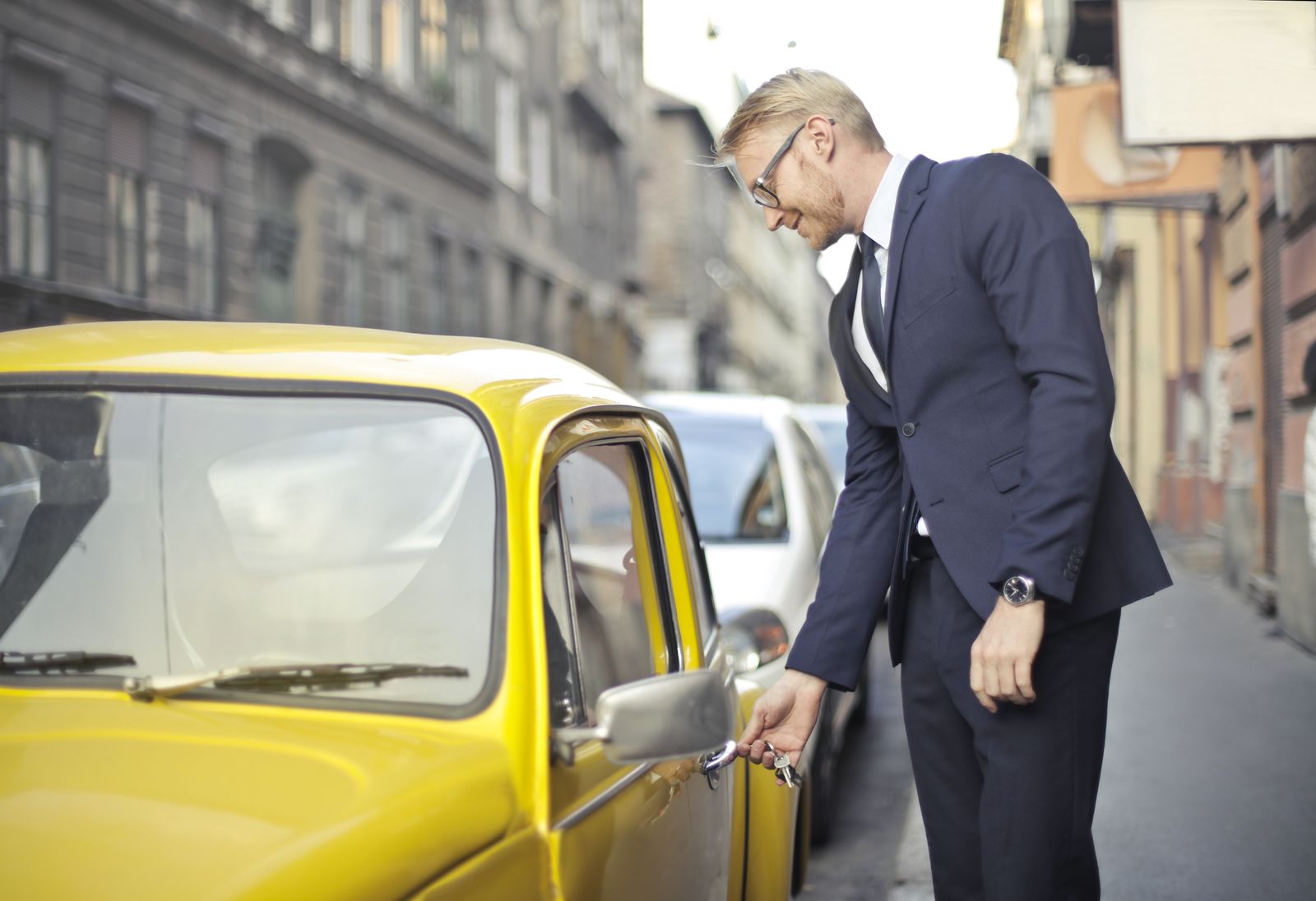

He’d barely made it three steps out of the hotel lobby before his phone buzzed with that familiar little dopamine hit: “Your vehicle has been delivered.” He could already see the car through the glass doors, angled at the curb like it was posing for a photo. For a second, it was the easiest part of his whole night—grab the keys, tip the valet, drive home.
Then he got close enough to smell it. Not exhaust exactly, more like that sharp, cooked-metal odor you get when brakes have been worked hard and put away wet. The front wheels ticked softly, heat bleeding out of the rotors like a campfire cooling down. And when he slid into the driver’s seat, the gauge cluster offered a second punchline: the fuel needle was basically lying on the floor.
He’d dropped it off earlier with a comfortable amount of gas and a mental note that he didn’t feel like stopping at a station on the way home. Now it was blinking low fuel like it was mad at him, and the trip meter—because of course he looked—showed 63 extra miles he hadn’t driven. That’s when the whole interaction at the curb stopped feeling like a minor inconvenience and started feeling like somebody else had been living in his car.
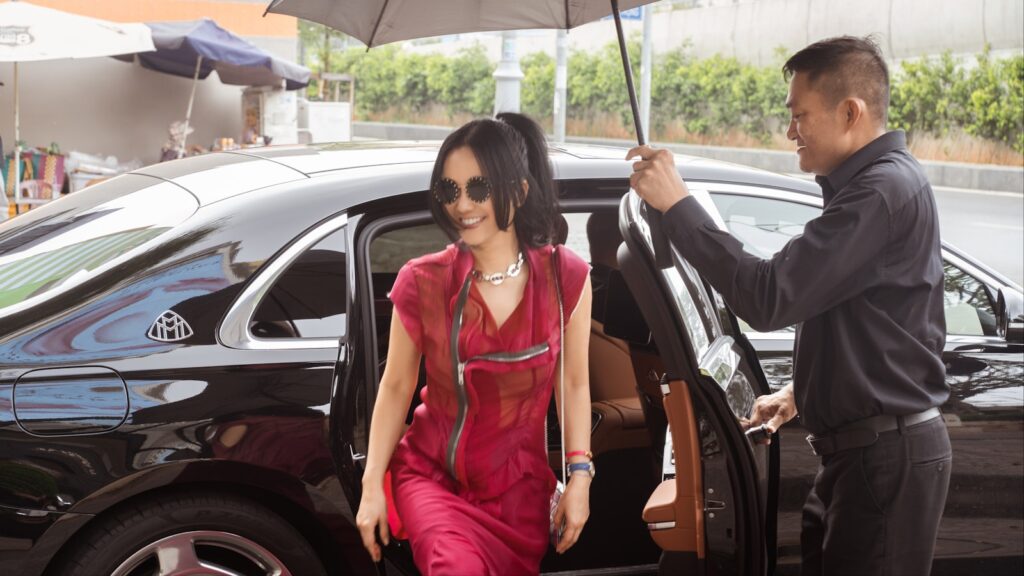
The handoff that didn’t feel right
The valet who brought it up wasn’t doing anything cartoonishly suspicious. He was young, polite, doing that practiced “here you go, sir” routine while already turning his shoulders away like the conversation was over. But the customer—let’s call him Matt—didn’t even have to act like a detective; the car was doing the talking for him.
Matt asked, casually at first, if there’d been any issue bringing it up. The valet gave him the usual shrug: busy night, tight ramp, cars stacked. Matt kept his voice even and pointed at the fuel gauge, like maybe it was a mistake or they’d left it idling for a while.
The valet’s face did that micro-freeze people do when they’re trying to decide how much to say. He laughed once, quick and light, and said something about “these things drink gas,” as if Matt had forgotten what kind of car he owned. Matt didn’t push too hard at the curb because there were other guests waiting and he wasn’t trying to start a scene in front of the doors.
Hot brakes and that sinking feeling on the drive home
He pulled away gently, partly because the car was on fumes and partly because he was listening for anything that sounded off. The brakes still felt normal, but normal brakes don’t smell like they just came off a track day. Every time he rolled to a stoplight, he kept thinking about those faint ticking sounds and what repeated hard stops do to expensive components.
By the time he got to the first gas station, he was already doing the math in his head. Sixty-three miles in a high-performance car isn’t just “oops, we took the long way around the block.” It’s a deliberate decision, it’s time, it’s leaving the property, and it’s coming back like nothing happened.
While the pump ran, he opened the vehicle’s companion app—mostly to check if he’d missed an alert, partly because he needed to know whether he was about to talk himself into paranoia. The app loaded, and the “trip history” section was sitting there like a receipt. He didn’t get a vague location ping or a single timestamp; he got a breadcrumb trail.
The app doesn’t argue with you
The first thing that jumped out wasn’t even the distance. It was the pattern. The app showed repeated “hard acceleration” events clustered together, spaced like someone was doing the same stunt over and over: stop, punch it, slow down, do it again.
Then came the feature Matt didn’t expect to need: performance data. Depending on the car and the app settings, these systems log launches, aggressive throttle inputs, sometimes even traction-control interventions. And there it was, a neat little list of launches—multiple—during the period when the car was supposed to be sitting in a valet garage.
He scrolled further, and that’s when the timing got weird. One of the trips was late, not “took it around the block after dinner” late, but midnight late. The route traced across town, away from the hotel, into a neighborhood that didn’t look like an “oops, wrong exit” detour and definitely didn’t look like a test drive to confirm the car was parked properly.
Back to the hotel, this time with receipts
Matt didn’t sleep much. The next morning, he went back to the hotel with the kind of energy people have when they’re trying very hard to stay calm so they don’t do something dumb. He asked to speak to a manager, not at the front desk with a line behind him, but somewhere private where the valet company couldn’t just brush him off with a smile.
The manager started where managers usually start: apologetic tone, “let’s figure this out,” some version of “our valet service is a third party.” Matt kept it simple. He didn’t accuse anybody of joyriding out loud yet; he just described what he observed—hot brakes, near-empty tank, 63 extra miles—and then he opened the app and turned the screen so the manager could see it.
There’s a specific moment in these conversations where the other person stops treating you like a customer with a complaint and starts treating you like a customer with evidence. The manager’s eyes went from polite to focused. He asked for the timestamps, asked when Matt had checked the car in, and asked if he’d taken screenshots.
Matt had. Of course he had. He’d also taken photos of the fuel gauge and the odometer, because the part of his brain that likes cars also likes documentation.
The valet company’s version of “maybe”
Once the valet supervisor got involved, the vibe changed again. The supervisor didn’t come in hot; he came in careful. He asked if Matt was sure the miles weren’t from earlier in the day, asked if the app could be wrong, asked if someone else on Matt’s account might’ve driven it.
Matt didn’t take the bait. He pointed out that the trips began after he handed over the keys, and that the midnight route was logged as a separate drive with an exact start and end time. He also pointed out that the app recorded launches, which is not something that happens when a car is being “moved for stacking.”
That’s when the supervisor shifted to the soft-denial script people use when they don’t want to accuse their own staff but also don’t want to get caught lying. He said they’d “look into it,” that only authorized employees have access, that their policy forbids personal use, that they take this “very seriously.” He didn’t say, “No one drove it,” because the app had already said someone did.
Matt asked for something concrete: the names of the valets on shift, camera footage from the garage, and whether the hotel could confirm the car’s movements. The supervisor said they’d have to coordinate with hotel security for footage and that it might take time. Matt heard “time” and immediately imagined the footage getting overwritten, the story getting smoothed over, the car’s extra miles becoming a shrug in a week.
Where it leaves him: a car that feels “used” in the worst way
The part that stuck with Matt wasn’t even the gas money. It was the mechanical disrespect of it—launches are hard on drivetrains, repeated hard stops cook pads and rotors, and you don’t need to be a race engineer to understand what happens when someone treats a performance car like a rental with no consequences. Even if nothing broke, it now felt like the car had been stressed in a way he didn’t choose and couldn’t control.
He pushed for reimbursement: the fuel, any inspection costs, and written confirmation of what happened. The hotel was suddenly cooperative in that corporate way, offering to “make it right” without necessarily admitting fault. The valet company stayed cautious, wanting to investigate internally before putting anything in writing.
And the weirdest detail—the one Matt couldn’t stop circling back to—was that midnight trip across town. It wasn’t just spirited driving around empty streets; it looked like someone had a destination. Someone had taken his car somewhere specific, parked it, and then brought it back like they’d borrowed it from a friend.
By the time Matt left that second meeting, he had screenshots, a timeline, and a manager’s business card, but he didn’t have the one thing he wanted: a straight answer about who was behind the wheel. The car drove fine, which almost made it worse, because now every smooth shift and quiet brake felt like it came with a question. If the app could reveal launches and a late-night cross-town detour that easily, it also meant the person who did it probably assumed nobody ever checks—and that’s the part that keeps the whole thing unresolved, sitting there like heat radiating off a set of brakes that never should’ve been that hot in the first place.
More from Steel Horse Rides: