
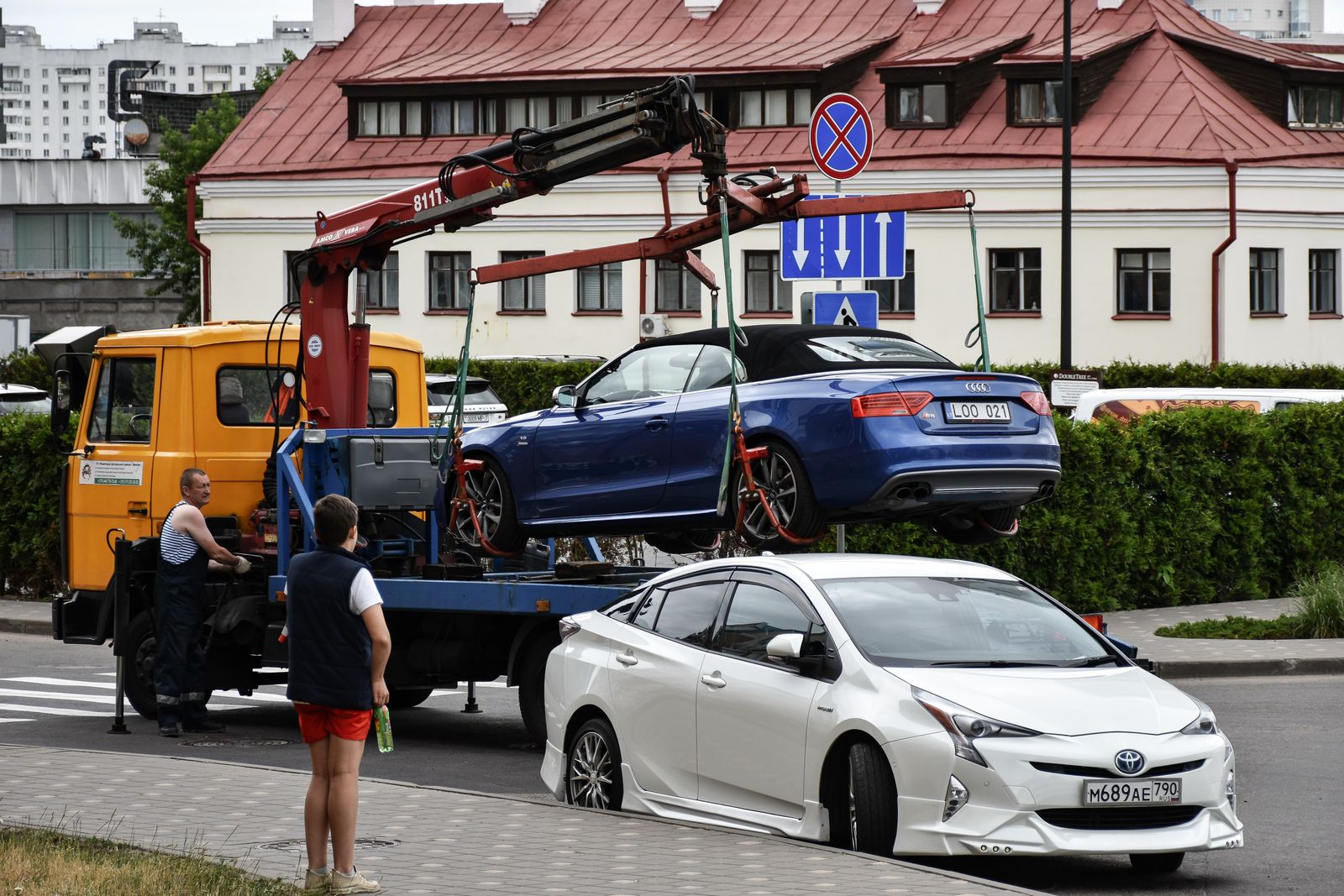

She clocked in for the overnight shift the way she always did: coffee in hand, hair still damp from a too-fast shower, phone already buzzing with unit messages. The parking situation at her apartment complex was one of the few things that didn’t add stress to her life—she paid extra for an assigned spot, and she had the permit because management had drilled it into everyone’s head that towing was “strict.”
So when she stumbled back home the next morning, drained and half on autopilot, the empty rectangle of pavement outside her building didn’t even register as wrong at first. Then her brain caught up. Her car wasn’t just “not there.” It was gone-gone, in the precise way a car disappears when someone with a clipboard decides you’re an exception.
She stood there with her work bag cutting into her shoulder, staring at the spot number painted on the curb like it might explain itself. She checked the other rows. She hit the panic button on her keys because that’s what people do when they’re trying to prove to themselves they’re not losing it. Nothing beeped back.
The “You Were Illegally Parked” Phone Call
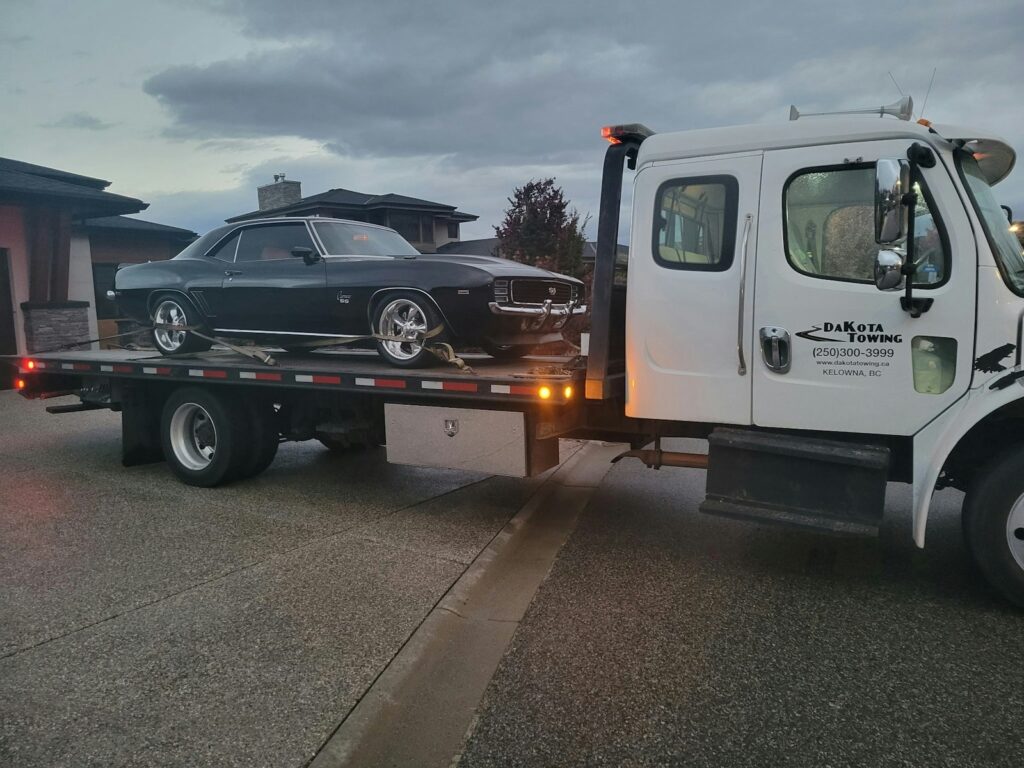
Apartment towing setups usually have one big villain: the sign by the entrance with a tow company number that looks like it was designed by someone who hates drivers. She called it, already rehearsing the argument in her head—assigned spot, paid for it, permit displayed. The woman who answered sounded like she’d had the same conversation a hundred times before breakfast.
Yes, they had her car. Yes, it was towed from the complex. No, they didn’t “see a permit,” so it was treated as unauthorized. The nurse tried to keep her voice level, but it’s hard to stay polite when you’re exhausted and being told you basically imagined the thing you’ve been using for months.
She asked for proof—tow slip, photos, anything. The operator told her they had standard documentation and she could discuss it when she came in. Then came the part that always feels like a shakedown even when it’s “policy”: storage fees were already ticking up, and if she wanted it back, she’d need to show up with ID and payment.
She was still in scrubs. Her shift had ended less than an hour earlier. And now she was being shoved into the classic choice: pay first to stop the financial bleeding, argue later when they’re less motivated to care.
At the Lot, the Paperwork Magically Doesn’t Exist
She got a ride over because she didn’t have a car, obviously, and because she was too tired to trust herself not to start crying in public. The tow yard was exactly what you picture: chain-link fencing, cars packed in like sardines, and an office window that makes you feel like you’re buying contraband instead of retrieving your own property. She pushed her paperwork from the apartment office under the glass—proof she paid for the spot, proof she was assigned that number.
The guy behind the window did the long stare at the screen, then the even longer tapping of keys. He came back with a frown that wasn’t sympathetic so much as mildly annoyed. He said the tow driver’s slip didn’t note a visible permit, and the photos were “missing.”
Missing. Not “we’ll pull them up,” not “there’s a system issue,” just… missing, like evidence is something you misplace in the couch cushions. She asked how that was possible when the entire tow is supposed to be documented to justify taking someone’s car. He gave her the shrug of someone who has learned that most people will fold once they realize the power imbalance is real.
Then it got worse: when she asked for a copy of the tow authorization—the thing that says who ordered it and why—they told her they couldn’t find that either. They had her car, they had her plate in the system, they had a growing balance due, but the actual paper trail that made it legitimate was apparently playing hide-and-seek.
Meanwhile, the Fees Stack Up Like a Punishment
She paid to get the car back because she couldn’t risk it sitting there any longer. She needed it for the next shift, and she knew exactly how this story ends if you can’t retrieve it fast: more daily charges, more bureaucracy, and the tow company acting like your crisis is their normal workflow. She left with a receipt that felt more like an insult than proof of anything.
Back at home, she finally got enough sleep to function like a person. Then she started making calls that weren’t fueled by adrenaline—property management first, then the complex’s security office. Management did the predictable thing where they talked around the issue: towing is handled by the contracted company, permits are required, they’re sorry this happened, etc.
The nurse kept bringing it back to one simple point: she had the permit displayed. Not “it fell off,” not “it was on the seat,” but visible, in the usual spot, the way everyone was told to do it. She asked if the complex had cameras facing the lot and if they could pull footage from the time her car was taken.
Security said they could check, but it would take a minute. Which is what people always say when they’re about to enter the dangerous territory of finding out whether their own systems actually work.
The Auction Threat Turns It From Annoying to Terrifying
She thought paying and retrieving the car would end it, just with anger and maybe a dispute over the fees. Then she got another call that made her stomach drop: the tow company had flagged her vehicle as “unclaimed” at one point because the file was messed up. Unclaimed doesn’t mean “we didn’t find you.” It means “we might start treating this like abandoned property.”
They started using words like lien and auction in that casual way that sounds procedural until you picture it happening. The nurse had the car in her possession at this point, but the idea that their internal paperwork was so sloppy they could’ve sold her car out from under her was enough to make her hands shake. She asked how a file can be bad enough to drift toward auction while also being good enough to charge her towing and storage.
The response wasn’t a confession. It was the kind of vague, defensive language you hear when someone knows their process is indefensible but also knows most people can’t afford a drawn-out fight. “Sometimes things get misfiled.” “Sometimes paperwork comes in later.” “If you had picked it up sooner…”
That last part landed like a slap. She had been at work, overnight, doing the job where you can’t just leave because you found out someone stole your car with a contract.
Security Footage Does What the Tow Company Couldn’t
A day or two later, security got back to her. They had camera coverage of the tow. Not a perfect cinematic angle, but enough to see the driver walk up, shine a light, and stand at her windshield for a second before hooking the car and pulling it out. And in that grainy, mundane footage was the detail the whole argument hinged on: the permit was there.
It wasn’t hidden. It wasn’t ambiguous. Even through the camera’s low resolution, you could see the bright shape where it was supposed to be, catching the light. The driver had been close enough that “I didn’t see it” started sounding a lot less like a mistake and a lot more like an excuse.
With that, the nurse had something the tow company didn’t want her to have: a timeline and an objective record that didn’t rely on their “missing” photos. Management got pulled back into the conversation fast, because it’s one thing for residents to complain about a tow, and another for security footage to show a contractor towing a permitted vehicle from a paid, assigned space.
The tow company’s tone changed the moment she mentioned video. Not an apology, exactly—more like a sudden interest in “reviewing the case.” They asked for details they already had. They suggested maybe the permit wasn’t valid that night, as if the laws of parking permissions fluctuate like the weather. The nurse offered to send the footage if they gave her a direct email and a name, and suddenly the call got very careful.
By the time it was all in motion—security saving the clip, management drafting a complaint, the nurse disputing the fees—she was running on something harsher than exhaustion. It wasn’t just anger anymore. It was that helpless feeling you get when you realize how close you came to losing something huge because someone else’s business model depends on you not having the energy to fight.
And the most unsettling part wasn’t even the tow itself. It was the fact that the tow company could “lose paperwork,” misclassify a car, and start sliding it toward auction while still acting like the burden of proof was on the person they inconvenienced. The footage proved the permit was visible, sure—but it also proved something else: if that camera hadn’t been pointed at the right spot, she’d still be just another tired person behind a glass window being told, with a shrug, that the evidence had gone missing.
More from Steel Horse Rides: