
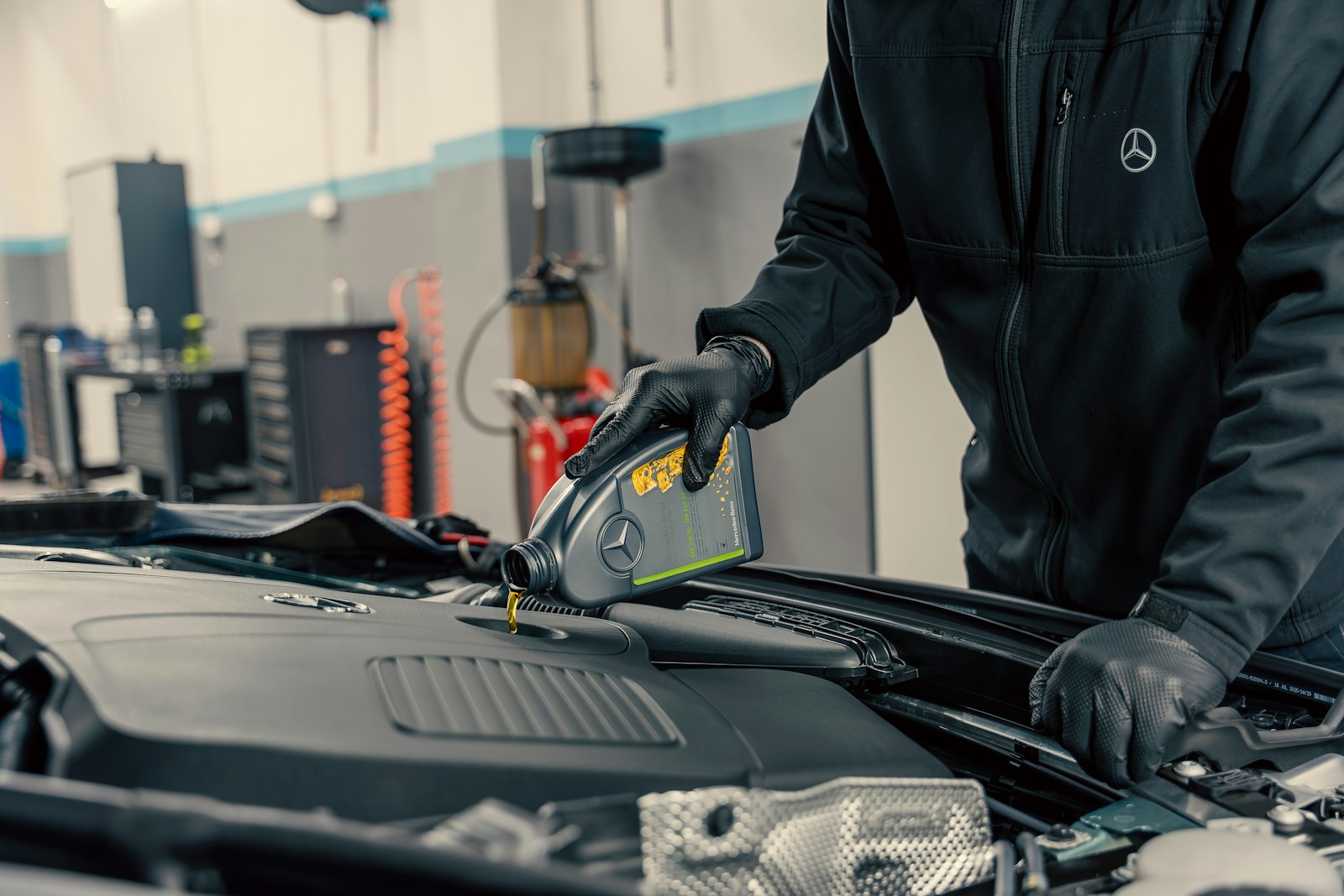

She didn’t go in looking for a fight. It was one of those boring, responsible errands—swing by a quick-lube place on a Saturday, pay the advertised $59, kill 20 minutes scrolling on her phone, and leave with a little sticker on the windshield that made her feel like an adult.
The shop was the kind of spot wedged between a discount tire place and a drive-thru coffee stand, with a big sign promising speed and “no appointment needed.” She pulled in with a perfectly normal car that had never done anything more dramatic than a squeaky belt in the winter. The engine wasn’t knocking, it wasn’t leaking, and it definitely wasn’t about to grenade itself on the highway.
When she left, though, she didn’t even make it far enough to forget the smell of that waiting room air freshener. Her dashboard lit up, her stomach dropped, and a sound started coming from under the hood that you don’t need a mechanic to recognize. It was the kind of noise that makes you instinctively lift your foot off the gas like that’ll somehow undo what’s already happening.
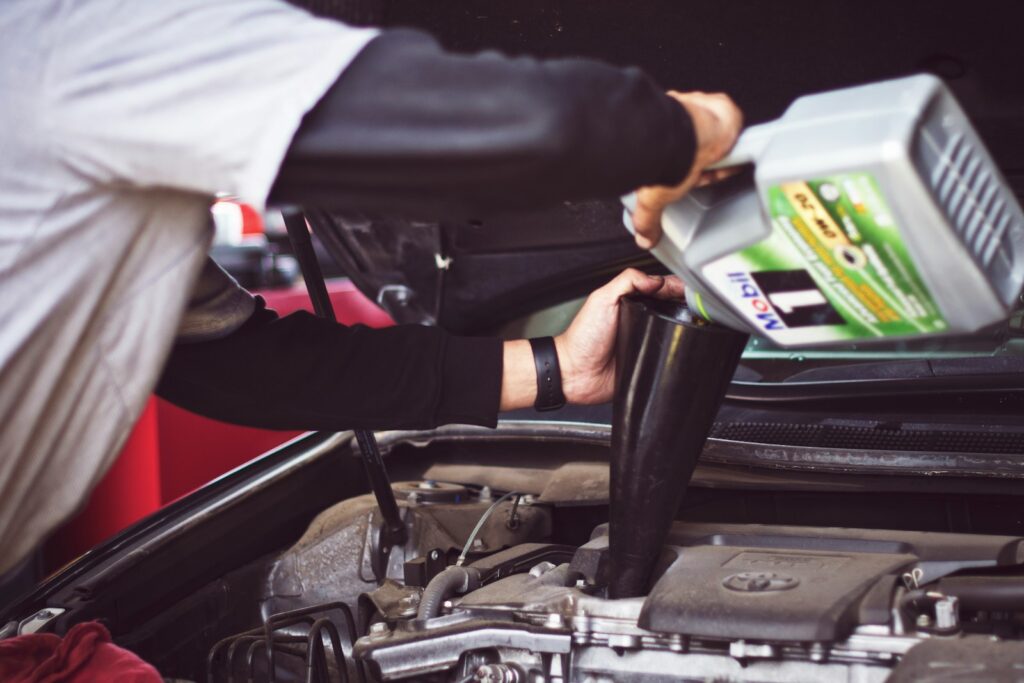
The $59 “in and out” oil change
Inside the shop, everything looked standard: laminated menus, a bored TV, and a guy behind the counter calling people “boss” and “ma’am” like it was part of the uniform. They upsold the usual stuff—cabin air filter, wiper blades, some additive she didn’t want—and she declined politely, because she was there for one thing. She’d done this before and knew how to say “just the oil, thanks” without feeling guilty.
The techs worked fast, which is the whole point of these places. The car went up, the hood went up, and she watched through the glass like most people do when they’re trying to be a “normal customer” but still want to make sure no one’s joyriding it. Nobody seemed rushed or panicked; it was just the regular choreography of an assembly-line service.
When they handed her the keys, they gave the normal spiel about mileage and when to come back. The receipt looked clean and official, the kind that makes you assume everything’s been done correctly. She paid, tossed the paper in the console, and pulled out thinking the most annoying part of her day was over.
The first bad sign, then the noise
It started small, which is part of what makes the whole thing so cruel. She got a warning light—one of those vague icons that makes you squint and try to remember whether it’s “you’re fine” or “pull over immediately.” She kept driving for a minute because nobody expects an oil change to turn into an emergency in the same zip code.
Then the engine started sounding wrong. Not “maybe it’s the road” wrong, but a sharp, rhythmic knock that rose with the RPM like the car was tapping on the inside of its own skull. She turned down the radio, then turned it off completely, like silence would help her diagnose it.
She pulled into a parking lot and popped the hood, still stuck in denial. There was heat shimmering, a faint burnt smell, and that ticking/knocking that made her feel like she was listening to money disappear. The dipstick came out dry enough to look fake, like it belonged to a different car entirely.
That’s when she noticed the trail behind her—dark, wet spots on the asphalt that hadn’t been there when she parked. It wasn’t a little drip. It was a steady bleed, the kind you can track with your eyes all the way back to the exit like a breadcrumb trail of regret.
The sickening realization on the shoulder
She didn’t try to limp it home. The sound was too nasty, and whatever instinct people have about “don’t keep running an engine with no oil” kicked in hard. She called for a tow and stood there staring at the underside of her car like she could will the leak to stop if she glared long enough.
While she waited, she crouched down and saw fresh oil pouring from an area that should’ve been boring and dry. It wasn’t even one of those slow seeps people ignore for months; it looked like the car had been opened up like a drain. The puddle was growing in real time.
The tow truck driver was the first person who said the quiet part out loud. He asked where she’d last serviced it, then gave her that look—half sympathy, half “here we go again”—and told her not to start it again. He’d seen this movie, and it never ends with “good news.”
When the car got dropped at a mechanic, the diagnosis came fast. The engine had run without oil long enough to start knocking, and the leak wasn’t from a random seal failing on its own timing. The oil filter was wrong, or installed wrong, or both—either way, it hadn’t sealed, and the engine had basically pumped its lifeblood onto the highway.
Back to the shop: denial, paperwork, and that one manager voice
She went back to the quick-lube place with the receipt, the tow bill, and the kind of anger that’s still trying to be civilized. At first, she thought it would be straightforward: show them what happened, they’d pull the security footage, and someone would say, “We messed up.” That’s not the tone she got.
The person at the counter started with the careful questions—how far did she drive, did she see the light, did she check her oil before leaving—like they were trying to lay a path toward “not our fault.” It was that corporate-smooth style where nobody raises their voice, but every sentence feels like a door closing. She kept repeating that the car was fine when it came in and broken minutes after it left.
The manager came out and did the whole calm, controlled posture thing, even as she showed them photos of the oil on the ground and the dipstick reading nothing. He said they’d need to “inspect” the vehicle themselves and that they couldn’t “assume responsibility” based on another shop’s assessment. It was the kind of phrasing that makes you realize you’re not talking to a person anymore; you’re talking to a policy.
They offered to tow it back to their bay, which sounded helpful until you realize what that actually means. It means the car leaves the independent mechanic who already documented the problem and goes back to the place that caused it, where the evidence becomes a lot easier to “interpret.” She didn’t like the idea of them touching it again, not after the first round.
The wrong filter and the highway full of oil
The key detail—the one that made her stomach twist—was the filter itself. According to the mechanic, it wasn’t just “loose”; it didn’t match the spec for her car. Wrong threads or wrong gasket dimensions can look close enough to fool someone moving fast, but “close enough” doesn’t seal oil under pressure at highway speed.
Once it started leaking, it didn’t politely warn her with a drip. The engine kept circulating oil, and the oil kept leaving, until the pan was basically empty and the internal parts started hitting each other the way they’re never supposed to. That’s where the knocking comes from—metal-on-metal, the sound of tolerances disappearing.
She replayed the timeline over and over, because it’s hard not to. The shop was maybe ten minutes from where she noticed the light, and it felt insane that an engine could be fine, then dying, in the span of a couple traffic signals. But that’s the nightmare version of “quick service”: if the mistake is big enough, it doesn’t take long to cash out.
And then there’s the other part nobody likes talking about: her oil wasn’t just gone, it was out there. It was on the roadway, on ramps, in parking lots—every place she’d driven in those last few miles. She started wondering if someone behind her had slid, if it could’ve caused an accident, if she’d end up dealing with more than just an engine.
Now it’s a standoff: engine damage vs. “we’ll see”
The quick-lube shop didn’t immediately offer a new engine or even a rental. They talked about “investigation” and “claims,” and she learned how quickly a $59 receipt can turn into a folder of documents. The mechanic warned her that even if the car still moved, a knock after oil starvation isn’t something you just top off and forget; damage can already be done, and it only gets worse.
She started collecting everything—photos, timestamps, the tow record, the mechanic’s notes—because she could feel where the conversation was going. Every day the car sat undriven was another day of being stuck, but driving it felt like gambling with the last usable pieces of the engine. It’s a weird limbo where the problem is urgent, but the resolution moves at the speed of bureaucracy.
The shop wanted their own inspection, their own narrative, their own chain of custody, and she wanted someone to admit the obvious: the car went in for routine maintenance and came out bleeding oil. That’s the part that makes people grit their teeth—how something so tangible can still be treated like a debate. The last update wasn’t a neat resolution, just her staring at a quiet car and realizing the loudest sound in the whole story might end up being two companies arguing over who pays for the knock she can’t unhear.
More from Steel Horse Rides: