

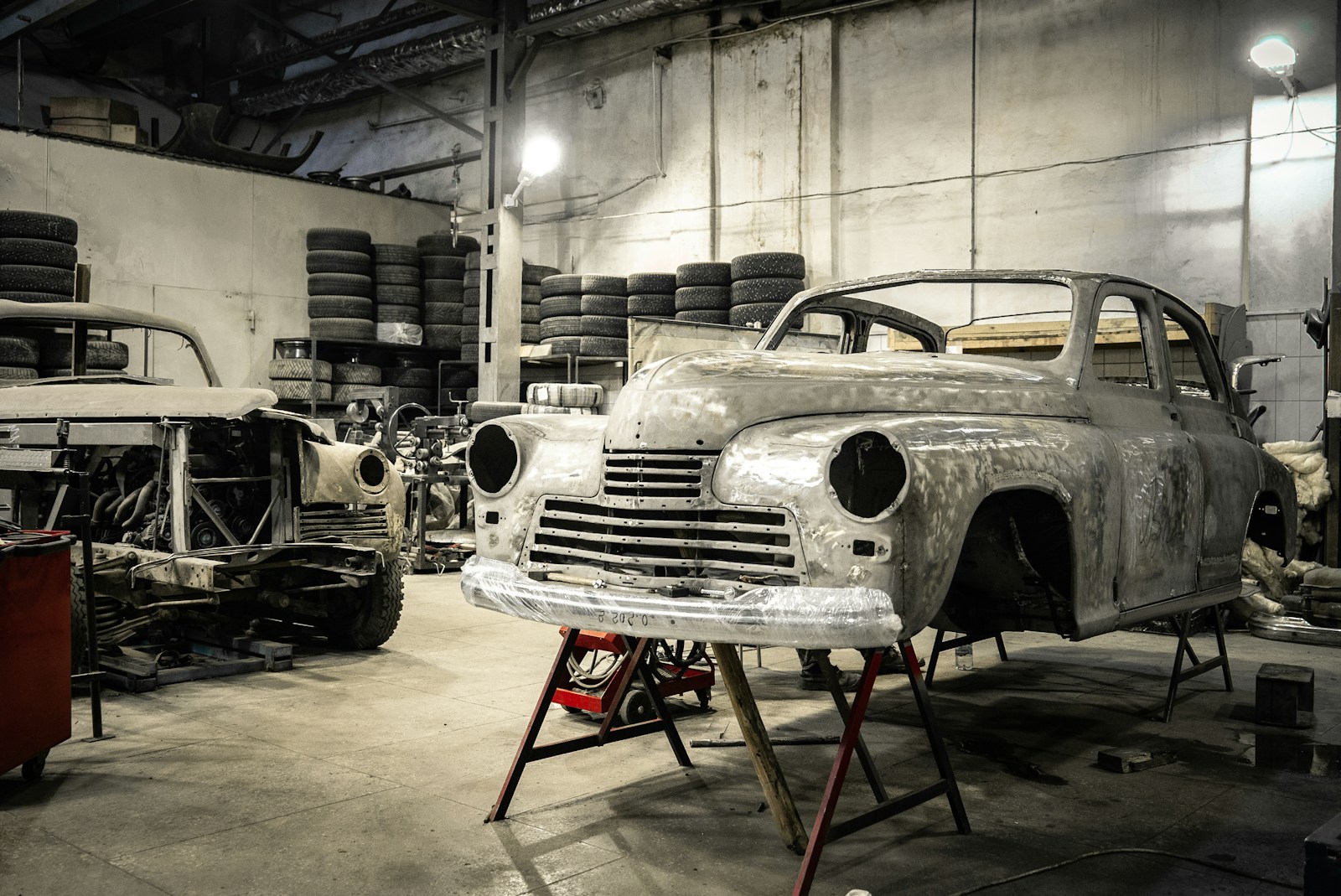
It started the way a lot of classic-car nightmares start: a guy finally has enough money and time to do the “right” restoration, so he drops his pride and joy off at a specialty shop that talks a good game. It wasn’t some disposable commuter, either. This was his classic—old enough that strangers at gas stations would ask what year it was, old enough that you can’t just swing by the parts store and grab what you need off the shelf.
The shop didn’t feel sketchy at first. They had other vintage cars sitting out front, a little office full of glossy photos, and that calm confidence some mechanics get when they know you’re emotionally attached to a pile of metal. The plan was straightforward: address a drivability issue, freshen up a few things “while we’re in there,” and have it back by the end of the season.
Two years later, the car still wasn’t home, and the owner had memorized the shop’s excuses like they were song lyrics. Then one night, scrolling social media like everybody does when they can’t sleep, he sees his car idling in the background of another customer’s video—running, clean, unmistakable. Just sitting there, alive, while he’d been told for months it couldn’t move because of “delayed parts.”
The drop-off that turned into a long-distance relationship
At the beginning, the owner was patient in a normal way. A classic car is always going to take longer than a modern one, and he knew that going in. He wasn’t expecting miracles, just progress—calls returned, receipts, the occasional photo of something actually being done.
The first few updates sounded plausible. The shop mentioned a backordered component, then another. They talked about how suppliers were “weird right now,” how a vendor sent the wrong piece, how it was better to wait than to use a questionable reproduction part that might fail.
For a while, the shop kept him on that hopeful drip-feed: “We’re close.” “We’re waiting on one thing.” “Once it’s here, it’s basically buttoned up.” He’d call and they’d pick up, or they’d call back within a day, and he’d hang up thinking, okay, annoying, but not catastrophic.
Then the tone shifted. Calls started going to voicemail more often, and when someone did answer, it felt like they were talking while distracted, like he’d interrupted something. They still used the same buzzwords—backordered, delayed, supplier—except now they sounded less like explanations and more like a script.
The excuses get specific… and somehow less believable
After a year, the owner tried being the polite squeaky wheel. He didn’t show up yelling; he’d show up with coffee, ask to see the car, ask what exactly was needed, ask what had been done so far. The shop always had a reason why it wasn’t a good time to look closely: it was “torn down,” it was “in the back,” it was “waiting on a part so we can reassemble.”
When he did manage to see it, it never looked like a project that was actively underway. It looked… parked. Dusty in a way that suggested it wasn’t being moved around, with the kind of stillness that makes your stomach sink because you can tell nobody’s been leaning over the fenders lately.
The shop’s owner leaned harder into the parts narrative. They named specific components—some obscure-sounding piece tied to the fuel system, a particular trim part, a specialty gasket that “only one guy makes.” The details were supposed to reassure him, but the more detailed it got, the more it felt like misdirection.
Eventually, they stopped giving timelines altogether. It was just “we’ll call you when it comes in” and “we’re doing what we can,” like the car was caught in a blizzard and they were all just waiting for the weather to clear.
The slow burn turns into a gut feeling
By the time the calendar rolled into the second year, the owner wasn’t just frustrated—he was embarrassed. He’d told friends the car would be done “soon” so many times that he started dodging the topic entirely. The whole thing became this low-grade stress buzzing in the background of his life.
He also started noticing small inconsistencies. One week the shop would say they were waiting on a part before they could even start it. Another week they’d casually mention a test that sounded like the car was already running. He’d ask a follow-up question and get a vague answer, like they couldn’t remember what they’d told him last time.
He tried switching tactics: emails so there’d be a written trail, requests for invoices, asking for photos of the work in progress. The shop would respond just enough to keep him from exploding, then go quiet again. It wasn’t outright ghosting; it was that calculated half-communication that keeps you stuck.
At some point he started thinking the thing everyone eventually thinks in these situations: maybe the car isn’t even there anymore. Or maybe it’s there, but it’s being used—parts borrowed off it, moved around, something shady. He’d never said that out loud, because saying it makes it real.
The video in the background that changed everything
The reveal didn’t come from a whistleblower or a big confrontation. It came from the owner doing regular doom-scrolling, landing on a short video posted by the same shop. It was one of those upbeat clips meant to show off a happy customer taking delivery of their own car.
In the foreground, somebody was grinning and pointing at their newly “finished” ride. But the owner wasn’t watching the person. His eyes locked on the background, where his classic was sitting at an angle he recognized instantly, in a corner of the shop he’d seen during his visits.
What made it worse wasn’t just that the car was visible—it was that it was running. You could see the subtle vibration, hear the low engine note under the shop’s chatter, the little puff of exhaust. It wasn’t on jack stands, wasn’t mid-disassembly, wasn’t waiting for one crucial missing piece that prevented it from moving.
He replayed it over and over like his brain refused to accept it. Same paint, same wheels, same little imperfections he knew by heart. It was his car, alive, while he’d been told it was effectively immobilized by missing parts.
The confrontation, the scrambling, and the half-answers
He didn’t comment on the video. He didn’t message the shop with a polite “hey, is that my car?” question, either. He went straight to them with receipts—screenshots, timestamps, and the kind of calm anger that comes from finally having proof.
The first response from the shop was denial-by-confusion. They acted like he must be mistaken, like a lot of classics look the same, like he was seeing what he wanted to see. Then, when he pointed out a unique detail—a mark or accessory specific to his car—the denial shifted into defensive explanations.
Now the story was that they’d “just gotten it running” for a quick test. Or that they had to move it because of shop logistics. Or that it wasn’t “done-done,” so it didn’t count as progress in their updates. None of it lined up with two years of “we can’t proceed without parts,” and the owner kept circling back to that: if it runs, why is it still here?
The shop’s tone reportedly got sharper. They started framing him as difficult, impatient, not understanding how restorations work. It’s a classic maneuver—make the customer feel ignorant, like they’re the problem for wanting their property back within a timeframe that exists on the same planet as the rest of us.
The owner demanded the car back, finished or not. And that’s when the pressure really hit, because suddenly the shop’s language changed from “delayed parts” to “we need to settle the outstanding balance” and “there are storage considerations.” It wasn’t just about mechanics anymore; it was about leverage.
He realized he’d been kept in limbo on purpose. As long as the car stayed there, the shop controlled the situation: the narrative, the timeline, even his ability to verify what was true. The video didn’t just expose that the car ran—it exposed that the shop had been comfortable showing it off in the background, like it wasn’t a liability.
And that’s where the whole thing ends up feeling especially grimy. The car wasn’t hidden in a back corner like a secret; it was sitting there, in frame, while the shop marketed itself, while another customer celebrated, while the owner waited at home being told the same worn-out line about parts that never arrived.
The last anyone heard, the owner was still trying to untangle the practical mess: what the shop had actually done, what they were charging for, what condition the car was truly in, and how hard they were going to make it to retrieve it. The most brutal part wasn’t even the delay—it was the moment he realized the shop hadn’t just lost track of his timeline. They’d looked right at his car, running in their building, and still chose to keep him waiting.