

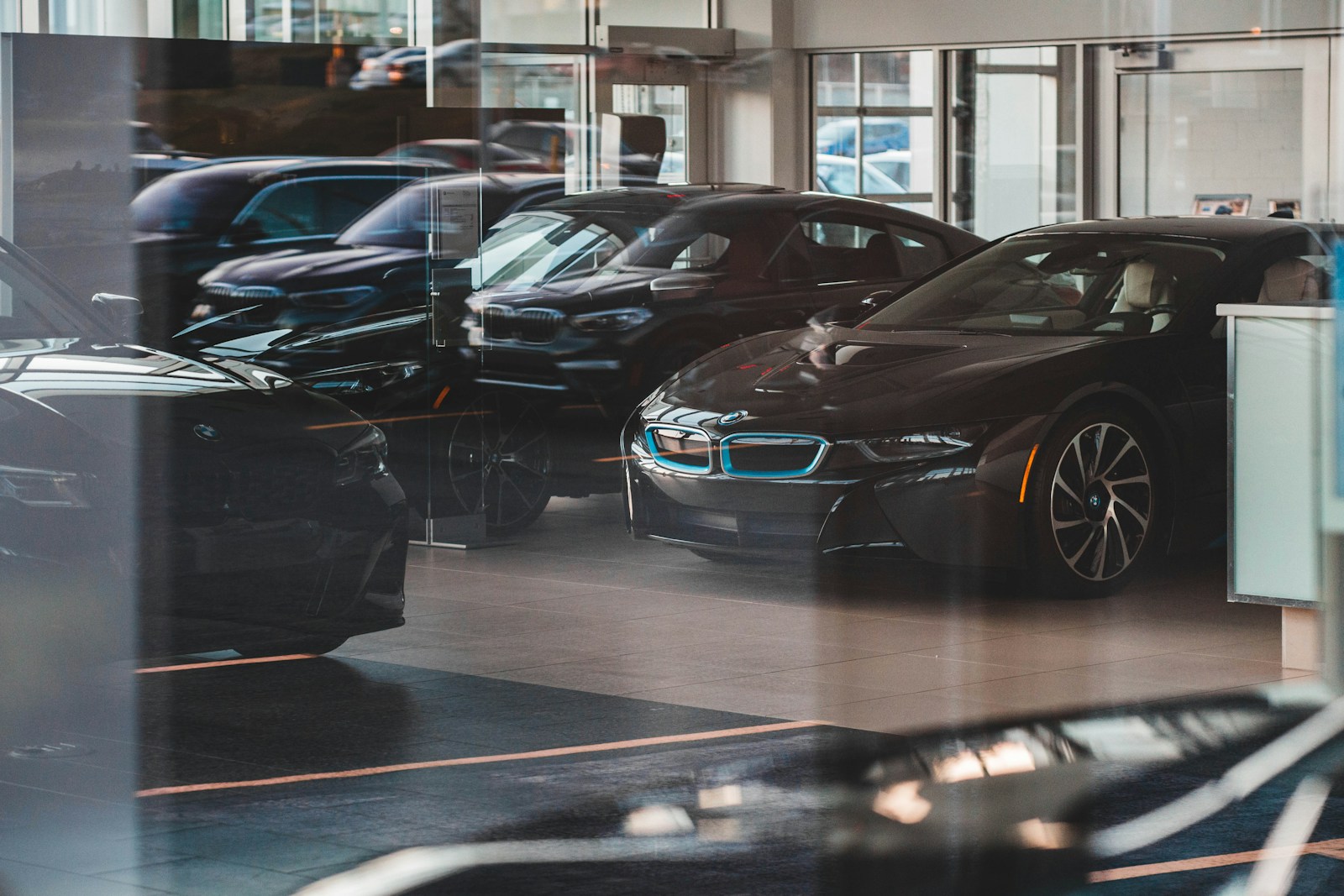
It started the way a lot of car horror stories start: a guy finally trusts someone with his pride and joy because, hey, it’s a dealership. The sports car wasn’t some beater he didn’t care about, either. It was the kind of car you wipe down even when it’s already clean, the kind you park far away and still glance back at.
He’d brought it in for something annoying but not catastrophic—an intermittent warning light and a faint vibration at highway speeds. The service advisor nodded like they’d seen it a thousand times and said the tech would take it on a “diagnostic drive” to replicate the issue. Normal. Routine. The customer signed the work order, handed over the key fob, and went to sit in that bland waiting area with burnt coffee and daytime TV.
When the call finally came, it wasn’t, “We found the problem.” It was, “So… there’s been an incident.” And before the customer could even ask what kind of incident, the story arrived prepackaged: a deer ran out, the tech swerved, and the car hit something. The dealership employee sounded practiced, like he’d already rehearsed the sentence a few times on the walk to the phone.
The “diagnostic drive” that didn’t feel diagnostic
The customer got to the lot and saw the car before anyone could explain it properly. The front end looked wrong in that way you can’t unsee—panel gaps opened up, a headlight sitting at a weird angle, and the bumper scuffed like it had been dragged across sandpaper. It was the kind of damage that makes your stomach drop because you can already hear the insurance adjuster’s tone.
The tech—young guy, dealership polo, that tired confidence of someone who thinks his badge is a force field—stuck to the deer story. He said it happened “out of nowhere,” that he “did everything right,” and that it was just bad luck. He even added details nobody asked for, like how the deer “must’ve been spooked” and how there was “nothing he could do.”
The service manager joined in with the sympathetic face, talking about how these things happen and how they’d “take care of it.” But the customer couldn’t get past one question: if it was a simple diagnostic drive, why did the crash happen miles away from the usual loop every local dealer uses? The manager had an answer ready for that too—something about needing different road conditions to reproduce the vibration.
It might’ve ended right there as an expensive, miserable accident story, except for one tiny piece of modern life the tech didn’t think about. The sports car had a dashcam, hardwired, tucked up behind the mirror like they all are. The customer hadn’t even mentioned it, because why would he? He wasn’t expecting to need receipts.
The deer story gets told a little too smoothly
Back at home, the customer did what people do when they’re trying to feel in control of a situation that’s slipping away: he started gathering information. He checked the paperwork and noticed the mileage added wasn’t just “a quick loop.” It was enough distance to suggest the car had been out for a while, not a couple of minutes of gentle driving to listen for vibrations.
He called the dealership to ask exactly where the deer ran out, because if the car was swerved into a guardrail or another vehicle, there might be a police report. The answer shifted slightly depending on who picked up. One person mentioned a back road. Another implied it was closer to the highway. Nobody had a case number. Nobody mentioned an officer showing up.
Then came the subtle pressure, the kind that sounds friendly but lands heavy. The service manager said it would be “easier” if they handled it internally, that insurance could complicate things, that the customer shouldn’t worry because “we’ll make it right.” It wasn’t an outright demand, but it had that unmistakable vibe of someone trying to keep the story small.
That night, the customer pulled the dashcam card, expecting the file to be corrupted or overwritten. He didn’t even know if it had recorded; some cams only trigger on impact, and some need motion. But the camera had been rolling, quietly doing what it does, catching everything the people in the building had just promised him wasn’t worth worrying about.
What the surviving dashcam file actually showed
The video didn’t start with calm, methodical test driving. It started with idle chatter and the unmistakable sound of someone having fun. There was laughter, not nervous laughter—comfortable laughter, like two guys who’d decided the next few minutes belonged to them.
At some point, another car pulled into view. The angle wasn’t perfect, but you could see enough to tell it wasn’t traffic happening to be nearby. It was pacing, hanging back, then surging forward like it was being egged on. The sports car’s engine note changed, the way it does when someone stops pretending they’re being gentle.
The speed climbed fast. The dashcam overlay—because of course this cam had GPS speed—ticked up into numbers nobody hits on a “diagnostic drive” unless the diagnosis is “How fast can it go?” Triple digits came and went like it was nothing. The tech’s voice sounded light, almost proud, and then there was that specific kind of laughter you hear right before someone does something stupid they fully intend to do anyway.
Then the tone shifted in a half-second. You hear wind noise, a sudden correction, tires starting to complain, and the sound of a car getting out of shape. No deer. No flash of fur. No panicked “Oh my god, a deer.” Just speed, bravado, and the awful moment when physics stops negotiating.
The impact didn’t look cinematic. It looked mundane and expensive—hard jolt, camera shakes, a metallic crunch that makes your teeth hurt. The recording cut out shortly after, either from power loss or the camera doing what it does when it senses a collision. But it left behind a final impression that didn’t match the dealership’s story at all: this wasn’t bad luck on a test drive. This was a joyride that went wrong.
The awkward phone call and the sudden change in tone
The next day, the customer called back, and the conversation was different from the first ten seconds. He didn’t start with accusations; he started with a simple question about the deer, again, and then mentioned—casually, like it was an afterthought—that the dashcam recorded the drive. There was a pause long enough to feel through the phone.
Suddenly, nobody wanted to talk in specifics. The service manager asked if the customer could come in to discuss it “in person,” which is always code for “please don’t put this in writing.” When the customer refused and asked for an email address to send the video file, the manager’s voice got tight. The easy sympathy disappeared, replaced by that careful corporate politeness that means someone’s looking for an escape route.
Within a few hours, the dealership’s version of events started to wobble. The story wasn’t a deer anymore; it became “an unexpected road hazard.” Then it was “a situation involving another driver.” Then the manager insisted they were “still investigating,” even though they’d been confident enough to blame wildlife the day before. The tech, according to the manager, was “unavailable.”
The customer asked one direct question: if the tech was doing a legitimate diagnostic drive, why was there another car clearly involved, running alongside and surging ahead like they were racing? That question didn’t get answered. It just got rerouted into vague talk about policies and next steps.
Fallout: insurance, liability, and the part nobody wants to say out loud
Now the situation was bigger than a damaged bumper. If the dashcam showed reckless driving on the clock, in a customer’s car, it wasn’t just an insurance claim—it was liability. The customer didn’t want a “goodwill repair” or a quick respray that would show up weird under certain light. He wanted the car made whole, and he wanted it documented, because resale value on a sports car doesn’t forgive accident history.
The dealership, meanwhile, had every incentive to keep the narrative blurry. If they admitted their employee was racing a friend at triple-digit speed, that’s not a deer problem. That’s negligence. That’s the kind of thing that makes insurers ask uncomfortable questions and makes corporate offices suddenly aware of a location they hadn’t thought about in months.
There was also the human side: the tech who thought he could borrow someone else’s expensive toy and return it with nothing but a few extra miles on the odometer. The friend in the other car who treated a public road like a personal track. And the customer, who now had to fight for the basic fact that his car wasn’t destroyed by nature—it was destroyed by someone else’s entitlement.
The last update in the story wasn’t a clean resolution. The dealership hadn’t outright refused to pay, but they hadn’t admitted wrongdoing either. They were “reviewing footage,” “speaking with their insurance,” “waiting on estimates,” all the usual slow-walk phrases that drag time out until you’re tired enough to take whatever offer lands on the table.
And that’s where it hangs: the customer sitting on a video file that says more than any dealership phone call ever will, and a business trying to pretend the loudest part of the crash was a deer that never appeared. The car can be repaired, maybe, but the trust part is the thing that doesn’t bolt back on—especially when the only reason the truth survived is because a dashcam quietly kept recording while everyone else was already practicing their story.