

It started the way a lot of family vacation rentals start: tired parents, excited kids, and a rental counter worker sliding keys across the desk like they’ve done it a thousand times. The family had booked a pickup for the week—something with enough space for luggage, beach gear, and the inevitable “we’re bringing this home” souvenirs. They weren’t looking for a fight, just a vehicle that wouldn’t ruin the trip.
At pickup, the dad did what more people say they’ll do than actually do: he walked around the truck with his phone out, filming. Not a cinematic tour—just a practical, slightly rushed video of the exterior, the wheels, the dash, and whatever else he could think to document before they hit the road. In the clip, there’s a moment that doesn’t seem important yet: an employee crouches near the front, points underneath, and says something along the lines of, “That panel’s already hanging loose.”
The vacation happens. They drive the pickup like a normal rental: highway miles, some groceries, maybe a day trip or two. No off-roading, no scraping mystery curbs, no dramatic crunching sounds. The truck makes it back to the return lot in one piece, and the family thinks they’re about to be done with it—until their inbox turns into a war zone.
The return that felt a little too normal
When they dropped the pickup off, the return was almost anticlimactic. They pulled into the lane, unloaded bags, did that quick “did we leave anything in the door pockets?” sweep, and handed over the keys. The employee doing the intake didn’t wave anyone down or call for a manager; nobody asked them to wait while an inspection happened.
That’s part of why the next message hit so hard. It wasn’t a small “hey, we noticed something” email. It was a full-on demand: the rental company was claiming “new underbody damage,” and they wanted around $11,000.
Eleven grand is a number that doesn’t feel like a fee, it feels like a threat. It’s the kind of amount that makes your stomach drop because your brain immediately starts doing the math—credit card limits, insurance deductibles, whether you’ll be forced to argue with strangers for weeks. The family reread the email like maybe they were missing a decimal point.
The invoice that read like an accusation
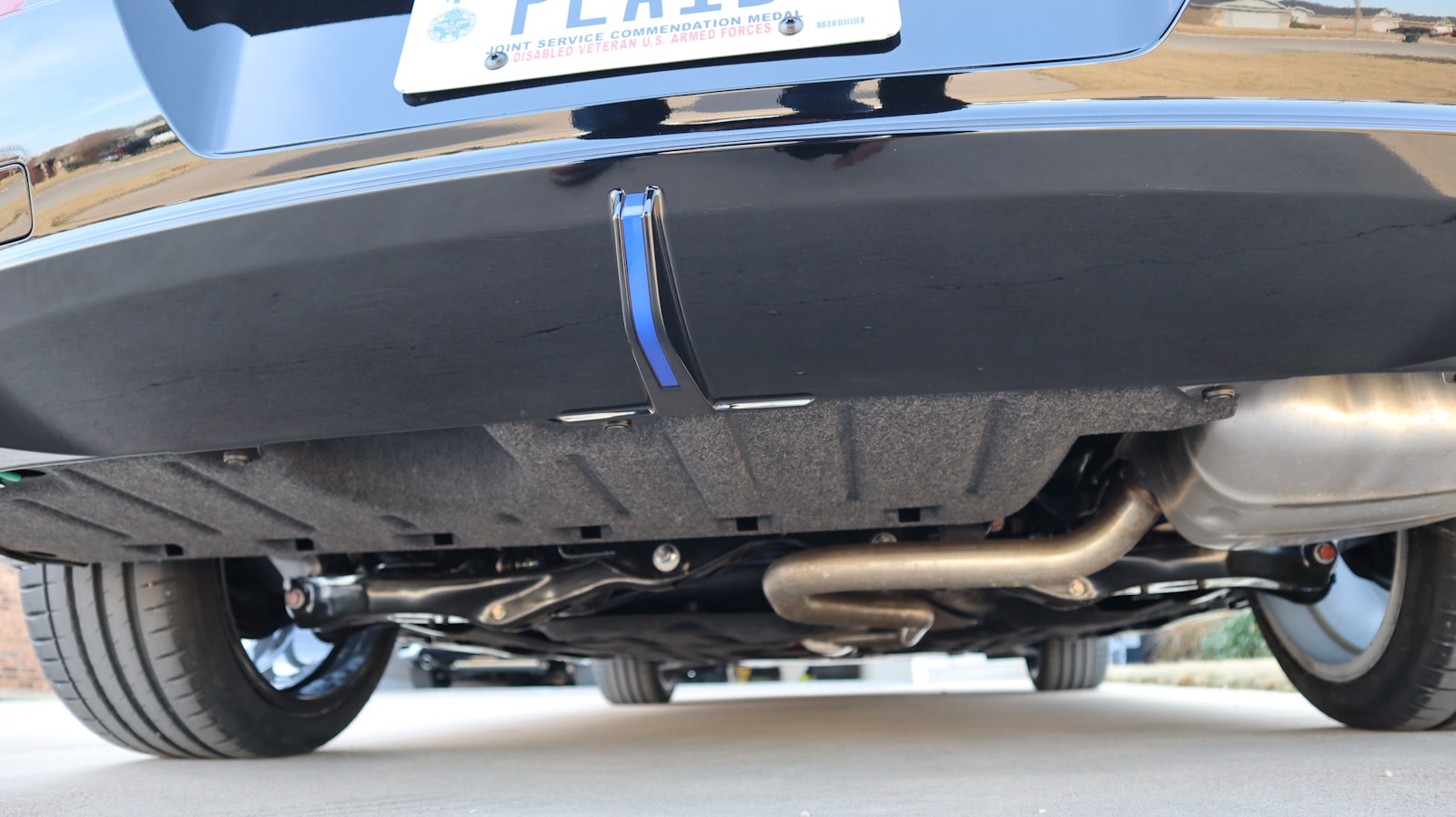
The rental company’s documentation was the usual mix of official-looking and frustratingly vague. There were photos of the underside, arrows pointing at a protective panel and related components, and language about damage that “occurred during the rental period.” The estimate wasn’t just for reattaching a loose cover; it was the kind of quote you’d expect after running over something catastrophic.
They claimed the protective panel under the truck was damaged and needed replacement, and that other parts were affected too. The family couldn’t reconcile that with their week of driving. If the underbody had taken a hit big enough to justify five figures, wouldn’t they have felt something? Heard something? Seen a warning light? Anything?
When they called, they didn’t get a calm explanation, just a script. The representative kept circling back to the same point: the truck left in good condition, returned in damaged condition, and the renter was responsible. It didn’t matter that the family insisted they hadn’t done anything unusual—nothing changed the tone of the conversation.
That’s when the dad remembered the pickup video. Not the general walkaround—one specific moment where the employee had pointed out the underbody panel. He dug through his camera roll like he was looking for a life raft.
The pickup video that changes the whole vibe
The video wasn’t glamorous, but it was clear. It showed the timestamp, the rental lot, the truck, and the employee’s voice in the background. And there it was: the worker acknowledging that the protective panel was already hanging loose before the family even left the property.
It’s hard to describe how much power a few seconds of video can have in a situation like this. Without it, the story is just “customer says they didn’t do it.” With it, the story becomes “your own employee flagged this exact issue at pickup.” The family wasn’t trying to play detective; they just happened to document the right thing at the right time.
They sent the clip to the rental company, expecting that to be the end of it. Not necessarily a friendly apology, but at least a quick correction—someone saying, “Okay, we see it was pre-existing.” Instead, they got a response that felt like the company was trying to squeeze through a loophole.
The company’s angle shifted. Now it wasn’t “the panel was fine when you took it,” but something closer to, “The panel may have been loose, but it got worse under your use.” Which is the kind of statement that’s both impossible to disprove and weirdly convenient.
How the dispute escalated from annoying to exhausting
Once the company knew the family had evidence, the communication turned into a slow, grinding back-and-forth. The family asked for the pre-rental inspection report. They asked for photos from before pickup. They asked why the return employee hadn’t said a word if damage was obvious. Every request seemed to generate a delay, a vague answer, or another copy of the same invoice.
The $11,000 number also kept hovering like a cudgel. Even if the company wasn’t immediately charging their card, the threat was there: collections, claims, insurance headaches. The family started talking about whether they needed a lawyer, which is a ridiculous conversation to be having because you rented a pickup for a vacation.
They also had to deal with the emotional whiplash of being treated like liars. It’s one thing for a company to say, “We have a process.” It’s another to be told, implicitly, that you’re responsible for a major repair when you have documentation suggesting the problem existed at handoff.
And the more they looked at the claim, the messier it seemed. An underbody shield hanging loose can happen from prior curb strikes, bad clips, previous repairs, or just wear. But $11,000 suggests either a massive replacement scope or a pricing structure designed to make disputes feel pointless.
The uncomfortable gray area: “pre-existing” vs. “made worse”
This is where the conflict gets sticky. The employee warning in the pickup video is a problem for the rental company, but it’s also not a complete shield unless it’s paired with a formal note in the contract or inspection sheet. A loose panel can be pre-existing and still become more damaged later—especially if it’s dragging at speed.
The family’s argument was straightforward: they were handed a truck with a known issue, and nobody offered a swap or a repair before sending them off. If a panel is hanging loose enough for an employee to point it out, that’s not “minor,” that’s a vehicle condition problem. You can’t set someone up with an existing defect and then act surprised when it turns into a bill.
The rental company’s position, though, leaned on technicalities. They kept emphasizing responsibility “during the rental period,” and they treated the initial looseness as unrelated to whatever damage they were now claiming. It’s a convenient line because it forces the customer to prove a negative: that nothing worsened and that any additional damage was inevitable or already present.
And of course, the family didn’t have undercarriage photos from before and after, because who crawls under a pickup in a rental lot with kids waiting in the sun? The employee’s warning was the closest thing they had to a pre-existing condition report, and the company seemed determined to minimize it.
Where it leaves them: a bill, a video, and a standoff
By the time the dust settled into an ongoing dispute, the family was stuck in that awful limbo where you’re “waiting for review” but also bracing for the next email. They’d submitted the pickup video, asked for escalation, and tried to get a clear explanation of how $11,000 was calculated. The company, meanwhile, kept talking like the charge was still valid—just “under consideration,” like they were doing the family a favor by not finalizing it immediately.
The ugliest part is how familiar the pattern feels: a huge number, a tight timeline, and a burden of proof that sits mostly on the customer. The family had one unusually solid piece of evidence, and even that wasn’t enough to make the issue evaporate. It only changed the fight from “you did this” to “prove you didn’t make it worse,” which is basically the same accusation in a different outfit.
In the end, the story hangs on that weird little moment in the pickup lot—an employee casually pointing under the truck, warning about a panel that wasn’t secured. The family has it on video, clear as day, and the rental company still has an $11,000 invoice they apparently don’t want to let go of. And that’s the tension that sticks: not whether the panel was loose, but whether a company can acknowledge a problem at handoff and still try to make a customer eat the consequences later.