

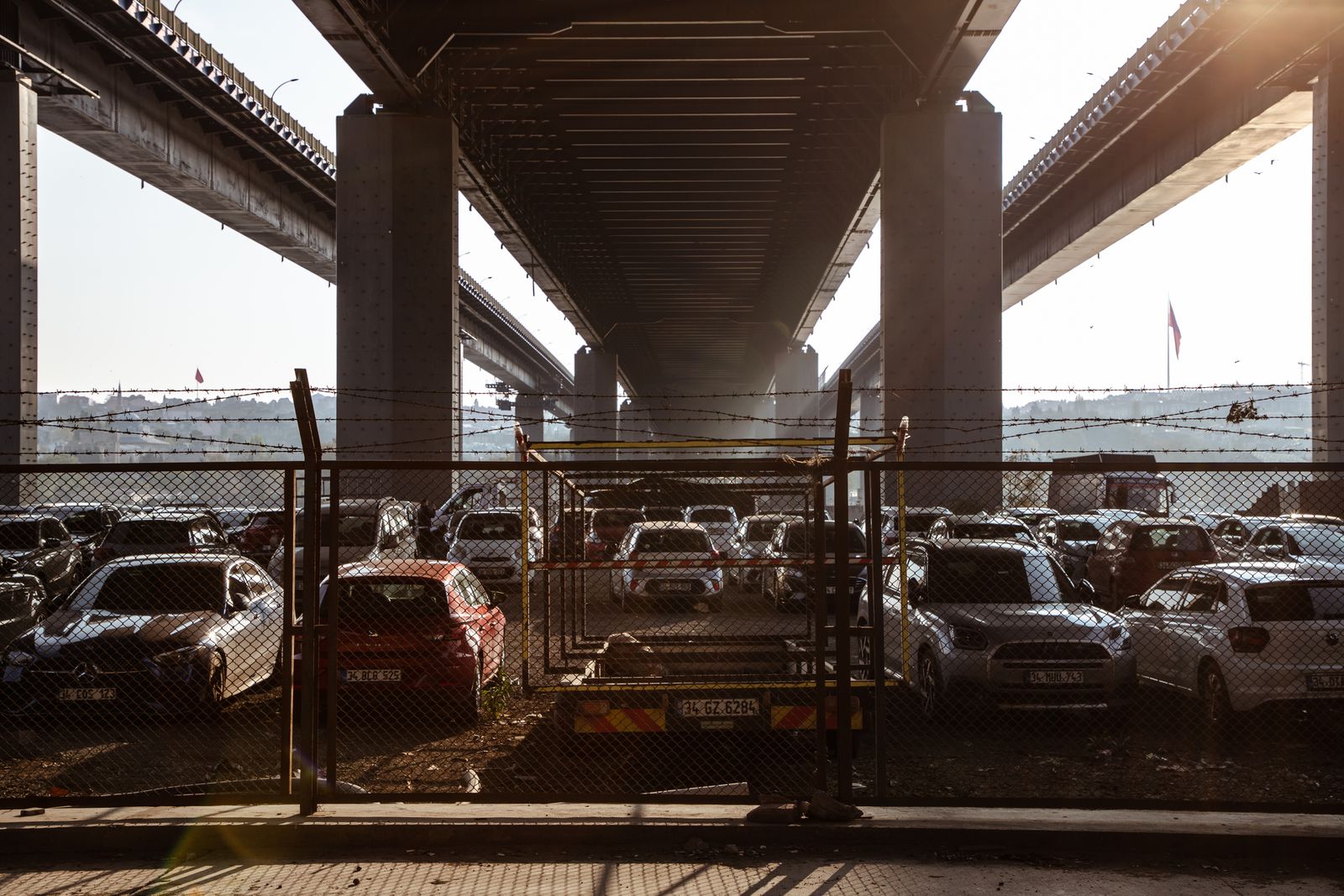
It started the way a lot of military-homefront nightmares start: with a driveway that’s supposed to be on autopilot while someone’s overseas. The soldier had done everything “right” before deploying—paid off his car, parked it at his own place, left it with current registration, and handed off the usual keys-and-contacts to family so nothing would get weird while he was gone.
And then, in the middle of his deployment, his car just… vanished. Not stolen in the usual sense, not taken by a shady acquaintance. Towed. From his own driveway. By a yard that acted like they were doing the neighborhood a favor.
At first, everyone assumed it was a mistake that would get corrected in a couple phone calls. That’s the naive part. Because the moment his family started digging, it turned out the tow yard wasn’t treating it like an error—more like a prize they’d already started processing.
The car disappears, and the answers don’t line up
When the soldier’s people noticed the empty spot in the driveway, they did the normal checks: ask the neighbors if they saw anything, call local police to see if it got tagged as abandoned or stolen, and then start calling towing companies in the area. The kind of annoying scavenger hunt that becomes routine when you don’t have any better leads.
Eventually, someone at a tow yard confirmed it: yeah, they had the car. The explanation was slippery—something about “authorization,” “a request,” or the vehicle being “subject to tow.” The details seemed to change depending on who was on the phone, and nobody could name a clear reason that would make sense for a paid-off car sitting on private property.
The soldier’s family asked the obvious next question: where were the notices? Why wasn’t anyone contacted before it got towed from a driveway? The tow yard insisted they’d mailed everything the way they were supposed to, like it was a box they checked and didn’t care where it landed.
Notices get mailed into the void, and the clock runs out
This is where the whole thing starts to feel less like a clerical error and more like a system that’s designed to steamroll people. The tow yard claimed they sent notices, but not to the soldier’s actual address. Not to the address connected to the property where the car was taken. Not even, apparently, to the obvious place any normal person would use if they were trying to notify an owner.
The family, trying to be calm, asked how that could happen. Was it the DMV record? Was it a typo? Was it some automated lookup that pulled an old address? The yard didn’t offer anything solid—just a shrug in corporate form: “We sent the notices.”
While everyone argued over where the paper went, the tow yard’s internal clock kept ticking. Storage fees stacked up on a car nobody could retrieve because nobody had been properly told it was even there. And then, the yard moved to the final step like it was inevitable: auction.
By the time the family realized the tow yard wasn’t playing around, the soldier’s car had already been sold. Not “about to be sold.” Not “scheduled.” Sold, transferred, gone.
The auction buyer thinks they got a deal, until the phone rings
The buyer was just some regular person hunting for an auction bargain—someone who likely believed the paperwork meant the car was clean and the situation was normal. They paid, got whatever documents the yard handed them, and drove off thinking they’d scored.
Then the soldier’s side escalated. Because “my paid-off car was towed from my own driveway during deployment and sold out from under me” isn’t the kind of sentence you just accept. Military legal assistance got involved, and once that happens, the tone shifts from pleading to precise.
The demand was straightforward: the car needs to be returned. Not because anyone wants to bully an auction buyer, but because the underlying tow and sale looked poisoned from the start—wrong address, no real notice, and a chain of events that conveniently ended with the tow yard converting someone else’s property into cash.
And that’s when the buyer got pulled into the mess. Suddenly, they weren’t just holding a new-to-them car—they were holding the physical evidence of a fight between a service member and a tow yard that didn’t seem interested in admitting fault.
The tow yard flips its attitude and leans on the buyer
Here’s the part that makes your skin crawl: instead of cooperating or at least staying neutral, the tow yard allegedly turned on the buyer. The same yard that happily took their money now treated them like a threat to the yard’s story.
When the military attorneys pushed for the vehicle to be returned, the tow yard didn’t respond like a business trying to resolve a disputed sale. They responded like someone trying to keep the whole arrangement from unraveling. The buyer, who should’ve been protected as a customer if the sale was legitimate, instead got pressure.
The vibe was less “we’re sorting out a title issue” and more “don’t you dare give that car back.” Not subtle, not polite. The kind of posture that suggests the yard knew exactly how bad it would look if the vehicle reappeared in the soldier’s driveway.
And for the buyer, it was a trap either way. Keep the car and risk being the person holding onto a service member’s wrongfully sold vehicle. Return it and risk the tow yard coming after them for money, paperwork, or revenge—because now the yard’s auction revenue might be on the line.
The soldier comes home to paperwork instead of a car
Meanwhile, the soldier was still deployed for most of this, getting updates in fragments and trying to make decisions from a completely different time zone. There’s something uniquely infuriating about handling a domestic property dispute when you’re literally not allowed to physically show up and shut it down.
He’d left a normal life behind temporarily—driveway, bills, car, routine. He came back (or got close to coming back) to find a tow yard had treated his property like abandoned scrap, despite it being parked where it belonged. The emotional whiplash isn’t even subtle: you’re serving, you’re following rules, you’re being careful, and somehow your car gets processed like a forgotten shopping cart.
The paper trail mattered more than the reality on the ground. The yard could point to “notices,” even if they were mailed into the void. They could point to “auction,” even if the owner never had a real chance to stop it. They could point to “title transfer,” even if the origin of the whole thing was a tow from private property that nobody could properly justify.
And the soldier’s side, armed with legal representation, had to drag the facts back into the conversation: it was his driveway, his car, paid off, taken during deployment, and the notification process was a joke. The question wasn’t just “how do we get the car back,” but “how did this get allowed to happen at all.”
By the time it reached the buyer-threatening stage, it wasn’t even about miscommunication anymore. It was about whether the tow yard could muscle everyone into accepting the outcome they’d already profited from.
The last detail that stuck with people wasn’t the tow itself—it was the posture after the sale. A company confident it acted legally doesn’t usually need to intimidate the person who bought the thing. But a company that knows its timeline is shaky, its notices were sloppy, and its story won’t survive scrutiny? That’s when it starts trying to control where the car goes and who says what, because the moment that vehicle ends up back with its owner, the whole ugly chain becomes impossible to ignore.