

It started the way these things always start: a regular car owner trying to do the responsible thing, sliding into a quick-lube bay on a lunch break because the dash reminder wouldn’t shut up. The place was one of those fluorescent, oil-scented shops wedged between a discount tire place and a drive-thru, the kind where the waiting room has stale coffee and a TV stuck on daytime sports.
The customer—let’s call him Mark—had a mid-mileage sedan he needed to keep alive for work. He wasn’t asking for anything exotic, just an oil change, maybe a look at a squeaky belt if they had a second. He sat there watching the techs move fast like they always do, feeling vaguely reassured by the whole “pit crew” vibe that quick-lube places sell as their whole identity.
The next day his engine seized on the side of the road, hard. No gentle “something’s wrong” warning, no slow decline—just a sudden clatter, a warning light that might as well have been a flare gun, and then dead metal silence. By the time the tow truck dropped it at a mechanic, Mark already had that sinking feeling that the oil change wasn’t just a coincidence.
The “It’s Not Us” Wall Goes Up
Mark called the quick-lube shop first, because who else would you call when your car detonates 24 hours after they were under it. He expected the usual customer service dance—apologies, questions, maybe an offer to look at it. Instead, he got a manager who sounded like he’d already decided the outcome before the phone finished ringing.
The manager’s line was clean and confident: yesterday’s service didn’t cause today’s failure. Engines seize for lots of reasons, he said, and if Mark had an old car, well, old cars do old-car things. He also leaned hard on the implied math of it: “We do hundreds of these a week,” as if volume alone is proof that Mark’s experience couldn’t possibly be connected.
Mark pushed back with the obvious: the mechanic who looked at it said there was basically no oil in the engine. Not “low,” not “dirty,” but missing. The manager’s tone got sharper at that, like the accusation had shifted from “mistake” to “dishonesty.” If there was no oil, he said, Mark must’ve leaked it out overnight, or blown a seal, or had it burning for months without noticing.
The Mechanic’s Phone Call Changes the Temperature
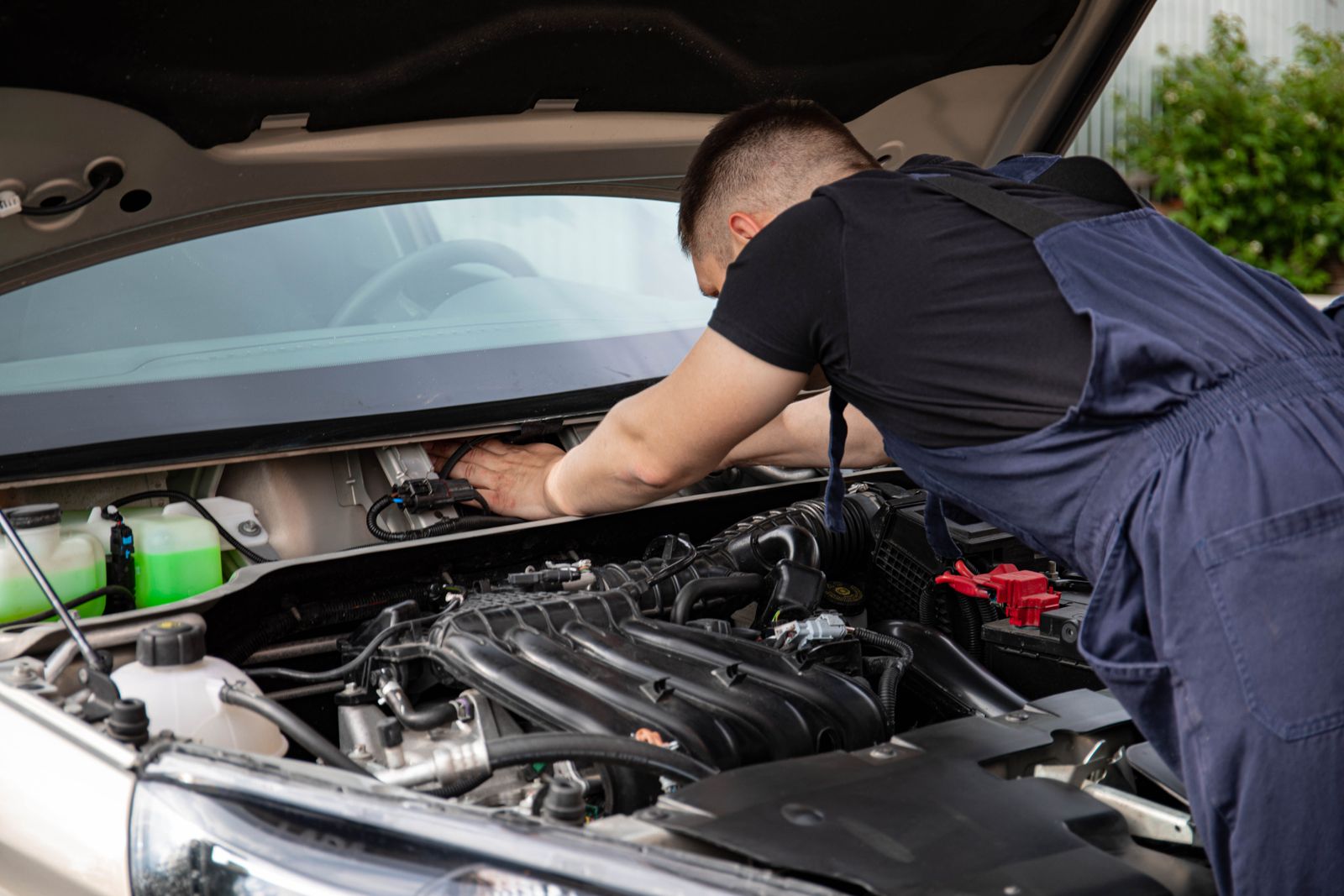
When Mark’s car arrived at the independent shop, the technician there didn’t treat it like a mystery novel. He pulled the dipstick, saw what was basically a dry stick, and then looked underneath. The oil pan area was a mess—not the slow, grimy seep of an old leak, but fresh splatter and streaking, like something had been open and spinning.
That’s when the mechanic noticed the drain plug situation. Depending on the exact car, it’s either missing entirely or sitting there finger-loose, hanging on by a thread, the kind of “installed” that lasts until the first decent bump in the road. He called Mark and kept it simple: if the car left an oil change without a properly installed drain plug, it could dump oil fast and seize even faster.
Mark wasn’t trying to play detective; he just wanted his car back. But once you hear “drain plug,” you can’t unhear it. It’s not a vague “maybe it was your engine’s time,” it’s a very specific, very human error that has one obvious origin: the last people who touched it.
Back to the Shop, Where Everyone Gets Defensive
Mark showed up at the quick-lube in person, not screaming, but with the kind of calm that makes employees nervous because it means paperwork is coming. He had the receipt from yesterday, the towing invoice, and the mechanic’s notes on his phone. The manager met him at the counter like a bouncer who’d been told someone was trying to bring drama inside.
They did the whole standoff conversation in front of the air freshener display. Mark explained, again, that the car had no oil and a drain plug problem. The manager repeated, again, that they do oil changes correctly, and that the shop can’t be responsible for “every mechanical issue that happens afterward.”
The moment that made it personal was when the manager implied Mark was angling for a free engine. Not directly, but with the tight smile and the “we’ve seen this before” vibe. Mark, who had just had his day wrecked by a dead car, heard that as “you’re lying,” and you could practically feel the conversation move from problem-solving to ego-protection.
Mark asked for one simple thing: check the security video. Quick-lube shops usually have cameras pointed at the bays and the pit, partly for theft and partly because customers get weird about their cars. The manager hesitated, and that hesitation was the first crack in the whole “couldn’t be us” performance.
The Trainee in the Bay and the Missing Plug
They pulled the footage, and it wasn’t some grainy maybe-this-maybe-that clip. It was clear enough to watch the sequence: the car rolls in, the hood goes up, and a trainee—young, nervous posture, moving like he’s counting steps—slides under the front end. You can see the familiar routine: drain oil, swap filter, refill, check, send it out.
Except the routine breaks in the middle, and that’s the part everyone in the room locks onto. The trainee drains the oil and steps away, and there’s this subtle chaos that happens in shops like that: another car honks outside, someone calls for a specific filter, a senior tech gestures, and the trainee’s attention pulls away from the one task you can’t leave half-done.
On the video, the trainee comes back, but not in the way you’d want. He moves like he’s trying to catch up to the pace around him, wiping his hands and grabbing something, and then the car is lowered and rolled out. There’s no clear moment where he reinstalls the plug, no obvious reach, no torque motion, none of the body language that says “I’m tightening a critical fastener.”
Worse, as the car backs out, the footage shows a dark line forming under it, then a spreading stain that looks exactly like oil. It’s the kind of visual that makes your stomach drop, because it turns an argument into a timeline. Mark doesn’t have to convince anyone anymore; the shop is watching it happen.
The manager’s face is the second story happening inside the story. He goes from confident to quiet, from “we didn’t do that” to staring at the screen like it might change if he watches it hard enough. There’s a brief moment where he tries to salvage it—maybe it was something else, maybe it spilled from the filter—but the puddle forming under the oil pan area kills that line of defense immediately.
Damage Control, Finger-Pointing, and What Money Can’t Fix
Once the footage confirms the missing-plug scenario, the shop’s posture flips. The manager stops arguing causation and starts talking process: they’ll “open a claim,” they’ll “review with corporate,” they’ll “need documentation.” It’s a whole new language, one that sounds cooperative but also buys time.
Mark’s not satisfied, because now he’s thinking about how long his engine ran dry. He’s thinking about commuting, rent, and the fact that “we’ll file paperwork” doesn’t get him to work on Monday. The manager, meanwhile, is trying to keep the situation contained inside the shop walls, like if it stays procedural enough it won’t become a bigger problem.
Behind the counter, you can tell there’s panic about the trainee. Nobody wants to be the person who says, out loud, that a new kid’s mistake might’ve just cost the company an engine. There’s also that uncomfortable reality: the trainee didn’t send the car away alone—someone signed off, someone moved it, someone was supposed to notice a fresh oil slick under a car that had been in the bay five minutes earlier.
The manager offers to tow it back to their shop for “inspection,” which is where Mark’s trust finally snaps. He’s already got an independent mechanic telling him what happened, and now he’s supposed to hand the car back to the same system that let it leave empty. Mark insists everything goes through the mechanic and that any adjuster can talk to them, but the car isn’t returning to the bay where it died.
By the time Mark leaves, the manager is no longer denying the video. He’s just not saying the words Mark wants to hear—“We did this, and we’re paying for it”—because saying those words means accepting a cost that’s bigger than a refund and heavier than an apology. Mark’s left with a seized engine, a shop that got caught on camera, and a process that’s about to turn into weeks of calls, estimates, and someone, somewhere, trying to negotiate what his ruined car is worth on paper.
The wild part isn’t that a trainee made a mistake—people mess up in every job—it’s how quickly the manager chose confrontation over curiosity until the video forced his hand. Mark didn’t get a neat moment of justice, just the grim satisfaction of being right while still being stranded. And that’s the last note the whole thing lands on: the car’s engine is still dead, and now the only question is whether the shop treats the footage like accountability or like a liability to manage.
More from Steel Horse Rides: