
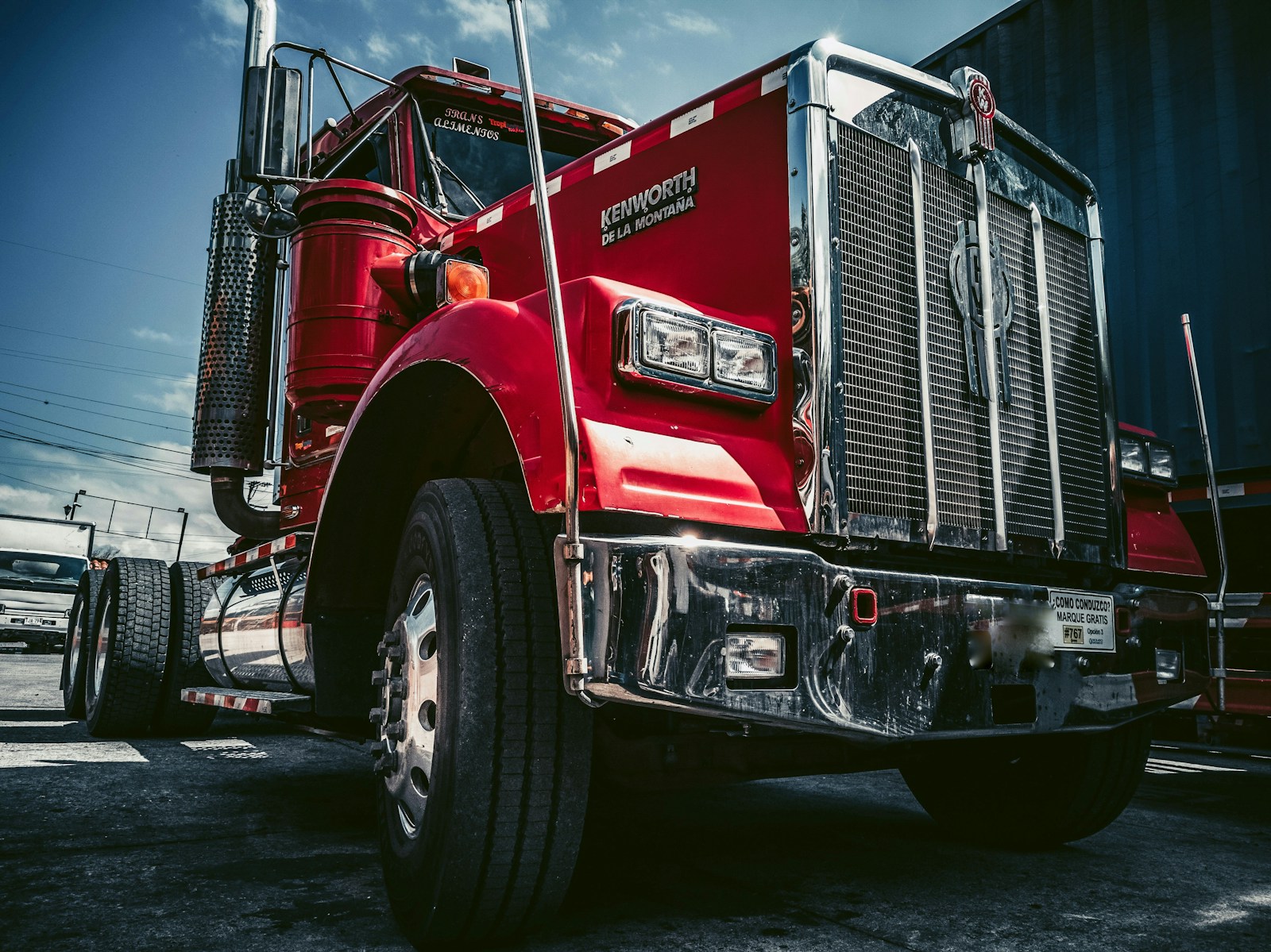

He bought the diesel because he wanted the “do everything” truck—haul a trailer, commute in comfort, maybe flex a little torque on the on-ramp. It wasn’t some clapped-out project either. It was financed, still nice enough that he cared where he parked it, and he still had that new-owner paranoia about weird noises and warranty fine print.
Then he fell into the familiar rabbit hole: late-night videos of guys rolling coal and talking about “freeing up power,” forum posts arguing about reliability, and a local shop that seemed to have a clean, confident answer for everything. The pitch was simple and smooth—delete the emissions equipment, tune it right, and the truck will finally run the way it was “supposed to.” More power, better mileage, fewer regen headaches. And, crucially, “we’ve done tons of these.”
So he paid for an illegal emissions delete. Not a cheap one either—proper hardware, a tune, the whole package. The shop handed the keys back with that proud little grin mechanics get when they think they’ve just “fixed” what the factory “messed up,” and for a couple weeks, it probably did feel like a win.
The sales pitch: “It’ll wake the truck up”
The shop didn’t frame it like a risky mod. They framed it like removing shackles. The aftertreatment system was the villain: the DPF, the EGR, the DEF stuff—expensive, finicky, and always one bad sensor away from putting the truck in limp mode at the worst possible time.
They talked numbers, too. Better throttle response. Lower exhaust temps. Less soot recirculating back into the intake. The kind of confident, offhand talk that makes it sound like everyone who doesn’t delete is just overpaying for problems.
And the owner bought it, because honestly, plenty of people do. There’s a particular way a diesel community can normalize it—like it’s not “breaking emissions law,” it’s “making it reliable.” He wasn’t trying to be a cartoon villain; he just wanted the truck to pull hard and not nag him with check-engine lights.
What he didn’t fully clock in that moment was what the shop was really selling: a chain of decisions that would end with him needing everyone to look the other way. Because once the truck is deleted, the list of people willing to touch it shrinks fast.
The honeymoon: quicker, louder, and just convincing enough
Right after the delete and tune, the truck felt different in the way that makes people defend mods like they’re defending a family member. It spooled faster. It sounded throatier. The shifts felt more aggressive, or maybe that was just the owner’s brain trying to justify the money.
He did what people always do: he drove it more. Longer errands. Extra highway pulls. A couple of towing runs where he swore the temps looked great and the truck finally felt “unstressed.” If there were tiny red flags—odd idle behavior, a whiff of extra heat, a weird hiccup—those were easy to rationalize as “tune learning” or “diesel quirks.”
The shop stayed friendly during that period, too. If he called with a question, they had an answer. If he swung by, they’d plug in, glance at data, and send him back out with a casual “you’re good.” The vibe was that he’d joined the club, and the truck was now on the “right” side of the diesel world.
Then, not long after the glow of the mod wore off, the truck started doing the thing every diesel owner dreads: it stopped feeling normal in a way you couldn’t ignore.
The failure: when “a little off” turns into catastrophe
It didn’t grenade in a cinematic explosion. It was more like a slow realization that something was wrong, followed by a rapid cascade of expensive noises. Maybe it began with a rough start one morning, or a sudden drop in power under load, or a new sound that didn’t match any “normal diesel” description.
He limped it home once, then tried again the next day because denial is cheap. The truck made it a little while—long enough to tease him—then it went into full failure mode. Warning lights, smoke, maybe a knock, maybe a runaway sensation that made him back out immediately. The kind of moment where you’re gripping the wheel thinking, “This is going to cost me.”
When it finally died, it didn’t die politely. It left him stranded with a dead-weight truck and that sinking feeling that the mod he paid for might be the reason nobody’s going to want to help him now. Tow trucks don’t care why it broke, but the next people in the chain absolutely do.
He got it hauled to a dealer first, because that’s what you do when a modern diesel blows up. You want the people with the scan tools, the factory training, and the ability to order parts without guessing.
The dealership wall: “We can’t touch it like this”
The service desk interaction was awkward in that very specific way where everyone is being polite while silently measuring how bad the conversation is about to get. The advisor asked questions, wrote notes, then someone went to look under the truck. It didn’t take long for the vibe to change.
The delete wasn’t subtle. Missing emissions equipment isn’t like an aftermarket air filter you can shrug off. The truck had been altered to remove federally required components, and the dealer staff wasn’t going to pretend otherwise.
So the owner got the dreaded line: they wouldn’t repair it. Or they wouldn’t diagnose it without returning it to stock first. Or they couldn’t open a warranty claim. The wording varies, but the message is the same—this truck is now radioactive, and nobody at a franchise store wants their name on the paperwork.
He tried another dealer. Same result. Even if a technician personally wanted to help, the dealership has policies, audits, and a whole corporate structure designed to avoid exactly this. The owner wasn’t just asking them to fix an engine; he was asking them to step into a legal and compliance mess.
That’s when the financial part of the story stopped being hypothetical. The truck payment didn’t care that the engine was dead or that the dealers refused it. He still owed around $26,000, and now he owned a non-running diesel that the official repair network wanted nothing to do with.
Back to the shop: blame, dodging, and the fine print nobody remembers signing
With the dealers out, he went back to the shop that sold him the delete, expecting some combination of accountability and problem-solving. This is the part where expectations and reality collide hard. The shop might’ve sounded confident when they were selling power, but engine failures turn confidence into caution fast.
They offered theories. Maybe it was pre-existing. Maybe it was “bad fuel.” Maybe the truck had a weak part that would’ve failed anyway. The tune was safe, they said. They’d done a million of them. And besides, once you start chasing a failure inside a modern diesel, every path leads to expensive.
The owner wanted them to stand behind the work. The shop wanted to stand behind their disclaimers. A lot of these places operate with paperwork that basically says: off-road use only, no warranty on the engine, customer assumes risk, performance tuning can lead to failure, etc. People sign it because it’s just another page in a stack, and because nobody plans to be the cautionary tale.
And even if the shop did want to help, what “help” looks like is complicated. Are they rebuilding the engine? Sourcing a used one? Putting it back to stock so a dealer will touch it? Every option costs thousands, and the shop doesn’t want to eat that bill for a customer they might never see again.
So the owner was stuck in the worst possible middle: the dealership network wouldn’t touch a deleted truck, and the delete shop wasn’t stepping up to write a five-figure check for a blown engine. Meanwhile, the lender still expected the monthly payment like nothing happened.
The $26,000 problem: a financed truck that’s now basically unsellable
The brutal part is how quickly the truck’s value turns into a riddle. A dead engine is already bad. A dead engine in a modern diesel is worse. A dead engine in a modern diesel that’s been deleted is a problem most normal buyers won’t even consider, because it screams “unknown tune, unknown stress, unknown future.”
Private sale? Maybe, but anyone savvy enough to buy it is savvy enough to lowball hard. Trade-in? Not happening, or it’s pennies. Insurance? Not a crash, not a covered event. And even if he wanted to reverse the delete, he’d need to buy back all the emissions parts—expensive parts—then pay labor, then still pay for the engine work.
He started calling independent diesel builders, the kind of places that aren’t scared of custom work. Some would talk, but the numbers were gutting. A replacement engine, turbo, fuel system checks, tuning corrections, potential contamination—suddenly you’re staring at totals that feel insane until you remember how complex these trucks are.
And all of it sat on top of that original loan balance. Even if he sank another $15,000–$20,000 into making it run, he’d still be upside down. He wasn’t just paying for a repair; he was paying to get back to a starting line he’d already crossed.
The story ends where these stories usually end: with the owner doing math at his kitchen table, trying to figure out which bad option is the least deadly. Pay for an engine he can’t really afford, or keep paying on a truck he can’t drive, or try to sell a deleted, blown diesel to the one buyer who won’t ask questions. The most tense part isn’t the mechanical failure—it’s the quiet reality that the modification didn’t just break the engine, it broke the normal escape hatches people rely on when a vehicle goes wrong.
More from Steel Horse Rides: