
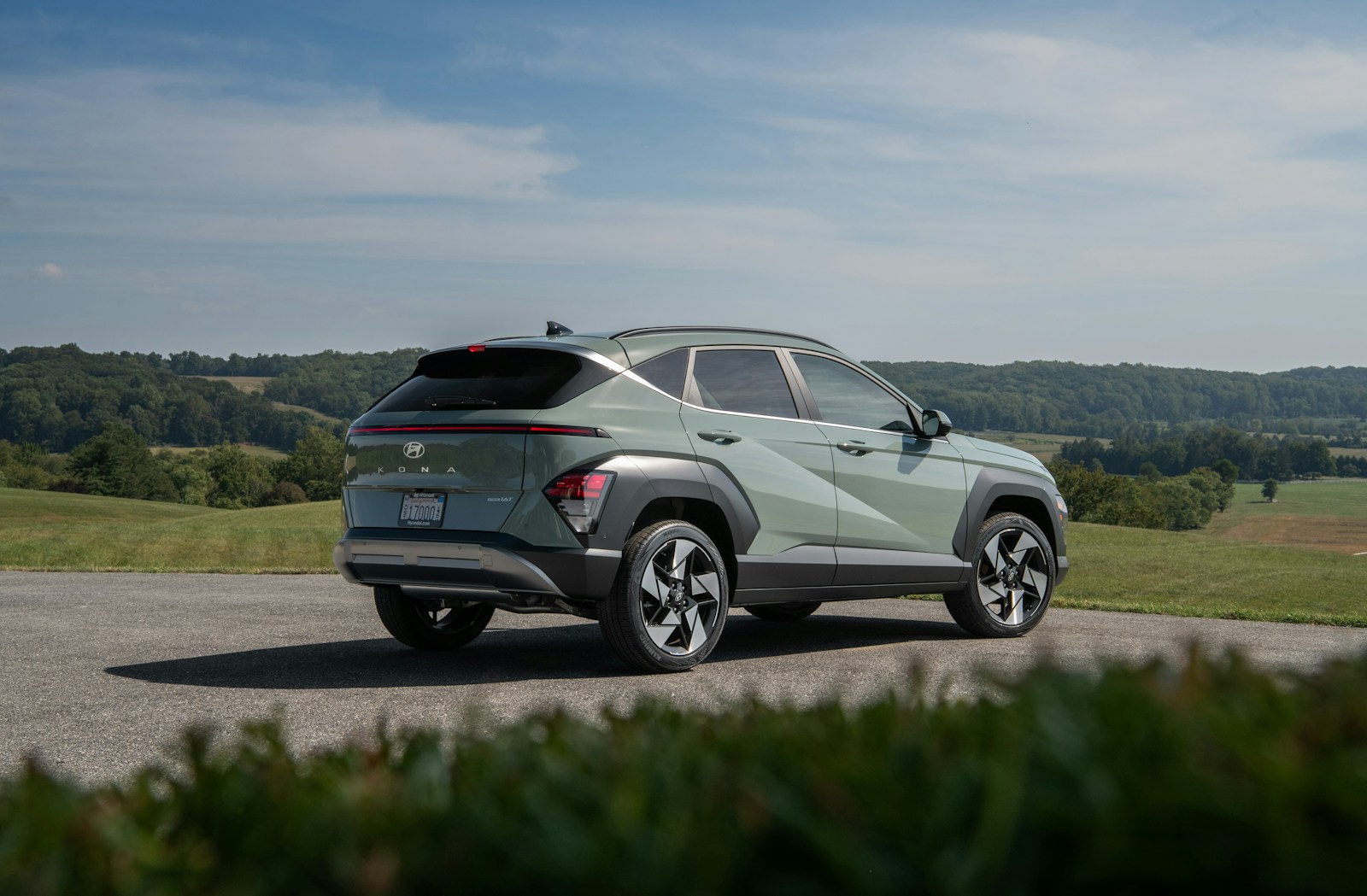

It started the way a lot of dealership stories start: a customer doing everything the “right” way and still getting sucked into a mess that feels impossible to explain without sounding like a liar.
She’d come in for a mid-size SUV she’d picked out online, the exact trim and color she wanted—one of those models that’s everywhere now, so common you could park three of them in a row and your own mother wouldn’t know which one was yours. The salesman did the usual routine, the paperwork got signed, the keys got handed over, and she drove off thinking the most stressful part of the day was over.
Three days later, she was at work when her phone started lighting up with missed calls from a number she didn’t recognize. Then the messages came through: the dealership saying she needed to bring the vehicle back immediately. Not “please come by when you can,” but the kind of urgency that reads like either a threat or a panic attack typed with two thumbs.

The “Congrats on Your New Car” Hand-Off
On the day she bought the SUV, nothing felt off in a way that would make a person stop and double-check everything. She did a quick walkaround, glanced at the interior, got the basic “here’s how the screen works” tutorial, and took off. She wasn’t expecting a scavenger hunt; she was expecting a car-buying experience, which is already exhausting enough.
The vehicle itself didn’t throw any red flags. Same color as the one she test drove, same trim package, same general smell of “this has been detailed within the last two hours.” If there was a tiny difference in VIN, or a slightly different set of floor mats, that’s not the sort of thing most people catch when they’re juggling insurance, financing, and the weird adrenaline of spending a huge chunk of money.
She drove it like a normal person drives a new-to-them car: to work, to run errands, to show a friend, to sit in the driveway and play with settings she didn’t need. The whole time, she’s under the impression the SUV is hers—or at least the one she’s responsible for, per the contract she signed.
Day Three: The Phone Calls That Don’t Make Sense
The first call she actually answered didn’t come with an apology or even a coherent explanation. It was more like someone on the other end was trying to speak fast enough to outrun their own mistake. They said she needed to bring the SUV back right away because there was an “issue” with the vehicle she had.
She asked what kind of issue, expecting something mechanical. Instead, she got this slippery non-answer: it wasn’t about a defect, it was about “inventory,” and they needed the car “back on the lot.” The tone wasn’t customer-service-friendly either; it sounded like she’d done something wrong by simply having the thing they gave her.
She told them she was at work and couldn’t just leave. Plus, she’d already put some miles on it—commute miles, regular life miles—and she didn’t love the idea of driving back only to get ambushed with some new demand or paperwork. The dealership pushed harder, and that’s when she started getting that prickly feeling that this wasn’t a simple fix.
The “Stolen Vehicle” Move
Here’s where it veered from annoying into surreal. Instead of scheduling a time, or offering to send someone out, the dealership apparently decided the nuclear option was the easiest one: they reported the SUV as stolen.
Not “we made an administrative error,” not “our employee handed out the wrong unit,” not “we need law enforcement to help us recover inventory.” Stolen. As in, the customer who signed papers and drove away with their keys was now, on paper, a person who had taken a vehicle without permission.
She didn’t even know that had happened until the police showed up at her workplace. And not like a casual “hey, can we talk in the lobby?” situation. The story goes that multiple officers arrived, treated it like a real stolen car recovery, and boxed the SUV in as if she might take off in it the second she saw a badge.
Imagine being in the middle of your workday and suddenly coworkers are whispering because police are outside surrounding your car. Not a speeding ticket. Not a broken taillight. A stolen vehicle call. She’s trying to explain through a fog of panic that she bought it from a dealership three days ago, and the officers are looking at her like that’s exactly the sort of thing someone would say.
The VIN Problem That Should’ve Been Their Problem
Once the immediate “is this person going to run?” energy died down, the situation turned into paperwork theater. She had proof of purchase, but what she had proof of purchasing wasn’t the SUV she was sitting in. The contract had a VIN on it, and the VIN on the dashboard and door didn’t match.
What happened—according to the way these stories usually unfold—is that two identical SUVs were in the dealership’s system. Same year, same model, same color, similar packages, and someone grabbed the wrong keys and sent the wrong one out. That’s an internal mistake, the kind of mistake that should result in an embarrassed manager and a quick fix, not a felony accusation hovering in the air.
The police, stuck in the middle, did what police do in these weird civil-meets-criminal gray zones: they verified the vehicle was reported stolen, confirmed the VIN mismatch, and treated the report like it mattered more than the customer’s very reasonable explanation. The customer wasn’t handcuffed in every version of this kind of story, but the humiliation was the point either way—being questioned at work while your employer and coworkers watch you try to prove you didn’t steal a car you paid for.
Eventually, the dealership had to admit the obvious: they’d handed her the wrong SUV. The car she had belonged to someone else in their inventory, and the car on her contract was sitting on the lot or had been sold to someone else. Either way, it was their mess, built out of their own laziness and bad process.
And Then They Tried to Bill Her for Driving It
You’d think the next part would be a clean apology and a frantic effort to make things right. Instead, the dealership tried to pivot into offense like they were the injured party. After the police recovered the SUV and the immediate crisis ended, the dealership told her she was responsible for the mileage she put on the vehicle.
Not “can you help us reconcile the miles for our records.” Pay for it. Like she’d rented it. Like she’d borrowed it. Like she hadn’t been the person they handed keys to with a smile and a “congratulations” speech.
It’s the kind of demand that makes a person’s brain short-circuit, because what are you even supposed to say? “Sorry I drove the car you told me to drive”? The nerve of it is what sticks—reporting it stolen, having her surrounded at work, and then trying to squeeze her for the privilege of being publicly accused of theft.
She pushed back, obviously, and the dealership’s stance seemed to be that their internal error still somehow translated into her owing them money. It’s that classic corporate move: create chaos, then act like the consumer is the one who introduced risk into the system by existing.
The most unsettling part isn’t even the mileage demand, though that’s infuriating on its own. It’s the fact that the dealership was willing to press the “stolen” button with her name and her workplace reality attached to it, and then act like it was just a tool to get their inventory back faster. Because even if she walks away without paying a dime for those miles, she’s still the one who had to stand there while police treated her like a suspect—at her job, in front of people whose opinions she has to live with long after the dealership has moved on to its next “mix-up.”