
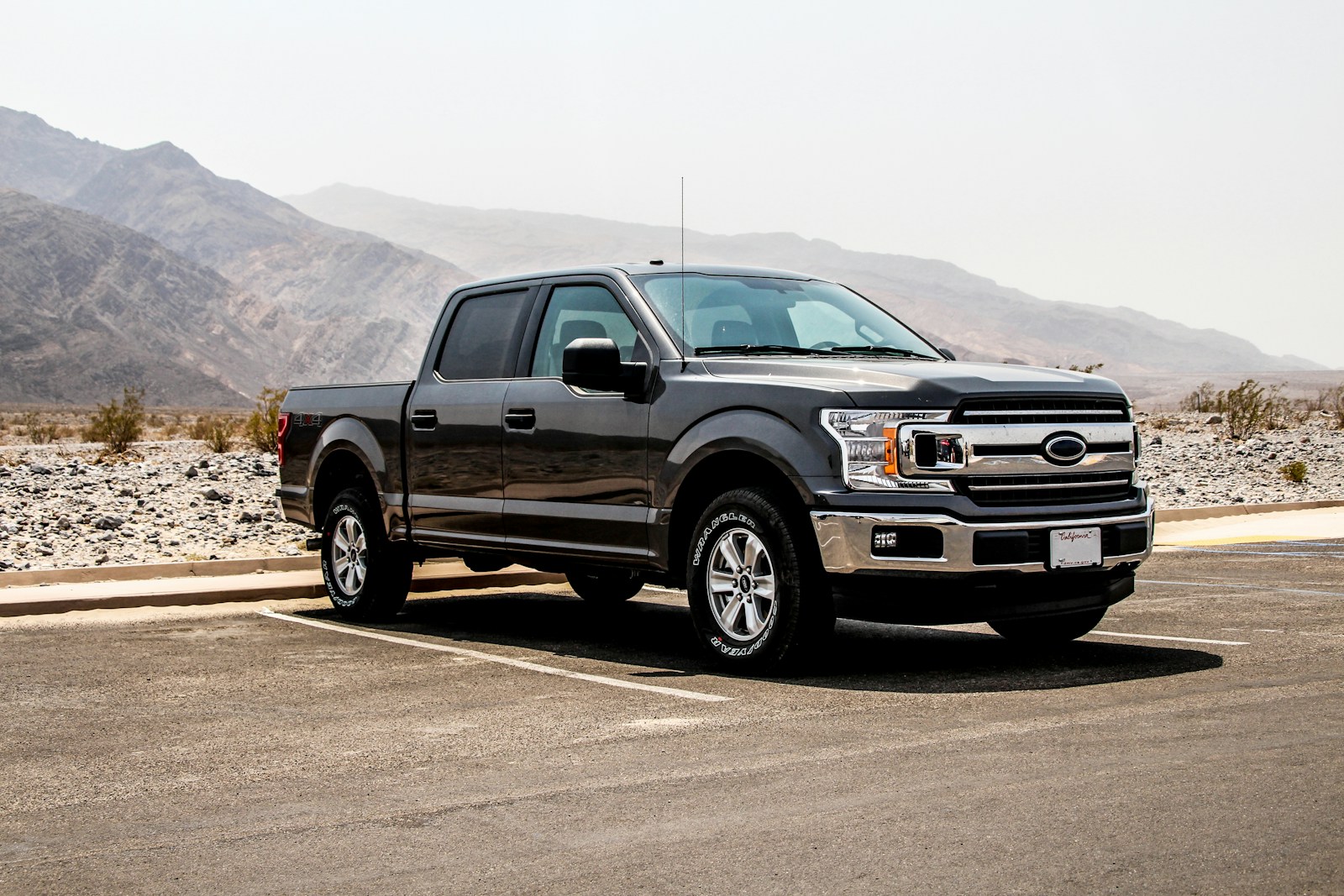

By the third time she saw the truck, she stopped trying to laugh it off.
It was the same beat-up dark pickup with a dented rear panel and a crooked sticker in the back window, sitting a few cars behind her at the same red light. The first time, she’d chalked it up to commuting routes being predictable. The second time, she’d noticed it again on the highway, keeping the same pace even when she changed lanes. The third time, it wasn’t just “huh, weird.” It was the kind of pattern your stomach registers before your brain is ready to admit it’s a pattern.
She was a regular person with a regular schedule—office job, decent neighborhood, reliable little sedan she’d had forever. She didn’t have enemies, didn’t have an ex stalking her, didn’t have the kind of life that comes with tailing and surveillance. Which is why it bothered her so much that she couldn’t explain it without sounding paranoid.
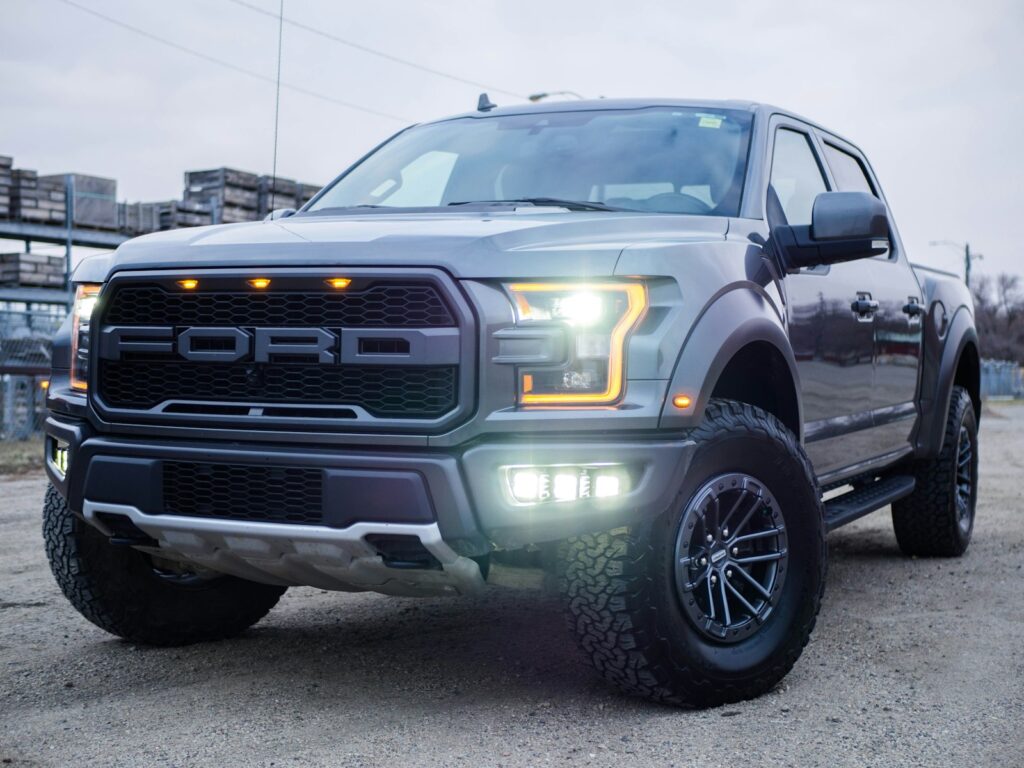
The “coincidences” start stacking up
On commute number one, she noticed the truck behind her leaving her neighborhood, then again later on a long stretch where there weren’t many exits. She mentioned it casually to a coworker that morning, like a throwaway comment: “I swear the same truck was behind me forever.” Nobody bit, so she let it go.
Commute number two was when it got sharper. She took a slightly different route home—one extra turn, a different on-ramp—because she wanted to stop at a pharmacy. The truck showed up anyway, not immediately, but close enough that it made her skin prickle. When she finally pulled into her apartment complex, she saw it roll past the entrance slower than traffic normally did, then continue on.
She started doing what people do when they don’t want to feel crazy: collecting little pieces of proof. She took a quick photo at a stoplight, mostly of the grill and the shape, not the plate. She texted a friend: “If I go missing, it’s a black pickup with a janky sticker.” It was half-joke, half not.
The coworker with the too-timely kindness
Right around this time, the coworker started acting… helpful. Not in the friendly, normal way, but in the way that always seems to pop up when someone’s testing boundaries. He’d been at the office for a while—pleasant enough, always around, always finding reasons to be in the same spaces.
He began “coincidentally” offering her rides. Not once, but repeatedly, and always framed as if he were just being considerate. “Hey, I’m heading that direction anyway,” he’d say, or “I saw it’s supposed to rain later, want me to drop you?” Even when she said no, he kept doing it, like her refusal was a temporary misunderstanding he could outlast.
The timing was what made it feel off. He’d show up at the end of the day right as she was grabbing her bag, as if he’d been waiting for her to stand up. If she left early for an appointment, he’d somehow know and make a comment—nothing directly incriminating, just little observations that landed wrong. “Oh, you’re leaving now?” delivered with a smile that didn’t quite match.
After the third truck sighting, she caught herself looking at him differently. It wasn’t that she had a solid accusation yet. It was that the whole situation started to feel like someone was circling her life, checking doors, seeing what was unlocked.
She changes her routine, and the truck still finds her
She did what anyone with a busy job and a growing sense of dread does: she tried to outsmart the pattern without telling too many people. One morning she left fifteen minutes earlier than usual. Another day she switched to a side route that was longer but less direct. She even stayed late once, thinking if she broke the rhythm, whatever was happening would break too.
The truck didn’t disappear. It wasn’t behind her every single time, which somehow made it worse, because it felt intentional—like whoever it was didn’t want her to get too certain. But it showed up often enough that she started checking her rearview mirror more than the road, waiting for that familiar shape to appear.
By the end of the week, she had that jittery, overstimulated feeling of being watched. She’d walk to her car scanning the lot, keys threaded between her fingers, hating herself for the fear and hating herself for trying to pretend she wasn’t afraid. When she mentioned the truck to a different coworker in the break room, she didn’t make it a joke this time.
That coworker didn’t laugh. She asked, “Have you checked your car?” in the quiet voice people use when they’re taking you seriously.
The moment under the bumper
They went out together at lunch, crouching down in the parking lot like they’d dropped something. It wasn’t a dramatic search with flashlights and tools. It was two adults pretending to tie a shoe while looking under a sedan’s frame, trying not to make a scene.
She didn’t even see it at first because it was placed like somebody knew what they were doing. A small black box tucked up under the rear area, magneted to the metal, not dangling or obvious. The coworker pointed and her stomach dropped so hard she felt it in her throat.
Up close it looked exactly like what it was: a magnetic GPS tracker, the kind you can stick under a vehicle and forget about while it quietly reports location. It wasn’t wired into her car; it didn’t need to be. It was just… there, like a parasite.
She didn’t yank it off immediately. She froze in that way people freeze when something confirms the fear they’ve been trying to manage. Then she did pull it off, hands shaking, and they wrapped it in a napkin like it was evidence from a crime show, even though it was just a nasty little rectangle that suddenly made her entire week make sense.
How it led straight back to him
She called the non-emergency line from inside her car with the doors locked, because suddenly the parking lot didn’t feel like work anymore—it felt like a place where someone had accessed her vehicle without permission. An officer met her, took a look, and asked the question that made everything go quiet: “Do you recognize anyone who might do this?”
She didn’t have to answer right away, because the tracker gave them a path. It had identifying information—brand, serial number, and the kind of registration you don’t think about until you’re desperately hoping it exists. The officer explained that sometimes these devices are linked to accounts or purchase records, and sometimes they’re just anonymous hardware. This one wasn’t anonymous enough.
The registration didn’t lead to a stranger. It led to a name she knew from the office directory. Same coworker. The one who kept offering rides, always “heading that way,” always appearing at the right time.
When she heard it, she felt that horrible split-second of relief and nausea. Relief because she wasn’t imagining it. Nausea because the person wasn’t a faceless creep in a truck—he was someone who knew her schedule, her workplace, her habits, the exact days she brought leftovers and the days she grabbed coffee out.
HR got involved fast, but “fast” is a weird thing when you’re the person who has to keep breathing through the next hour. She had to sit in a small room and repeat herself while people asked for dates, times, and whether she’d ever “given him the impression” they were friends. The questions weren’t openly blaming, but they had that edge of bureaucracy that makes you feel like you’re on trial for your own fear.
The coworker denied it at first, according to what she later heard. Then he shifted to excuses that didn’t actually explain anything—claims about “safety,” about wanting to make sure she got home, about how he’d “noticed” she was stressed. The kind of story that tries to sound caring while quietly ignoring the fact that he’d put a tracker under her car without consent.
After that, the details got messy in the way these situations always do: security footage requests, who had access to the parking lot, whether he’d been near her car, whether the company could terminate him immediately or needed to “investigate.” She changed her route again, not because it would fix anything, but because her body couldn’t tolerate the old one. And even with the tracker gone, she kept checking the rearview mirror, because the last thing the week taught her was that “coincidence” can be manufactured—and that the scariest part wasn’t the device under her car, it was how normal he’d seemed while he was doing it.
More from Steel Horse Rides: