

They’d been on the road for hours, the kind of long, flat drive where the scenery barely changes and every tiny irritation starts sounding like a personal attack. The air-conditioning was working but not well, and the car had that stale fast-food smell that clings to the seats no matter how many times you crack the windows. Somewhere between a missed exit and a passive-aggressive comment about “always being the one who has to plan everything,” the argument stopped being about directions.
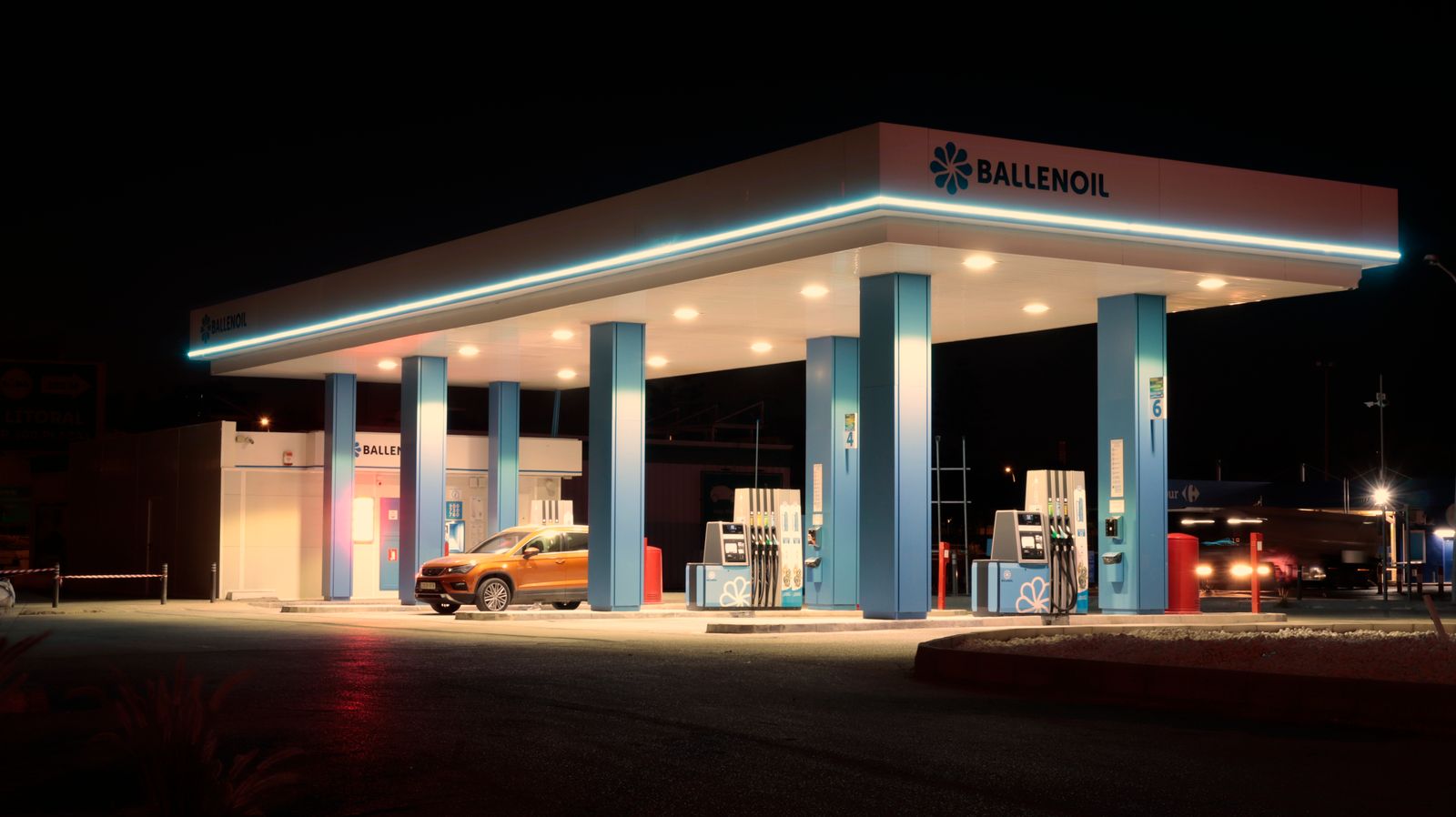
By the time they pulled into a lonely desert gas station—two pumps, a sun-faded sign, a convenience store that looked like it had been there since the 90s—both of them were tight-jawed and done pretending they were fine. She got out first, mostly to breathe, mostly to stop saying things she couldn’t take back. He stayed in the driver’s seat, hands on the wheel, looking straight ahead like the steering column was more reasonable than the person next to him.
She’d left her phone in the center console when she stepped out. Her medication was in her purse, which was still in the car because the plan was “quick stop, bathroom, back on the road.” And she didn’t clock any of that as a risk until she heard the car door thud, the engine rev, and the gravel pop under the tires as he pulled away from the pump like he was escaping a crime scene.
The argument that turned into a power move
It wasn’t the first fight they’d had, but it was one of those fights that makes you realize you’re not actually fighting about the thing you think you’re fighting about. He’d been sniping at her since breakfast, acting like every question was an accusation. She’d finally snapped after he made a crack about her “forgetting stuff” again—said in that tone that’s halfway joke, halfway contempt.
She’d told him to stop talking to her like she was a child. He’d fired back that he wouldn’t have to “manage everything” if she could “handle basic responsibility,” which was rich coming from the guy who’d lost his own wallet twice this month. The fight got louder in that enclosed car way, where you’re both trying to keep it controlled but your voices climb anyway because there’s nowhere for the anger to go.
When they pulled into the station, she assumed the silent treatment was the worst she’d deal with. He’d done it before—shut down, stare forward, wait for her to “calm down,” which usually meant “apologize so he can feel like he won.” She figured she’d use the restroom, buy water, reset the temperature in her body, then get back in and finish the drive with tense politeness.
Instead, he watched her walk toward the store and decided to escalate in a way that wasn’t just mean—it was deliberately destabilizing. He didn’t toss her bag out. He didn’t honk or shout. He simply left, taking the car, her phone, and her medication like those were bargaining chips he was entitled to hold.
Stranded in the worst kind of quiet
At first she stood there blinking like her brain hadn’t caught up to the physics of what just happened. A few seconds passed, then a full minute, and the reality settled: he wasn’t circling the lot. The car wasn’t coming back around the corner. The heat pressed in immediately, that heavy desert heat that makes your skin feel too small.
She ran a few steps toward the road like that could change anything, then stopped because it was pointless and also humiliating. There were two other cars at the pumps, both with drivers who suddenly found their dashboards fascinating. The cashier inside the store looked up when she walked in too fast, too pale, and asked if she was okay in the careful voice people use when they don’t want to get involved but also don’t want blood on the floor.
She didn’t have her phone, so there was no calling family, no checking maps, no pretending she had a plan. She asked the cashier if they had a landline, and of course they didn’t—just a card reader and a “No Public Phone” sign that had clearly survived multiple desperate conversations. Her wallet was in her pocket, but it didn’t matter much without a way to reach anyone or arrange a ride.
Then the medication piece hit her in a colder way than the anger. This wasn’t just a “my husband is being a jerk” situation; this was “I have a prescription I’m supposed to take on schedule, and he just drove off with it.” Even if she could tough out the embarrassment and the fear, her body was going to force the issue sooner or later.
Asking strangers for help, and making it real
She tried to keep it contained at first, because part of her still expected him to come back any minute, smirking, acting like he’d “taught her a lesson.” But after twenty minutes, then forty, it stopped feeling like a tantrum and started feeling like abandonment. She asked a woman at the pump if she could borrow a phone, and the woman hesitated for a beat—long enough to sting—before handing it over.
The call she made wasn’t to him. That was the point where she realized calling him would be agreeing to the terms of the game: plead, negotiate, prove she deserved to be picked up. She called a family member first, voice shaky, trying to explain without sounding “dramatic,” because she knew the way he’d later frame it: she overreacted, she embarrassed him, she made him look like a monster.
Her relative told her to call the police, not because they were going to launch a desert manhunt, but because she needed a paper trail. Being left without a phone, without medication, in an isolated area isn’t a marital spat—it’s putting someone in a vulnerable situation and walking away. The moment she said that out loud to herself, something shifted from stunned to furious.
When she called, she didn’t embellish. She gave the location, described the car, explained that her husband drove away with her belongings, including medication, and that she didn’t know if he intended to return. The dispatcher asked the kinds of calm questions that make you feel both safer and more embarrassed: Is she in immediate danger? Does she have water? Is there shelter? Is there someone with her?
Hours of waiting, and the slow collapse of the “it’s not that serious” mask
Two officers eventually arrived, the kind who look like they’ve done this dance a hundred times—domestic situations that start as “a fight” and end as “oh, this is bigger than I said.” They spoke to her in the shade by the building, not loud, not judgmental, but direct. One of them asked if this was the first time he’d done something like this, and she paused too long before answering.
She didn’t want to hand over her marriage in a neat little package of worst moments. But she also couldn’t un-know what she now knew: he was willing to weaponize access to basic safety. It wasn’t just cruel, it was calculated. He’d taken the one thing that would’ve let her call for help easily, and the other thing she literally needed for her health, then drove off like she’d be too scared or too loyal to do anything about it.
In the hours that followed, the desert day stretched in a way that made time feel sticky. Her relative arranged to come get her, but it was a long drive. The officers documented what happened, took a statement, and stayed in the area longer than she expected, probably because “husband returning” is a wild card and nobody wants it turning into a roadside screaming match with heatstroke as a bonus problem.
While she waited, she made decisions she’d apparently been circling for months. She asked her relative to bring a spare set of keys to her own place. She called her doctor’s office once she got access to a phone again, because she needed guidance on the missed medication. And she called an attorney—quietly, like she was doing something shameful—then felt oddly calm when the person on the other end didn’t sound surprised at all.
He comes back expecting submission, and finds consequences instead
He returned hours later, rolling into the station like nothing had happened, like he’d taken a scenic break to cool off and she should be grateful he’d come back at all. He parked, got out, and the first thing out of his mouth wasn’t “Are you okay?” or “I’m sorry.” It was some version of “So, are you ready to apologize?” said with that smug certainty of someone who believes the world resets when he decides it does.
Except the world didn’t reset. There were police cars in the lot, and two officers standing with their posture changed—less casual, more alert. Her relative was there too, close enough that she didn’t feel alone, and the difference in her body language was obvious: she wasn’t trying to keep the peace anymore.
He tried to pivot, immediately. First it was confusion—why are the cops here?—then annoyance—this is ridiculous—then defensiveness—she’s making it sound worse than it is. He started talking fast, hands moving, painting it as a “misunderstanding,” a “cool-off period,” a “she got out of the car and I left because she was yelling.” The officers didn’t argue with him; they just kept asking factual questions and watching his face when he realized the story wasn’t landing.
At some point, he reached into the car and pulled out her phone and her purse like returning property proved innocence. Her medication was still inside, exactly where it had been when he took off. He held it out like a peace offering, waiting for her to fold back into the old script where she’d swallow her anger and accept his version of reality because it was easier than a scene.
Instead, her relative handed him an envelope. Divorce papers, already prepared, not because she’d plotted some dramatic ambush, but because the hours he left her stranded gave her enough time to stop bargaining with herself. His face did that quick flicker people get when they realize control is gone—anger trying to wear the mask of disbelief.
He sputtered about timing and disrespect, about how she was “really doing this over a fight,” and the officers stepped in before it could tip into something uglier. She didn’t scream. She didn’t lecture. She just stood there, exhausted and sunburnt and steady, letting the official presence and the paperwork say what she no longer had the energy to explain.
And the part that lingered, the part that made the whole thing feel less like a single bad day and more like a long pattern finally snapping, was how he still looked betrayed—like she’d violated the marriage by refusing to be abandoned quietly. Even as he climbed back into the car, even as the consequences sat in his hands in black ink, his expression said he was still waiting for the apology he thought he was owed.
More from Steel Horse Rides: