
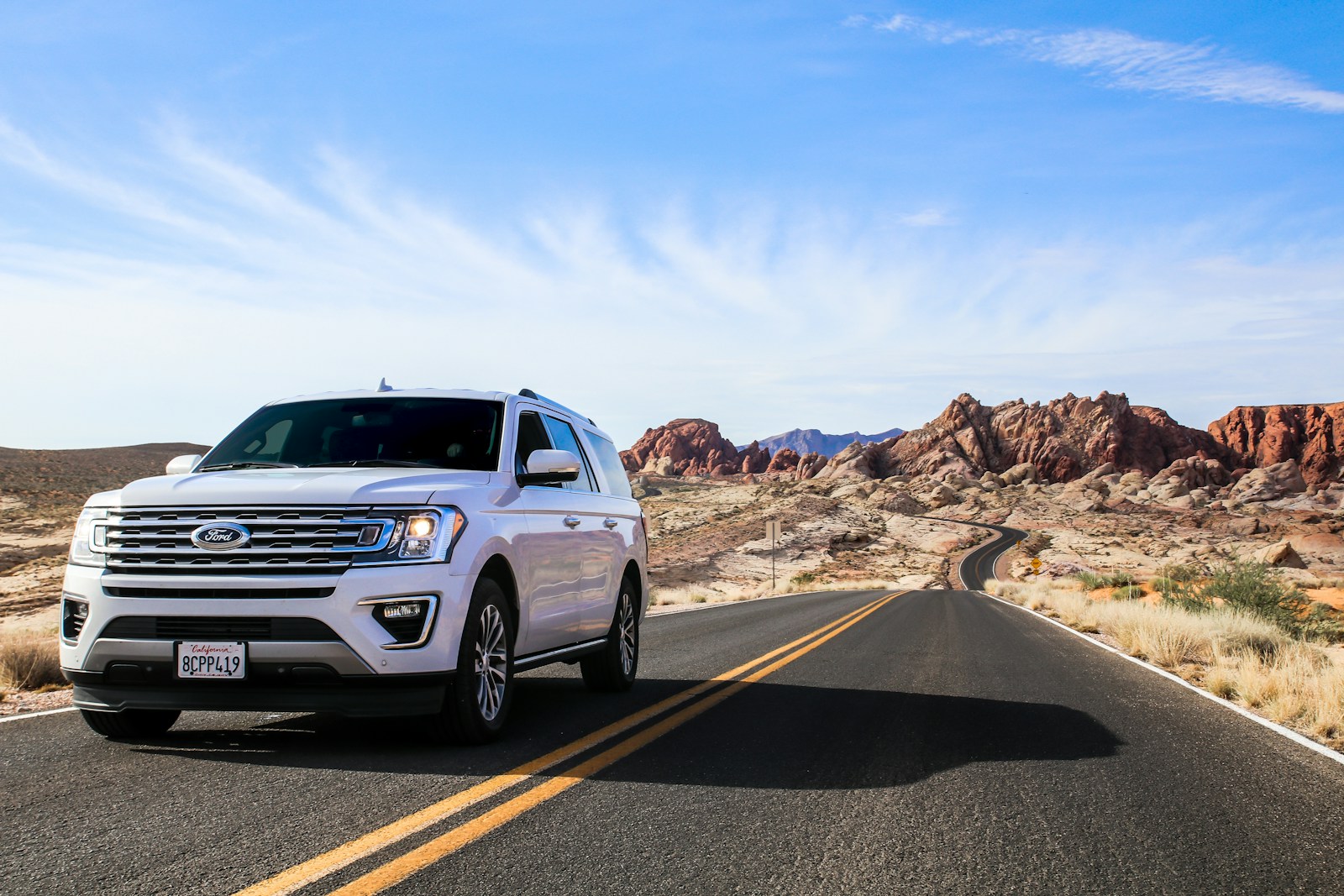

It started as one of those boring adult errands that’s supposed to take an afternoon and maybe a couple hundred bucks. A woman dropped her SUV off at a local repair shop for routine work, the kind of place with a cramped parking lot and a front counter decorated with faded flyers and old coffee. She expected a call when it was ready, a quick payment, and to be back on the road before dinner.
Instead, she picked it up and immediately felt like something was… off. Not “new brakes feel different” off, but “why does my car sound like the window is cracked open?” off. At highway speed there was this whistling wind noise that hadn’t been there before, a persistent rush that made the cabin feel cheap and leaky.
When she called the shop, the response wasn’t curiosity or concern. It was the automotive equivalent of a shrug: sometimes cars do that, wind noise is normal, maybe she just hadn’t noticed it before. They told her they’d “take a look,” but the whole thing had that vibe of someone trying to get you to doubt your own senses.
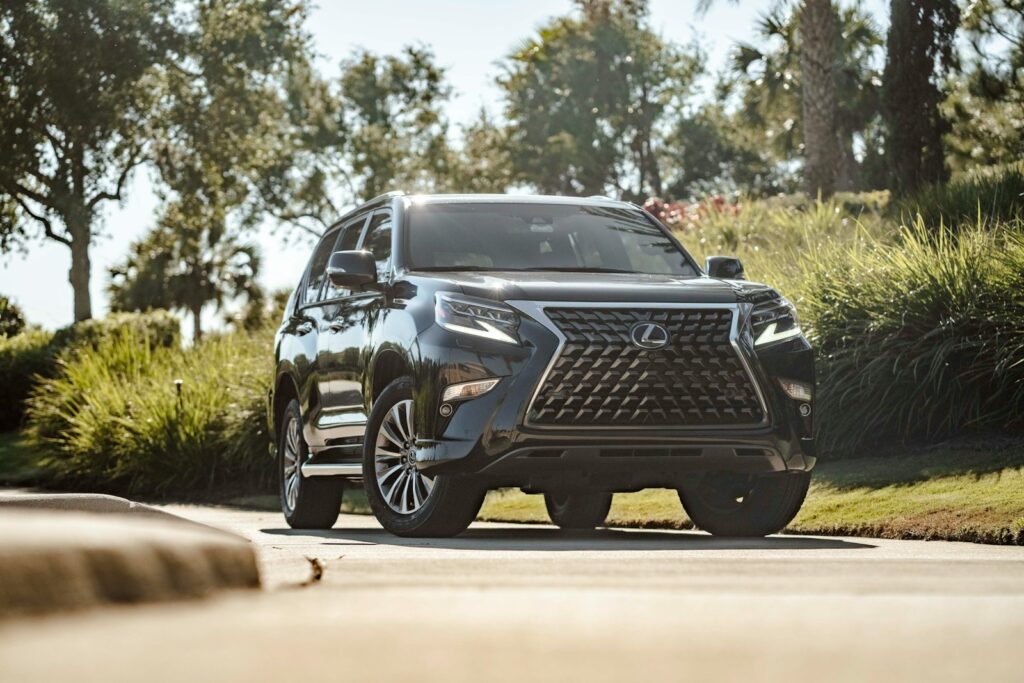
The pickup that didn’t feel right
She went back in and did the polite customer thing first. She asked if they’d done anything near the windshield or roofline, if the vehicle had been moved around, if there was any chance something shifted. The person behind the counter said no, not really, and slid into that practiced tone shops use when they’re trying to end the conversation without technically dismissing you.
So she drove it again, because what else do you do when someone tells you it’s normal? The wind noise was still there, and now that she was listening for it, it felt louder. She started noticing little details—door seals that looked slightly scuffed, trim that didn’t sit quite as flush as it used to, the vague impression that the roofline wasn’t as clean as she remembered.
That’s when the suspicion started to harden into something sharper. Wind noise doesn’t just appear out of nowhere on a vehicle that was fine last week. Something happened to that SUV while it was in their care, and the shop’s “normal” explanation wasn’t landing because it didn’t match the reality of the drive.
“We didn’t do anything,” and the problem with that answer
She brought it back again, more firm this time, and asked for a manager. The story didn’t change much: no accidents, no damage, they didn’t know what she meant, and if she was hearing wind noise it could be from the tires or the roof rack or the weather stripping “settling.” They offered to inspect it, but the tone was defensive—like they were humoring her, not investigating a real issue.
In the bay, an employee did the classic quick walk-around that looks official without taking too long. They pressed on the door seals, glanced at the windshield, and shrugged. If there were any marks or signs of repair, they weren’t going to point them out, and she didn’t have the mechanical vocabulary to force the conversation into specifics.
She left with that special kind of frustration: the feeling of being lied to in a way you can’t quite prove yet. It wasn’t just the noise anymore. It was the implication that she was either overly sensitive or too clueless to understand her own vehicle.
The crushed roof that allegedly “never happened”
Somewhere between that second visit and the next phone call, the story took a turn from annoying to surreal. She either noticed more clearly in daylight, or someone she trusted looked at the SUV and said, “Hey… what is going on with your roof?” The metal near the top didn’t look factory-smooth; it looked like it had been worked on.
Not a tiny door ding. Not a little crease. The kind of distortion you’d expect if something heavy met something thin and flexible at the wrong angle—like a roof pressing into a lift arm, or the whole vehicle shifting and coming down hard where it shouldn’t. The worst part was that it didn’t look fresh-fresh, like it happened this morning; it looked like someone had tried to make it look better.
That’s when the accusation became unavoidable. The shop didn’t just return her SUV with new wind noise. It returned with evidence of impact near the roofline, and the vibe shifted from “maybe it’s normal” to “why does it look repaired?”
She called again, and now the conversation had sharp edges. The shop insisted nothing happened, again. If there was damage, they implied, it must have already been there, or it happened after she picked it up, or she was mistaken about what she was seeing.
The quiet repair: fix it, deny it, send her home
The more she looked, the more it sounded like a scenario shops pray customers never confirm. Something big went wrong—something expensive and embarrassing—and instead of reporting it, they tried to patch it. Bodywork isn’t magic, and when you rush it, you can hide a dent but you can’t always restore the original alignment, seal, and geometry.
If the roof had been crushed and reshaped, even slightly, that would explain the wind noise. A windshield and roof seam is an unforgiving place for “good enough.” A millimeter of mismatch can turn into a whistle at 60 mph, and no amount of telling someone it’s normal is going to stop their ears from hearing it.
And the truly maddening part is how the denial plays out in real time. If a shop admits a vehicle was dropped, they’re on the hook—insurance, liability, a rental, possibly a total loss depending on structural damage. If they can keep you uncertain long enough, maybe you go away, or you accept a “normal” explanation because you don’t have a smoking gun.
So she started hunting for something more solid than vibes and weird trim lines. Because at this point, “I feel like” wasn’t going to beat a shop’s “we didn’t.”
The footage: six feet of truth
What finally cracked it open was security video. Not a confession, not a mechanic suddenly feeling guilty, but footage that showed the SUV falling off a lift. A clean, awful drop—about six feet—like the kind of thing you only see when something is catastrophically mispositioned or a lift arm slips.
There’s a particular humiliation to discovering this after the fact. She wasn’t told, wasn’t called, wasn’t given the chance to decide what to do next. They’d had the footage, or at least access to it, while they looked her in the face and told her wind noise was normal.
And suddenly every weird detail made sense. The crushed roof wasn’t an old blemish she forgot about. It was the roof meeting something it shouldn’t have met, followed by a rushed attempt to undo the obvious evidence. The wind noise wasn’t her imagination; it was the vehicle’s body no longer sealing the way it was designed to.
The question stopped being “did it happen?” and became “how long were they going to keep pretending it didn’t?” Because once a customer sees a vehicle drop in a shop, it’s not just damage—it’s trust, safety, and the possibility that other things were affected that you can’t see on the surface.
By the time the footage was in the conversation, the shop’s calm confidence didn’t work the same way. There’s no smooth customer-service voice that makes a six-foot fall sound like routine maintenance. The denial had an expiration date, and it hit instantly the moment video entered the room.
What she was left with wasn’t closure so much as a new, uglier problem: a vehicle that might be structurally compromised, a repair shop that already proved it could lie, and the kind of damage where “fixed” doesn’t automatically mean “safe.” And the most unsettling part is that the wind noise—the thing that made her call in the first place—wasn’t a minor annoyance anymore. It was the one symptom she couldn’t be talked out of, the little whistle that kept insisting something big had happened, even when everyone around the counter swore it hadn’t.
More from Steel Horse Rides: