

It starts the way a lot of roadside nightmares start: a car limping on the interstate shoulder with semis blasting past like they don’t even see you. She’d been driving home, the dash lit up with warnings she didn’t understand, and then the engine just… quit. One minute she’s trying to coax it to the next exit, the next she’s wedged into that thin strip of gravel, hazards on, phone in her hand, trying not to look at the speed of traffic because it makes your stomach drop.
She had a roadside-assistance membership for exactly this reason. She’d been paying for it for years, one of those “peace of mind” things you keep meaning to cancel until the day you actually need it. She called, gave her location, did the whole ritual—make and model, color, how close she was to the mile marker, whether she felt safe. They told her help was on the way, and she sat there watching the map pin like it was a heartbeat monitor.
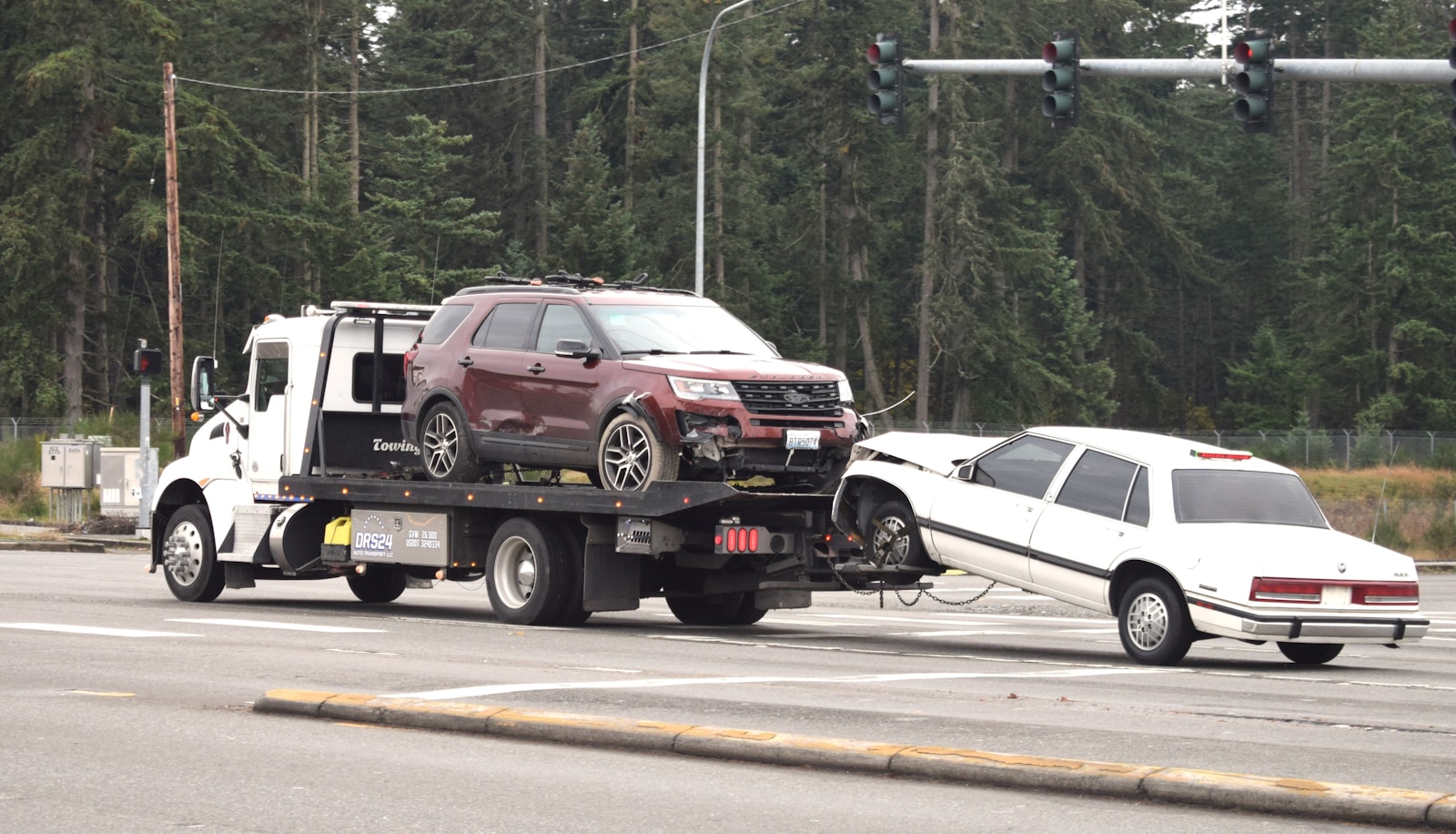
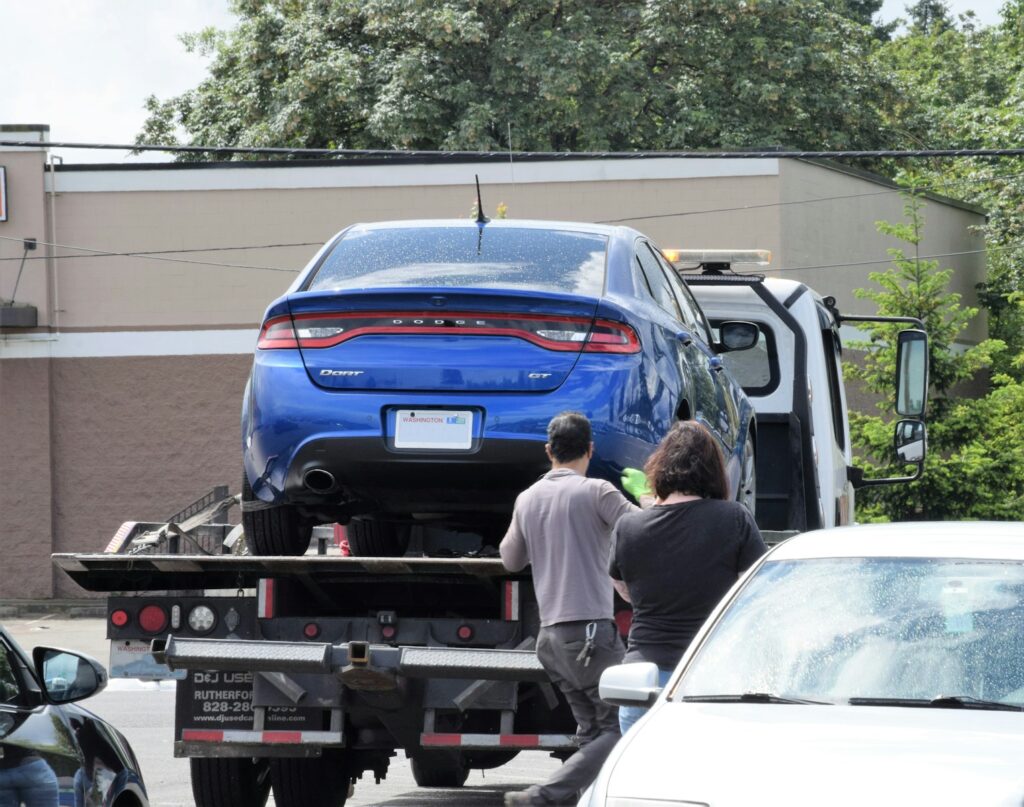
The tow truck arrived like an exhale. The driver got the car loaded, told her where it was going, and gave her the kind of vague reassurance people give when they want to get to their next job. She rode with a friend afterward, already thinking through the headache of repairs and the fact that she was still making monthly payments on this car. The whole deal was supposed to be annoying, not life-altering.
The Tow That “Should Be in Their System”
The first couple of days were normal chaos. She called the roadside company to confirm where they’d dropped the car, because she needed to arrange a mechanic and also because she didn’t want storage fees stacking up while she figured things out. The rep told her it was “in the system” and that she’d get a follow-up with the location once the job closed out.
That’s the moment the story gets slippery. The follow-up didn’t come, so she called again. Different rep, same script: they could see the service request, they could see it was completed, and they were “just waiting on the contractor’s notes” for the final destination.
She did what any organized person does when the answers start sounding like elevator music. She wrote down the ticket number, the time of the tow, the contractor name they gave her, and the rep’s first name. She asked directly, “Where is my car right now?” and got a response that was somehow both confident and empty: “It’s been towed off the interstate, ma’am, so it’s safe.”
Safe where, though? That’s what she kept asking, and that’s what nobody could tell her.
Three Weeks of Phone Calls and the Same Two Sentences
By the end of week one, she wasn’t “checking in.” She was hunting. The roadside company kept routing her through customer service like she was calling about a dead battery, not a vehicle that had effectively disappeared. She’d explain it from the top—breakdown on the interstate, contractor tow, no location provided—and every rep would pause like it was the first time they’d heard anything like it.
They’d promise a call back. They’d say they were “escalating” it. They’d tell her she should hear something in 24 to 48 hours, which is a time frame that means nothing when you’ve already waited a week. And every time she asked for a supervisor, the line would go soft: “They’re in a meeting,” “They’re unavailable,” “They’ll call you back.”
Meanwhile, her real life kept happening. Her lender kept expecting payments because, from the lender’s perspective, the car still existed and she still had it. Her insurance agent wanted to know if she was filing a claim, but how do you file a claim when the only thing you can say is, “A contractor took it and now everyone’s acting like they don’t know where it is”?
By week two, she was calling tow yards herself, the way people call hospitals when someone goes missing. She tried places near where she broke down, then places near where the contractor claimed they usually dropped cars, then any storage lot that picked up from that stretch of interstate. She’d give the VIN, the license plate, the make, the model. Most places hadn’t seen it. A couple said, “We’ll call you if it turns up,” in a tone that suggested it wouldn’t.
The Contractor Becomes a Ghost, and So Does the Paper Trail
The roadside company eventually gave her the contractor’s direct number. That should’ve been helpful, except the contractor didn’t answer. She left voicemails that started polite and turned increasingly blunt, the kind of messages you leave when you’re forcing yourself to speak slowly so you don’t start yelling into a recording.
When she did get someone on the phone—whether the contractor or someone answering for them—it was like talking to a wall with a pulse. They said they’d “look into it.” They said they’d “check with dispatch.” They asked her to confirm details they should’ve had if they actually towed the vehicle. Then they’d hang up, or put her on hold until the call dropped, or promise a call back that never came.
At this point, the tow itself started to feel suspicious. She knew the car had been loaded, because she’d watched it happen. She remembered the truck. She remembered the driver. But every time she asked for proof—an impound receipt, a drop-off form, a signature, a photo—she got that same soft refusal: “We don’t have access to that,” or “That’s with the contractor.”
It’s a uniquely maddening kind of helplessness: the service that’s supposed to create a paper trail is suddenly all vibes. The only concrete thing she had was the fact that her car was gone and her account showed a completed tow.
The Salvage Yard Bombshell
Somewhere in week three, after yet another call where she was told to “allow more time,” she finally got someone who didn’t sound like they were reading from a laminated card. The tone shifted first—less customer-service cheer, more careful phrasing. The rep asked her to confirm the VIN again, then went quiet long enough that she started wondering if the call had disconnected.
Then they said it: the contractor had sold the car to a salvage yard.
Not “sent it to a storage lot.” Not “accidentally released it.” Sold it. Like it was abandoned property, like it was a broken appliance left on the curb. And the worst part wasn’t even the word “sold”—it was the way the rep said it like they were bracing for her reaction, like they knew it sounded insane and didn’t have a better version of reality to offer.
She asked the obvious questions in a rush. How could they sell it if it wasn’t theirs? What paperwork did they use? How does a contractor take a car from an interstate tow request and turn it into salvage like it’s a side hustle? The rep’s answers weren’t answers so much as admissions that the roadside company didn’t have control over what their contractor did once the car was on the hook.
And the cruel cherry on top: she was still making payments. Her lender didn’t care that a contractor decided to treat her financed vehicle like a free payday. The lender wanted their money, and the car—her collateral—had just been turned into parts.
Now She’s Fighting Everyone at Once
Once she knew where the car ended up, the situation didn’t simplify. It fractured. Now there was the roadside-assistance company, the contractor, and the salvage yard, each with their own incentives to play dumb. She wasn’t just asking, “Where is it?” anymore—she was asking, “Who authorized this?” and “Who’s paying for what you did?”
The salvage yard, from what she could gather, wasn’t eager to unwind anything. They likely had their own paperwork, their own story about how they obtained the vehicle, and a business model that doesn’t include handing cars back because someone says there was a mistake. Even if they hadn’t crushed it yet, salvage moves fast, and every day that passed made it harder to imagine the car sitting intact anywhere.
The roadside-assistance company, the one she’d paid for years, suddenly leaned harder on the word “contractor,” like saying it enough times would make the whole thing not their problem. The contractor was the one who physically sold it, yes, but she didn’t hire the contractor. She didn’t pick them. She didn’t sign anything giving them ownership. She called the number on her membership card and accepted the tow that was dispatched to her.
So she started collecting everything: call logs, ticket numbers, names, times, any email confirmations, any proof she had that she didn’t abandon the car. She was also dealing with that surreal emotional whiplash where you’re furious one minute and numb the next, because you can only scream into a phone so many times before your brain tries to protect itself by shutting down.
The darkest part is how normal the rest of her world had to stay while this was happening. She still had to get to work. She still had to find rides. She still had to answer “How’s your car situation?” from people who assumed it was in a shop somewhere waiting on a part. And every time she explained it, she could hear how unbelievable it sounded out loud—like she was describing a scam, except it was wrapped in the branding of a legitimate service.
By the time the roadside company finally admitted the car had been sold to salvage, the story had already moved past “tow gone wrong” into something that felt like outright theft with extra steps. She wasn’t sitting with a neat resolution, either—just a financed car that had effectively been erased, a trail of corporate deflection, and the grinding realization that the next stage would be paperwork, disputes, and phone calls with people who had every reason to stall. And the whole time, that monthly payment clock kept ticking, like the universe’s meanest reminder that the car might be gone, but the obligation sure wasn’t.