


It started like any other slow weekday shift at a mid-sized dealership that sold “nice but not insane” inventory—until a high-end SUV rolled off the lot and never came back. The kind of SUV that sits front-and-center under bright lights, where the salespeople instinctively lower their voices when they talk numbers because it feels like a museum piece.
The buyer was the usual type that sets off tiny alarms in your head but not enough to justify being rude: confident, in a hurry, dressed clean, and just vague enough about details to keep you chasing the next step. He wasn’t some cartoon villain twirling a mustache. He was calm, friendly, and practiced at sounding like he’d bought cars before.
The young salesperson—barely out of training—did what the dealership had been telling everyone to do: greet fast, move the process along, don’t “judge” customers, and for the love of God don’t let a fat commission walk out the door because you made it weird about ID. Those slogans feel harmless until you’re standing at a desk, holding a driver’s license that looks fine for half a second, and a manager is waving you forward like a pit crew.
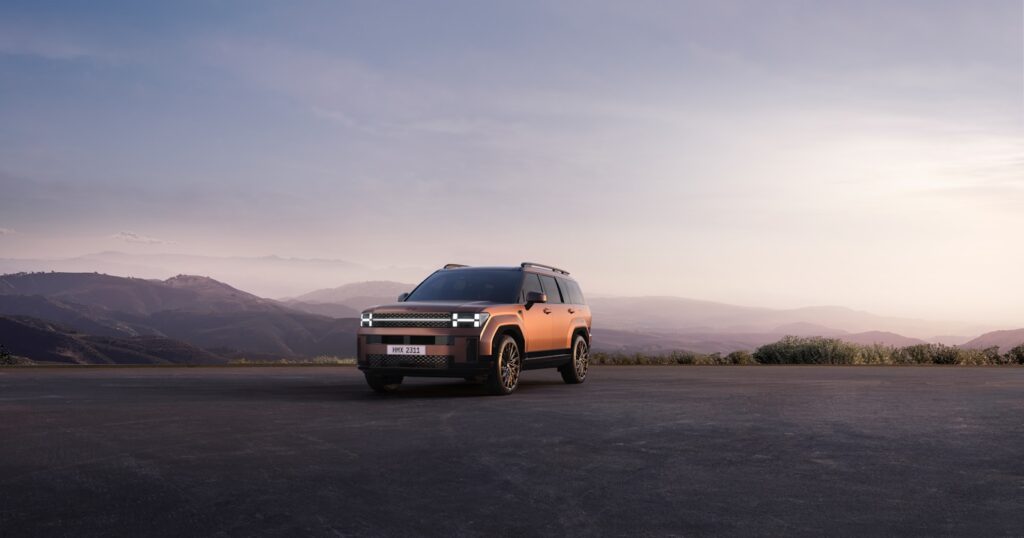
The setup: a shiny SUV and a buyer who “just wants to feel it on the road”
He came in asking for the premium trim right away, which made the salesperson’s eyes go wide. Not the “I’m just browsing” energy—more like, “I know what I want, show me the keys.” He said he’d been comparing a couple models, his old lease was up, and he didn’t want to waste time on a long back-and-forth.
The salesperson did the lap around the SUV, pointed out the upgraded wheels, the big infotainment screen, all the features they’d been coached to highlight. The buyer nodded at the right places, asked a couple questions that sounded legit, and then landed on the part he clearly came for: “Can I take it out alone? I just want to see how it feels without someone talking the whole time.”
Normally, that request gets a polite no. But this dealership had a habit of saying yes, especially if the showroom was busy and they didn’t have enough staff to ride along. They’d done it before with cheaper cars, and apparently nobody had gotten burned badly enough to change the policy.
The salesperson hesitated, because even rookies know unaccompanied test drives are where stories go to die. But the buyer was smooth about it—offered his license immediately, smiled like it was a formality, and even tossed out, “You can hold my keys, no problem.” The salesperson took the license, glanced at it, and it looked… fine. Not obviously fake, not obviously real, just “fine” in that way a forged document is designed to be when you’re looking at it under fluorescent lights with three people interrupting you.
The moment it goes wrong: the dealership says yes, but the paperwork says “good luck”
This is where the dealership’s internal chaos kicks in. The salesperson took the license to a desk manager, expecting either a quick scan or a firm “no, ride along only.” Instead, the manager barely looked up, saw a confident buyer, saw the price tag on the SUV, and did the managerial thing: pushed the risk downhill.
“Get a copy of the license, grab the insurance info, and send him,” was the vibe. Not a serious verification, not a careful process—just enough ritual to make everyone feel like they’d done something. The salesperson copied the license like they’d been trained, and the buyer played along, leaning on the counter, joking about how “everyone thinks I’m here to steal it.”
There was a point where the salesperson asked for proof of insurance, and the buyer said it was on his phone but his service was spotty in the building. He offered to email it “when he got outside,” which should’ve been a hard stop but wasn’t. The manager didn’t want friction, the salesperson didn’t want to look difficult, and the buyer kept smiling like a guy who’d done this dance before.
The dealership kept his license copy and let him keep the original—another little “policy” that was really just habit. Someone handed him the keys like they were passing a pen. He thanked them, promised he’d be back in fifteen minutes, and walked out with the easy confidence of a customer who had nothing to lose.
The waiting game: fifteen minutes turns into the kind of silence that makes everyone watch the door
At first, nobody panicked. Customers run late on test drives all the time, especially if they hit traffic or take a wrong turn. The salesperson kept doing their job, half listening for the SUV to pull back in, half imagining the commission.
Twenty minutes came and went. Thirty minutes. The salesperson started doing that casual, fake-not-worried pacing near the front windows, pretending to straighten brochures while watching the road.
They called the number the buyer had given. It rang. No answer. They texted. No reply. The desk manager finally stopped shrugging and did that thing where they act annoyed at the salesperson, like the salesperson personally caused time to pass.
Then the salesperson tried again and got the first real punch in the gut: the number went straight to voicemail, and the voicemail greeting was generic. Not a name, not a company, just the default robotic message that tells you this number is disposable. The kind of detail that seems obvious only after it’s too late.
By the time the hour mark hit, the vibe in the dealership changed. People stopped calling it a “test drive.” It became “that SUV” in a low voice, with staff gathering behind the desks like they were trying to solve a mystery with body language.
The scramble: cameras, phone calls, and the discovery that the license was never real
The manager pulled up the security footage, expecting a plate number or some clean angle of the buyer’s face. What they got was an image that looked like every other customer: hat brim shadow, sunglasses at the perfect angle, moving with purpose. The SUV’s temporary tag area wasn’t helpful either, because the dealership had recently changed where they staged vehicles and the camera angle didn’t quite catch it.
Someone finally asked the salesperson, “Did you scan the license?” And the salesperson had to admit they didn’t have a scanner at their desk, because the dealership’s “system” was a shared machine behind the finance office, and nobody told them it was mandatory. They made a copy, like they were told, and handed it to the manager, like they were told.
The manager looked at the copy more closely now, with the adrenaline-fueled attention they should’ve used an hour earlier. The photo seemed slightly off. The font spacing looked weird. The little hologram details, which would’ve shown under a proper ID light, were obviously just… printed.
They called the police, but now it was a game of chasing smoke. The buyer was gone. The SUV was gone. And the “documents” the dealership had were basically props from a magician who’d already left the stage.
While they waited, the staff did what staff always do in these moments: replayed every step like a courtroom drama. “He said he’d email insurance.” “He insisted on going alone.” “He asked for that trim specifically.” Each detail got sharper and uglier, like the story itself was reformatting into something that could be blamed on someone.
The fallout: management decides the rookie is the problem, not the policy
This is where the story stops being about a theft and becomes about a workplace meltdown. Once the SUV was officially “not coming back,” the dealership shifted instantly into self-protection mode. Managers who’d been breezy about the test drive started talking about “procedure” like they’d written it on stone tablets.
The young salesperson got pulled into a back office and hit with questions that weren’t really questions. Why didn’t you verify the license? Why did you let him go alone? Why didn’t you insist on insurance before handing over the keys? Each one came with that insinuation that the salesperson had freelanced the whole interaction, like management hadn’t waved them forward the entire time.
When the salesperson pointed out that they asked, that they brought the license to the desk, that the manager approved it, the room got colder. Suddenly it was, “You’re responsible for your deals.” Suddenly it was, “You need better judgment.” The manager wasn’t arguing facts; they were building a narrative where the rookie’s “inexperience” was the sole cause, because that narrative protected everyone else.
Even the paperwork became a weapon. The license copy had been taken by the buyer when he left—because at some point, the dealership had handed him a folder with “his documents” to look over, and the forged ID copy was in it. So now, hilariously and horribly, the dealership didn’t even have the fake license on file anymore. The thief drove off with the car and took the dealership’s only “proof” that he’d ever existed.
By the end of the day, the salesperson wasn’t being spoken to like a person who got duped. They were being treated like a liability. Coworkers started doing that half-supportive, half-distancing thing—“Man, that’s crazy,” while subtly making sure everyone knew they wouldn’t have done it that way.
The unresolved part is the one that sticks: the dealership had been loose with unaccompanied test drives for a while, and everyone knew it, but the moment it actually cost them something, they needed a single name to staple to the loss. The thief disappeared cleanly into the afternoon, but the rookie stayed behind, staring at an empty spot on the lot where the SUV had been, watching managers rewrite the story in real time like the keys had jumped out of their hand on their own.
More from Steel Horse Rides: