
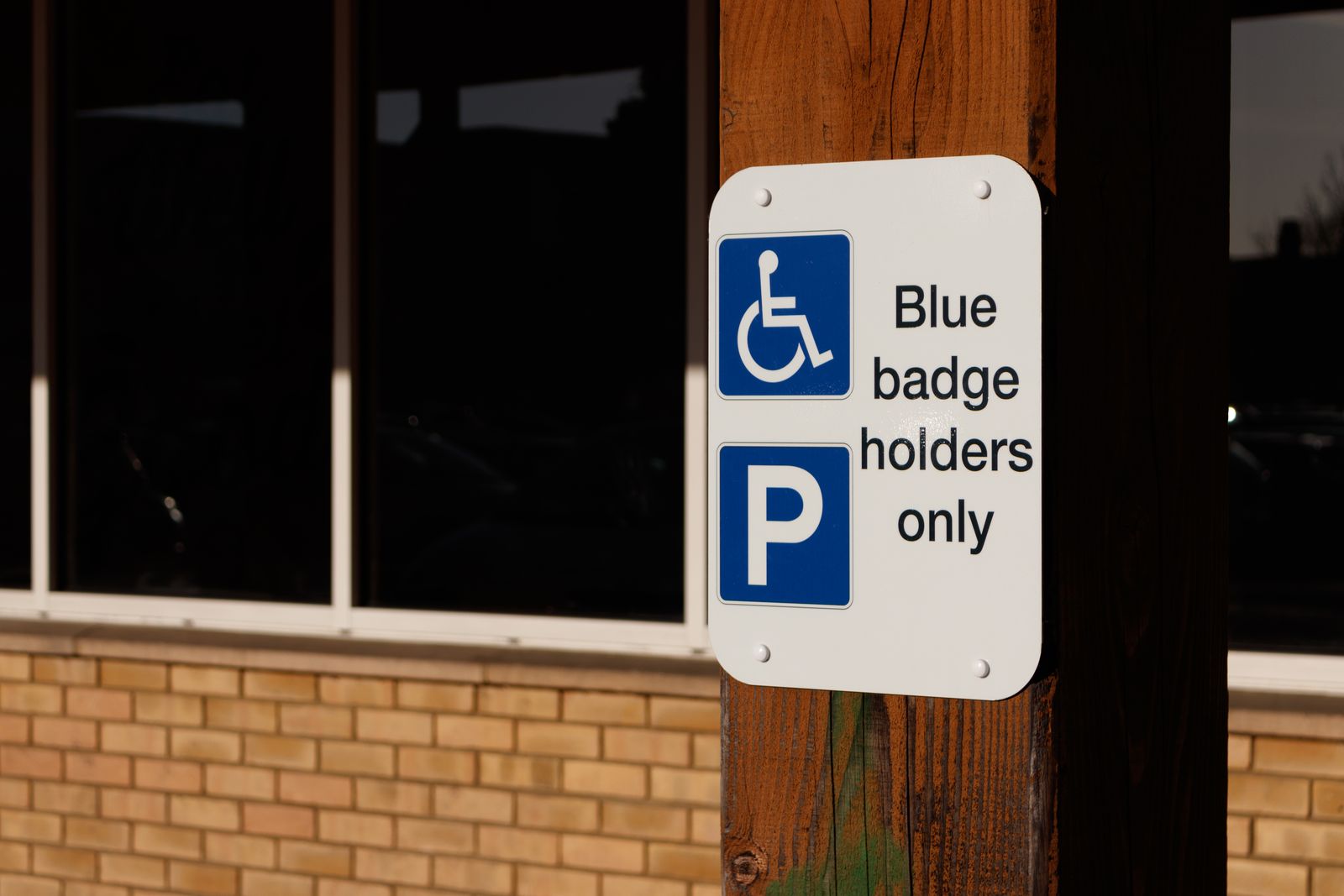

It started with a missing blue placard and that particular kind of household silence that means something’s off. The mother noticed it because she noticed everything that affected her day-to-day: the hook by the front door was empty, her keys were where she left them, and her bad hip was already nagging before she’d even made it to breakfast. She didn’t accuse anyone right away, but she did that slow scan of the entryway like the placard might’ve fallen behind a shoe rack.
Her son was still living at home “temporarily,” which had stretched into months. Early twenties, between jobs, always with a reason, always with a plan. That morning he was suddenly chatty in a way that didn’t match the situation, asking if she needed anything from the store later, offering to take out the trash, making eye contact a little too long like he was trying to sell sincerity.
By noon, the real problem arrived: a call from her neighbor saying there was a tow truck outside. Not outside their place—outside the grocery store a few blocks away. The neighbor had seen her car getting hauled up and recognized it because it was the only one on the street with the faded bumper sticker and the dent by the rear light. The mother stood there with the phone pressed to her ear, trying to do the math of how her car could be getting impounded when she hadn’t driven anywhere.
The Placard “Borrow” That Wasn’t a Borrow
The son finally stopped performing helpfulness when she asked, point blank, where her placard was. His face did that quick shift people get when they’re deciding whether to lie harder or tell the truth and gamble on forgiveness. He said he “borrowed it,” like it was a hoodie and not an official disability permit tied to her name and her medical documentation.
His explanation came out in pieces, and each one made things worse. He’d met up with friends the night before, and they were going downtown—bars, food, the usual weekend routine. Parking was supposedly “impossible,” and someone in the group had joked about how easy it is if you have “one of those tags.”
So he took it. He didn’t ask because he already knew she’d say no, and he didn’t want to have the fight before he went out. He slid it off the hook, put it on the rearview mirror, and told himself he’d put it back before she noticed—like she wouldn’t immediately notice the one thing that keeps her from limping across huge parking lots.
One Night Out, One Bad Decision, and a Tow Truck
From his point of view, it was supposed to be a neat little hack: park close, look like he had his life together, impress the friends who always had somewhere to be. He didn’t even drive his own car, because he didn’t have one. He took his mother’s—the only car in the household that was reliable, paid off, and insured.
He parked in a disabled spot, hung the placard, and apparently strutted about it like it was a clever trick. The detail that made the mother’s stomach drop wasn’t just the entitlement. It was that he’d dragged her into it, turning her legitimate disability into a prop for his social life.
Then reality showed up in a uniform. Either the placard was expired, or it wasn’t displayed correctly, or the officer ran it and saw it didn’t match who was using the car—whatever the exact trigger, the result was the same. The car got flagged, ticketed, and towed, and her son didn’t handle it like an adult; he handled it like someone who assumed consequences were negotiable.
Instead of calling his mother the second it happened, he tried to “figure it out.” That meant arguing with the tow company, calling a friend for a ride, and then coming home late with a story that conveniently left out the part about the car being in a lot behind a locked gate. By morning, the mother had learned about the impound from a neighbor, not from him.
The Impound Lot Math: Fees, Paperwork, and Panic
The mother’s first thought wasn’t even anger—it was logistics. She had medical appointments. She had errands she could only do on her own schedule because coordinating rides made everything harder. She had the kind of independence that’s fragile, the kind that disappears if you lose one piece, like a car.
She called the impound lot and got the full rundown: the release fee, the daily storage charge, the required documents. They wanted proof of ownership, insurance, identification, and—because the car had been towed from a disabled spot—extra paperwork clarifying the placard situation. Every hour the car stayed there, the total climbed.
When she told her son the amount, he didn’t respond with, “I’ll cover it,” or even, “I’ll figure it out.” He said she should just pay it, because it was “her car,” and then he launched into a defensive spiral about how he didn’t mean for it to happen. His voice had that aggrieved edge like he was the one being inconvenienced.
She asked what money he had. He mentioned his savings like it was theoretical, like it was for something else that mattered more. He reminded her he’d been “trying” to get a job, as if effort could be accepted at the impound lot window in place of cash.
The “Don’t Ruin My Future” Argument
The turning point came when the mother said she might have to report the placard stolen. Not to be vindictive—because that’s what it was, legally. The placard was issued to her, and it disappearing from her home and being used by someone else wasn’t just a family squabble; it was fraud, and she was the one whose name was attached to it.
That’s when the son got serious, and not in a good way. He told her she couldn’t do that because it would “ruin his future.” He said the word “future” like it was a hostage he was holding up with both hands, forcing her to choose between her mobility and his imagined potential.
He framed it like she’d be the villain if she involved anyone official. “It was just one time,” he said, as if that erased the chain of events currently draining her bank account. He insisted it was an accident, but he never said the key word: permission.
He also did that emotional accounting thing people do when they’ve messed up and want to flip the ledger. He brought up how she’d “always helped him” and how “family handles things privately.” He acted like the only options were either she quietly paid the impound fees or she became the type of mother who “throws her kid under the bus.”
What She Was Actually Being Asked to Accept
While he argued about his reputation and his future, she was staring down immediate harm. Without her car, she couldn’t get around safely. Without her placard, even if she got the car back, her day-to-day would become a series of painful, exhausting walks that her body didn’t tolerate.
And there was the deeper, uglier fear: what if the authorities assumed she’d been the one abusing the placard? What if she lost it entirely? People love to talk about disability fraud like it’s a sport, and the mother knew how quickly suspicion sticks to the person who actually needs the accommodation.
She tried to talk to him like he was still someone she could reach. She asked him to picture her navigating the impound lot office, the paperwork, the physical strain, the humiliation of having to explain why her car was towed from a spot she’s entitled to use. He looked at her, and instead of embarrassment, she got impatience—like she was dragging out a problem he wanted gone.
The ugliest part wasn’t the initial theft, even though that was bad. It was the demand that she make it painless for him. He wasn’t just asking her to pay money; he was asking her to absorb the consequences and pretend the whole thing was a minor inconvenience, the kind of “oops” that gets fixed with a credit card and a forced smile.
By the end of the day, the mother had the phone numbers she needed and a growing stack of notes from her calls. The son hovered between sulking and bargaining, making promises that were vague enough to never be tested. And the unresolved tension wasn’t whether the car would come back—it probably would, one way or another—it was whether she could ever trust the person living in her house to not sacrifice her basic needs the next time he wanted to look impressive for an audience that wouldn’t even remember his name by Monday.
More from Steel Horse Rides: