
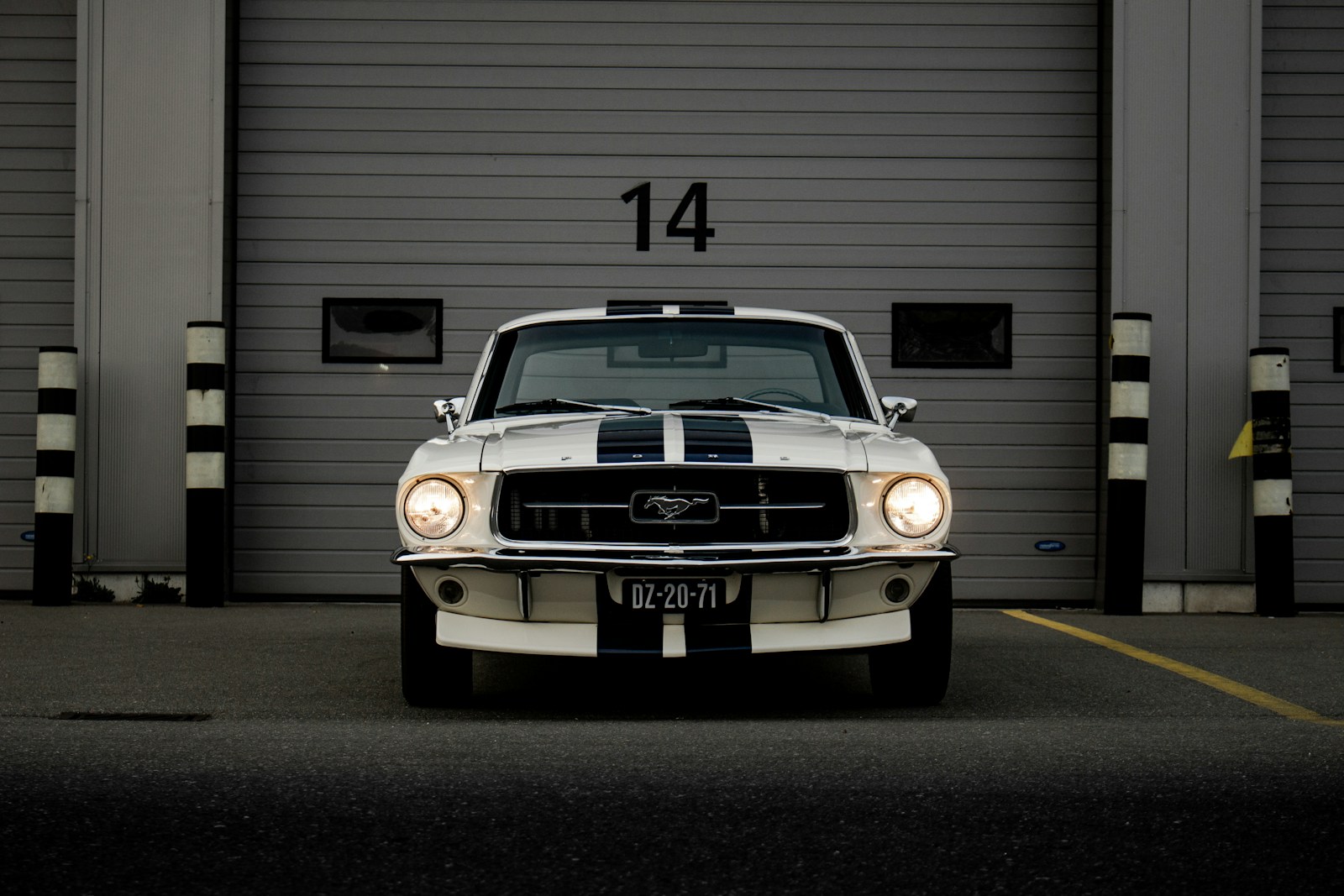

They’d been saving for it in a way that felt almost old-fashioned: a little off every paycheck, a couple overtime shifts that went straight into an envelope, a “we don’t need that right now” discipline that added up over years. The dad had always talked about owning a classic again—something with real steel, real lines, the kind of car you could recognize from down the block. The son didn’t grow up with that world, but he grew up with the stories, and somewhere along the way it turned into their shared project.
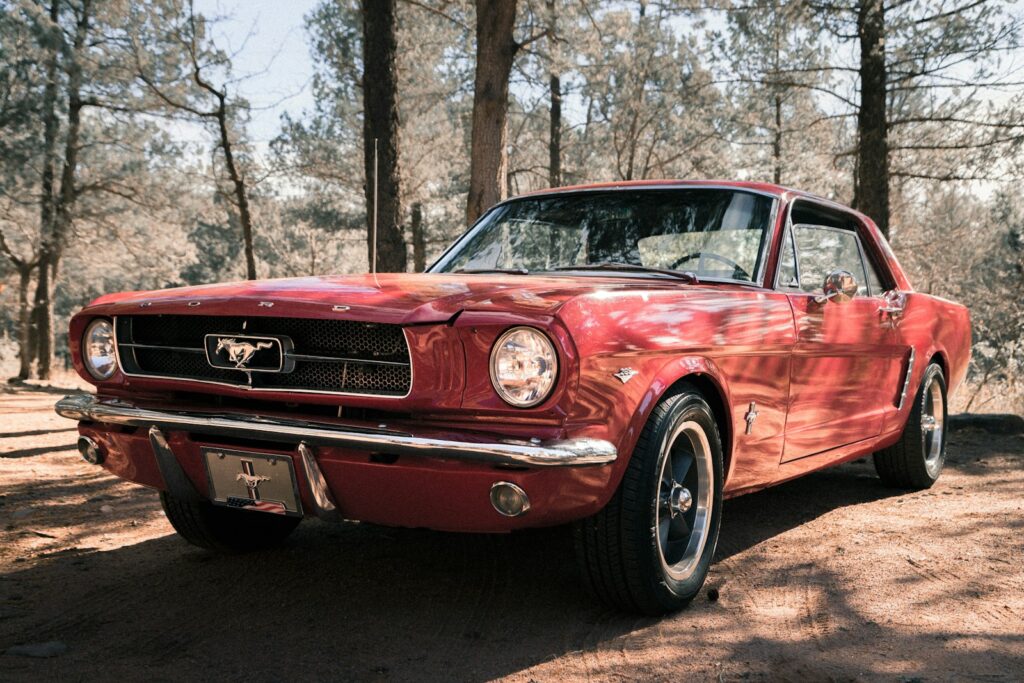
The car itself wasn’t some untouchable museum piece. It was a classic muscle car that had clearly lived a life—sun-faded paint, a little rust at the usual seams, an engine that ran but complained about it. They bought it because it was within reach, because it was theirs, and because they could already see what it would look like finished: glossy paint, clean chrome, the kind of idle that makes people glance over without meaning to.
They didn’t have the space or tools to do a full restoration at home, so they did what everyone does now: they found a local shop with a decent reputation and a feed full of “before and after” pictures. The owner talked fast, walked them around two other cars “in progress,” and said all the right stuff about timelines, parts delays, and doing it properly. The dad paid a big deposit without flinching, and the son took a photo of the car rolling into the bay like it was the start of something.
The slow bleed: deposits, delays, and a car they couldn’t see
At first, the updates were just enough to keep them optimistic. A text with a blurry shot of the engine pulled, a quick call about sourcing panels, a “we’ll be into paint soon” that sounded like a promise. Then it started to stretch: two weeks became a month, a month became “we’re waiting on the supplier,” and every visit seemed to catch the shop owner in the middle of something.
When they stopped by, the car was always “back there” or “covered up” or “tucked away so it doesn’t get dusty.” They’d get a glimpse of it sometimes—on jack stands, wheels off, interior pulled—and the sight was both thrilling and nauseating. It’s one thing to own a beat-up classic; it’s another to see it disassembled and realize how much trust you’ve placed in someone else to put it back together.
Money went out in chunks. The shop asked for progress payments tied to “milestones,” but the milestones were strangely elastic: “parts ordered,” “metal work starting,” “paint materials locked in.” The dad grumbled in the car afterward, the son tried to stay calm and keep the peace, and both of them kept telling themselves this is just how restorations go—expensive, messy, slow.
What changed the vibe wasn’t one big red flag. It was the accumulation of little weirdness: calls that went to voicemail for days, invoices that didn’t list much detail, and a new face at the front desk who didn’t know their names. The shop’s social media got quieter too, like someone had stopped feeding it.
The day the shop “closed early” and the doors stayed shut
They found out something was wrong the way people usually do—by arriving in person. The son had taken an afternoon off, the dad had brought coffee, and they’d planned to finally get a real look at the car and talk through next steps. The lights were off, the office door was locked, and a handwritten note on the glass said something like “Closed early today, back tomorrow.”
Tomorrow came and it was the same. The phone rang and rang, then went to a full voicemail box. A neighboring business owner, sweeping up outside, shrugged in that universal way that says, I know something but I’m not trying to be involved. “They’ve been having problems,” he said, vague and careful, like he’d already decided this wasn’t his drama.
They started doing the frantic modern version of legwork: searching business filings, scrolling local groups, reading one-star reviews that had appeared in a sudden cluster. That’s when they saw the phrase that made their stomachs drop—bankruptcy. Not “might close,” not “under new management.” Bankruptcy, with a court date and a receiver and a name they didn’t recognize attached to the case.
The dad’s first reaction was pure logic: “We own the car.” He said it like a spell, like the universe was required to comply. The son kept rereading the same lines on the docket, trying to decode what it meant for something physically sitting inside a shop that no longer belonged to the guy they’d been talking to.
The auction notice that turned their project into inventory
A few days later, the son saw a listing posted online for an upcoming liquidation auction. It was a typical auctioneer page—lots of exclamation points, lots of “NO RESERVE,” lots of photos taken under bad fluorescent lights. There were toolboxes, lifts, cabinets of parts, half-finished motorcycles, and then, buried in the middle of it, their car.
Not “a similar car.” Their car. Same dent near the rear quarter panel from when they bought it, same slightly mismatched wheel on the front, same identifiable interior trim they’d joked about replacing. The listing didn’t mention their names, didn’t mention “customer-owned,” didn’t say “title not included.” It just sat there among the other assets like it belonged to the building.
They called the auction company first, because that seemed like the fastest way to stop a mistake. The woman on the phone was polite in a firm, rehearsed way that suggested she’d been getting calls like this all week. She told them the auction was court-authorized, that the inventory had been provided by the bankruptcy trustee, and that if they believed they had a claim, they’d need to file it with the trustee—no, she couldn’t “just pull it,” and no, she couldn’t promise anything.
So they tried the trustee’s office and ran into the cold machinery of it. Forms, deadlines, proof of ownership, proof of payments, proof of whatever the court thought mattered. The son had a bill of sale from when they purchased the car originally, but the title wasn’t in their hands—it had been with the shop “for paperwork,” another one of those things that sounded normal at the time.
Proving you own what you can’t access
There’s a special kind of panic that hits when the thing you’re arguing about is behind a locked door you’re not allowed to open. They had receipts, bank statements, text messages with the shop owner, photos from drop-off day, and a trail of payments that proved they’d been funding the work. But the question wasn’t whether they’d paid—it was whether, in the eyes of a bankruptcy process, they could establish the car as their property and not an asset of the shop.
They went back and forth over what they should’ve done differently. The dad got angry at himself for not keeping the title in a safe at home. The son got angry at the shop owner, then angry at the system, then angry at the fact that none of that anger unlocked the door. Every call ended the same way: “Submit the documentation,” “wait for review,” “the auction date is still set.”
And because the car was already listed, collectors started talking about it. The listing photos weren’t glamorous, but the model was desirable, and the restoration-in-progress angle attracts a certain type of buyer—the kind who thinks they’re rescuing a project. The father and son could practically see the math happening in strangers’ heads: buy it cheap at liquidation, finish it with their own guy, flip it or keep it.
By the time the trustee finally acknowledged receipt of their claim, it wasn’t a victory. It was a neutral email that sounded like it was written to a hundred people a day. No promise, no timeline they could trust, just the implication that if they didn’t get a court order fast enough, the auction would proceed with or without their feelings.
Standing in an auction crowd, bidding on their own car
On auction day, they went in person because it felt too insane not to. It’s one thing to watch your property get sold through a website; it’s another to stand there and hear an auctioneer warm up a crowd. The shop smelled like old oil and dust, and everything looked smaller than it had during the hopeful early visits.
The car sat where they could finally see it—still partially stripped, still mid-restoration, still theirs in every emotional sense that matters. The dad walked around it like he was checking for bruises on a kid, jaw tight, hands stuffed into his pockets. The son kept looking at the other bidders, trying to guess who was a hobbyist and who was a reseller.
They’d come prepared with a number, an absolute ceiling they could afford without destroying themselves. But the problem with bidding against collectors is that collectors don’t bid like regular people. They bid like they’re acquiring a story, like they’re winning a trophy, like the money is part of the sport.
When the lot came up, the auctioneer rattled off details that sounded half-wrong to anyone who actually knew the car’s history. The first few bids jumped fast, and the dad raised his paddle with a stiff motion that looked more like a reflex than a choice. The son felt that sick adrenaline you get when something personal turns into entertainment for a room full of strangers.
The price climbed past what they’d already sunk into the restoration, as if the universe was charging them twice for the same dream. A guy in a cap near the front barely hesitated between bids, eyes fixed on the car like it belonged to him already. The dad’s face turned that flat color people get when they’re trying not to show how much they’re losing control.
They kept bidding longer than they should have, because stopping meant accepting the unthinkable: walking out while someone else paid for a car that had their fingerprints all over it. But every new bid felt like being cornered into a choice between financial self-preservation and a principle they couldn’t quite put into words. And the worst part was how normal everyone else looked—how casual the whole thing seemed to people who weren’t watching their own savings, memories, and weekends evaporate under fluorescent lights.
Afterward, whether they won the lot or not wasn’t even the clean ending it sounds like. If they lost, they’d have to decide how far to chase it legally, and how much more money to pour into a fight they were already exhausted by. If they won, they’d still be paying an auction premium for something they believed never should’ve been for sale, hauling home a disassembled car and starting over with trust that had been stripped down even more than the chassis.
The last image that stuck with people who heard the story wasn’t the auctioneer or the paperwork or even the car itself. It was the father—standing there with his paddle lowered, staring at the vehicle like he was trying to memorize it in case it became someone else’s. Whatever happened in the final seconds of bidding, the fallout was already baked in: the project that was supposed to bring them closer had turned into a public tug-of-war, and the thing they owned on paper was suddenly something they had to fight to possess in real life.
More from Steel Horse Rides: