

When Maya finally got her own place again, the quiet felt almost suspicious. New lease, new routine, the kind of normal that only shows up after months of living on eggshells. Her teenager, Leo, was settling too—new bus route, new friends, the slightly chaotic rhythm of a kid who’s old enough to need rides but too young to have the whole world handed over.
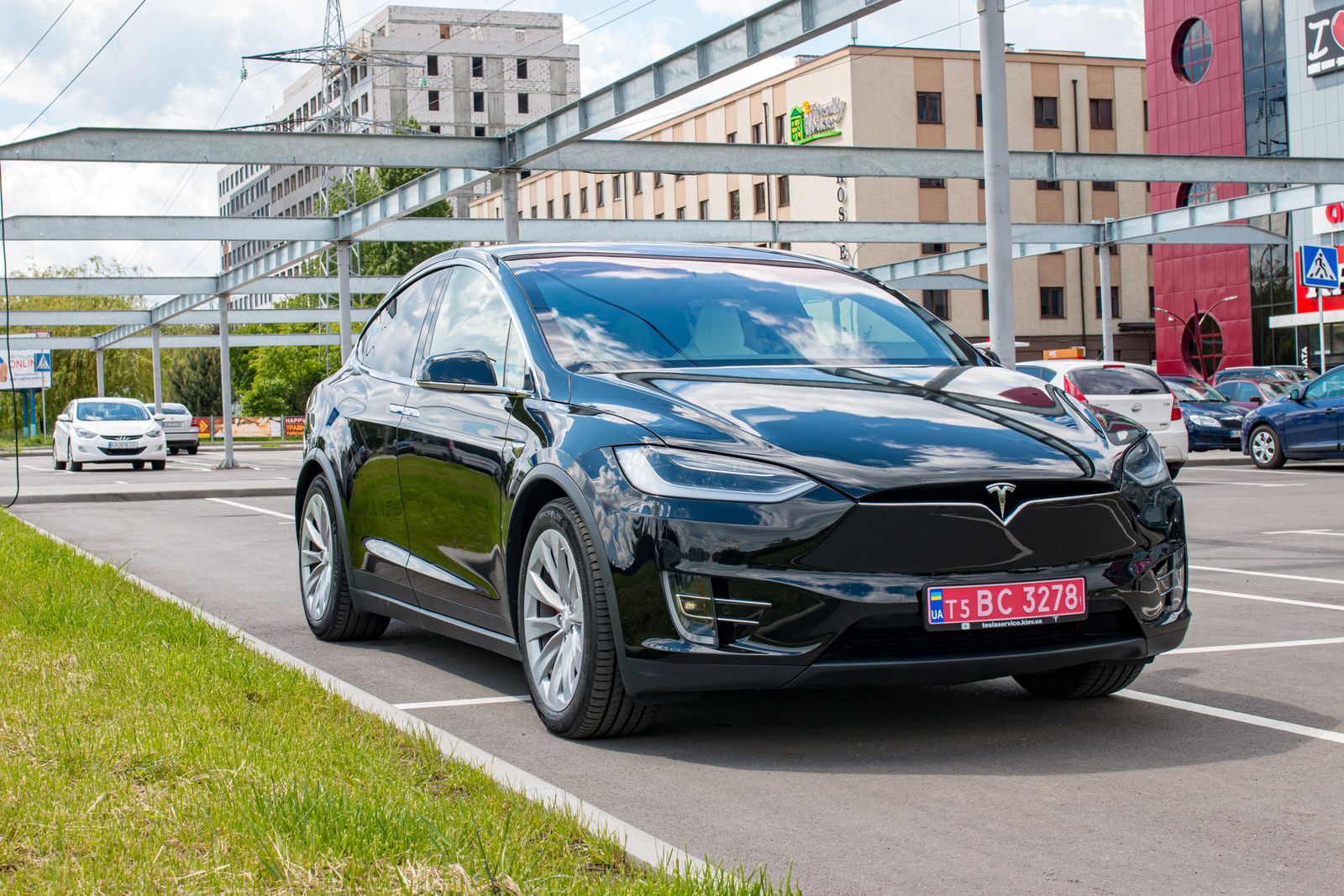
The car was supposed to be the boring part. A practical EV they’d bought back when Maya was still with Grant, her controlling ex, the guy who always insisted he was “just being careful” when he was really just being invasive. After the breakup, Maya refinanced and took over the payments, got the title in her name, and thought she’d severed the strings that mattered.
Then one Tuesday afternoon, Leo tried to leave school and the car wouldn’t move faster than a slow jog. He said it felt like the vehicle was stuck in some kind of training mode—accelerator pressed, engine responding, but the speed topping out at a humiliating crawl. He was waving cars around in the pickup lane like he was directing traffic, face hot, trying not to look like he was about to cry.
The first “glitch” and the second one that didn’t feel like a glitch
Maya’s first reaction was practical annoyance. Cars have issues. Apps are buggy. She assumed it was a software update or some weird eco setting and told Leo to park it and she’d sort it out after work.
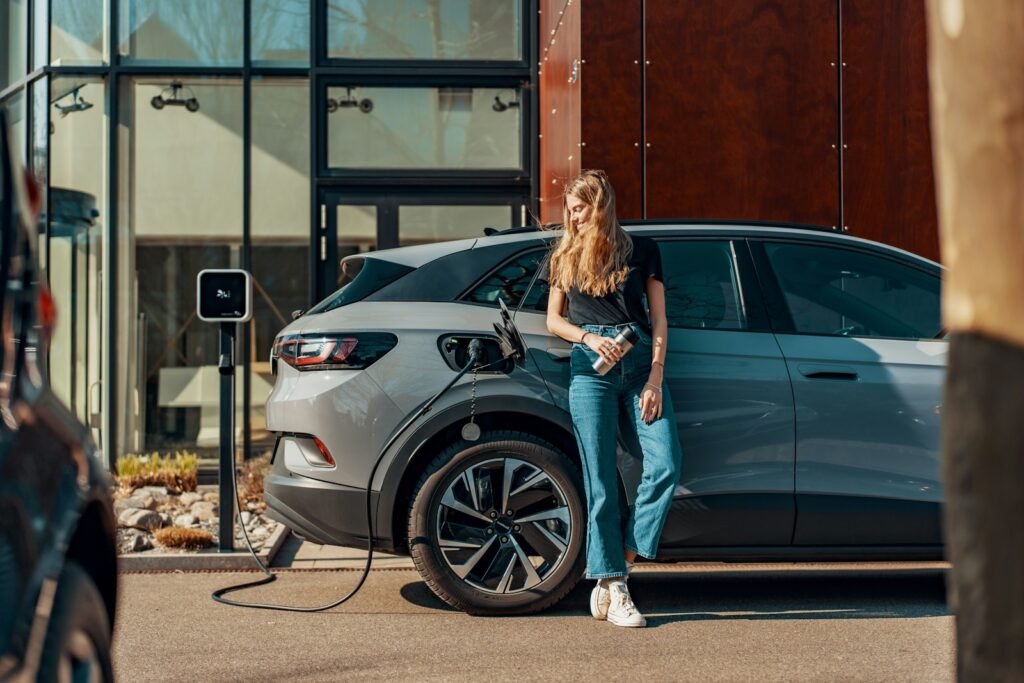
But the next day, the charging didn’t work. The charger clicked in, the lights did their little handshake, and then—nothing. No charge. No error that made sense. Just the kind of silence that makes you think you’re the one doing something wrong.
Maya started doing the stuff people do when they don’t want to admit they’re scared: restarting the phone, toggling Bluetooth, unplugging and replugging the cable, checking the breaker, watching a couple of troubleshooting videos. The car’s companion app, the one that lets you lock doors and check battery status, looked normal on her screen. Yet the car kept behaving like someone was reaching in and messing with it.
“It says you don’t have permission”
The moment it stopped feeling like tech trouble was when Leo got locked out entirely. He walked up to the car after soccer practice, tried the handle, and it wouldn’t open. He tried again, thinking maybe the key fob battery was dying, and the car gave him that polite refusal beep that sounds almost smug.
Then he called his mom and said the phrase that snapped everything into focus: “It says I don’t have permission.” Not “it won’t unlock,” not “the key isn’t working,” but something that sounded like a settings screen had become a bouncer.
Maya drove over with her spare key and got in without trouble, which made it worse. The car wasn’t broken; it was selective. Back home, she dug into the app and found user profiles—hers, Leo’s, and one she didn’t recognize at first because it used Grant’s old email with a different display name, like he’d tried to disguise it without actually hiding.
She called Grant because she needed to hear how he’d explain it. He answered like he’d been expecting it, voice calm, almost bored. He said he hadn’t touched anything, that the app “malfunctions sometimes,” and suggested she call customer support like he was doing her a favor.
The creep factor of remote control
Customer support did the whole script: verify identity, confirm the VIN, check account ownership. Maya kept hearing herself talk too politely, like if she stayed calm enough, the situation would stay rational. She explained the speed issue, the charging, the lockout, and the weird “permission” message her kid had seen.
The support rep asked if anyone else might have access to the connected-car account. Maya hesitated, then said, “My ex used to.” She didn’t add “controlling” or “scary,” but she didn’t need to. The rep’s tone shifted from cheerful to careful.
The rep explained that some connected-car platforms let authorized users set restrictions: speed caps for teen drivers, geofencing, remote lock/unlock, and sometimes even charging schedules and limits. All of it is sold as safety and convenience. In the wrong hands, it’s a leash.
Maya asked what she could do right now, immediately. The rep walked her through removing secondary users, changing the account password, and enabling additional verification. It sounded straightforward, except for one problem: Grant’s access didn’t behave like a normal “invited driver” profile. It was tied in deeper, like he’d managed to stay on as an account admin from back when they bought the car together.
When Maya heard that, she got that cold, sinking feeling people describe when they realize an ex didn’t just leave, he repositioned. The car wasn’t just transportation anymore. It was a little rolling environment he could reach into whenever he wanted, and she’d only noticed because he got bored of being subtle.
The part where he insists it’s “just the app”
Maya confronted Grant again, more directly this time. She said the speed cap and lockouts weren’t random; they were features. She asked him to stop accessing the car and to confirm, out loud, that he understood he wasn’t authorized anymore.
Grant did what he always did when cornered: he acted offended that she’d even imply he could do something like that. He talked about how these systems “glitch,” how he’d read about it, how she was being paranoid. He threw in a little guilt too—how he’d “paid into that car” once upon a time, how he cared about Leo’s safety, how maybe the speed cap wasn’t such a bad thing if it kept a teenager from driving recklessly.
The nasty genius of that line was that it sounded like concern while still admitting control. Maya could picture him telling himself he was being reasonable while he messed with her life like it was a settings menu. She didn’t argue the philosophy; she stuck to the facts and asked for proof he hadn’t done it.
Grant offered the kind of proof people offer when they don’t have any: “Why would I?” He repeated “malfunction” like it was a magic word that turned intention into accident. Maya ended the call and told him, in a flat voice, she’d be pulling the access logs.
Access logs don’t care about his tone
The car company’s support team escalated the case, which is corporate-speak for “someone higher up finally looked at the weirdness.” They said they could review account activity: logins, device types, timestamps, and which commands were issued. Not everything, not always, but enough to see a pattern.
Over the next couple of days, Maya kept a notebook like she was documenting a haunting. Tuesday: speed capped. Wednesday: charging disabled. Thursday: Leo locked out. Each time, she noted the exact time, the place, what the app displayed on her phone, and how long it lasted.
When the logs came back, it wasn’t a single smoking gun. It was worse: a series of small, precise actions. Logins from a device Maya didn’t recognize at first, then realized matched Grant’s phone model. Commands issued at times that lined up with the incidents almost perfectly, like someone was checking his watch and flicking switches.
The company rep didn’t say, “Your ex did it,” because they don’t talk like that. They said the account showed administrative access being used to adjust driving restrictions and remote locks, and that those actions originated from a device and IP location consistent with a single user. Maya didn’t need the rest spelled out.
When she told Grant she had the logs, his story changed in a way that almost made her laugh. Suddenly it wasn’t “the app malfunctioned.” It was that he’d “logged in by accident,” that maybe his account hadn’t been fully removed, that maybe he’d been “trying to help” by setting teen safety features because he “thought it was still linked.” Every sentence contained a loophole.
Maya wasn’t arguing with him anymore; she was collecting his contradictions. The scariest part wasn’t the speed cap or the lockout. It was the ease with which he slid between denial and justification, like truth was something you could toggle on and off.
She got the account secured in the end—new credentials, admin access reset, Grant’s device removed, an extra verification step that would ping her phone if anyone tried to get in. But she couldn’t un-feel what she’d felt standing in the driveway, realizing a person who wasn’t supposed to be in her life anymore could still reach into it through something as ordinary as her car. And the last thing she said to a friend that week, the line that kept repeating in her head, wasn’t about tech at all: if he was willing to control a teenager through a dashboard app, what else would he try to control once he knew she’d found him out?
More from Steel Horse Rides: