
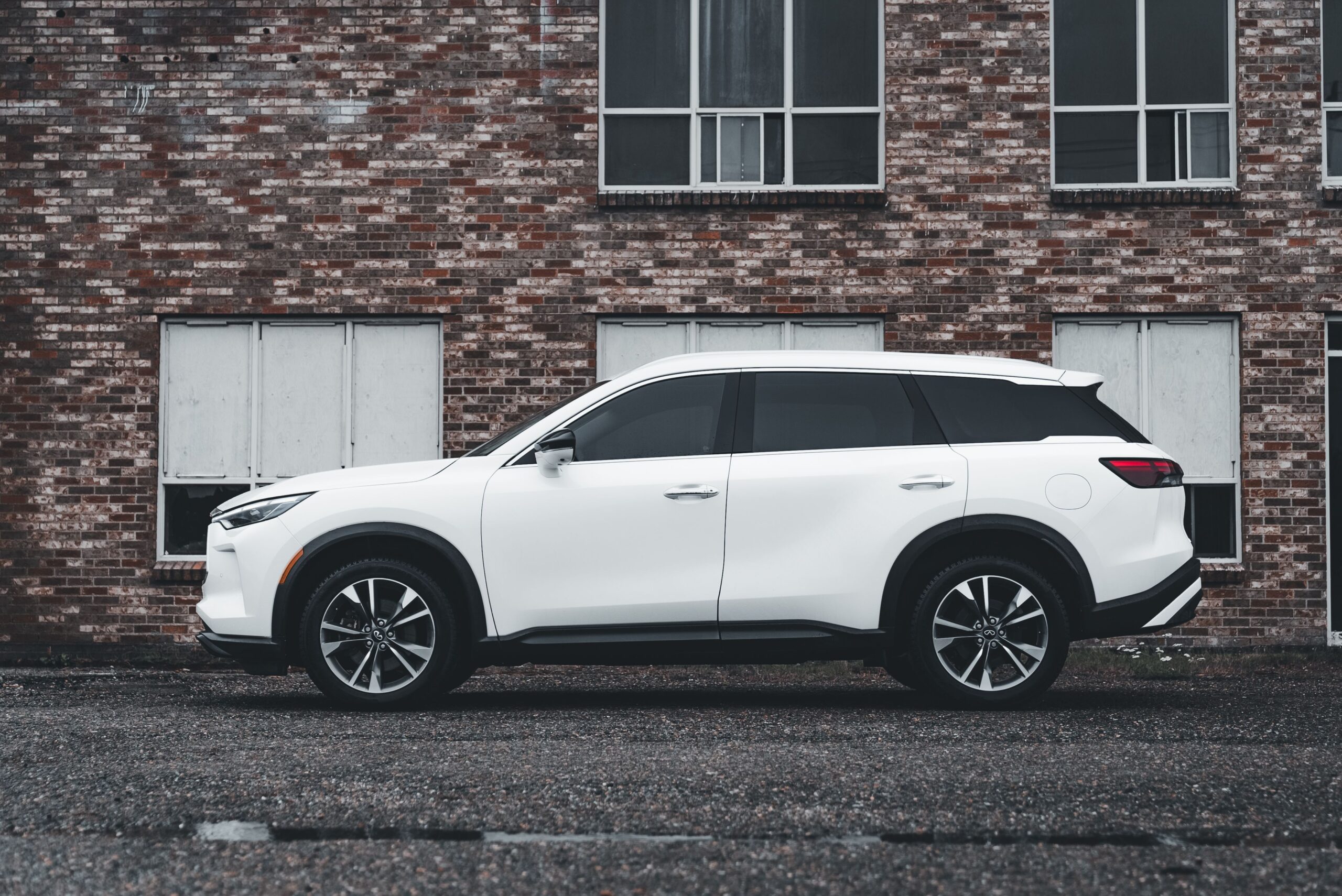

Federal regulators have opened a formal review of the Toyota Grand Highlander Hybrid over concerns that its front grille design leaves the vehicle’s cooling system exposed to road debris, a defect petition that covers roughly 87,000 vehicles according to NHTSA’s own investigation filing.
Key Points
- The case, designated DP26006, is a defect petition (a formal request that a member of the public files asking NHTSA to investigate a specific issue), received by the agency on July 20, 2026 and opened as a docketed investigation on August 20, 2026.
- It covers 2024-2026 Toyota Grand Highlander Hybrid models.
- The petition, backed by 14 total complaints (13 from owners plus the petitioner’s own), alleges the front grille has “large, open apertures and no protective screen” that let rocks and road debris strike components mounted directly behind the bumper.
- At risk are the main radiator, the air conditioning condenser, and the hybrid inverter radiator, the heat exchangers that keep the gas-electric powertrain from cooking itself.
- NHTSA’s filing states no crashes, fires, injuries, or fatalities have been reported in connection with the alleged defect.
What the Petition Actually Alleges
Every vehicle needs airflow through the front end to keep the radiator and condenser cool, and on a hybrid, the inverter too. The complaint at the center of this case is narrower than a typical “the cooling system failed” gripe: it’s about the grille opening itself lacking the kind of protective mesh or screen that keeps gravel and small debris from having a clear shot at the components sitting just behind it. Owners describe rock strikes puncturing or cracking heat exchangers that would otherwise be shielded on a more conventionally screened front end, leading to coolant or refrigerant leaks.
A defect petition is a different animal from a company-initiated recall. NHTSA hasn’t determined the Grand Highlander actually has a safety defect; it has determined the petition and complaints are substantial enough to formally evaluate under its regulations governing petitions for investigation, codified at 49 CFR Part 552. From here, the agency will decide whether to grant the petition and open a fuller investigation, or deny it if the evidence doesn’t support agency action.
Toyota has not issued a recall tied to this issue, and none of the underlying complaints described a crash, injury, or fire. That’s worth sitting with for a second: this isn’t a defect that’s hurt anyone yet, it’s a design choice regulators think deserves scrutiny before it does. A three-row hybrid family hauler living or dying on whether its grille has a screen behind it sounds almost too mundane to matter, right up until a $50 radiator swap turns into a stranded family on the side of the highway.
Owners of an affected Grand Highlander Hybrid who notice coolant loss, warning lights, or visible bumper/grille damage after driving on gravel or debris-heavy roads should document the damage and report it to NHTSA, since owner complaints are exactly what’s driving this review in the first place.