


Zero. That’s How Many Minivans Passed the New Test
Of the 63 vehicles that earned a 2026 Top Safety Pick or Top Safety Pick+ award, not one was a minivan. Not the Chrysler Pacifica, not the Honda Odyssey, not the Toyota Sienna. A segment built almost entirely around hauling children came up empty in a year when the safety group behind the award tightened its rules specifically around back-seat passenger protection. That’s according to the Insurance Institute for Highway Safety’s own 2026 awards announcement, and if you regularly load car seats into a minivan’s second or third row, it’s worth understanding exactly why.
The Rule Change That Left an Entire Category Behind
Starting with the 2026 awards, both the Top Safety Pick and Top Safety Pick+ tiers require a “good” rating in the moderate overlap front test as evaluated for rear-seat occupants, where previously an “acceptable” score was enough to qualify for the base-level award, according to the IIHS release. That single change is what knocked minivans out entirely this cycle. The rear-seat evaluation measures things like belt-induced injury risk and structural intrusion around where a child in a booster seat or car seat would actually sit, and it’s a newer, harder test that not every vehicle on sale has caught up to yet.
IIHS Leadership Didn’t Mince Words About It
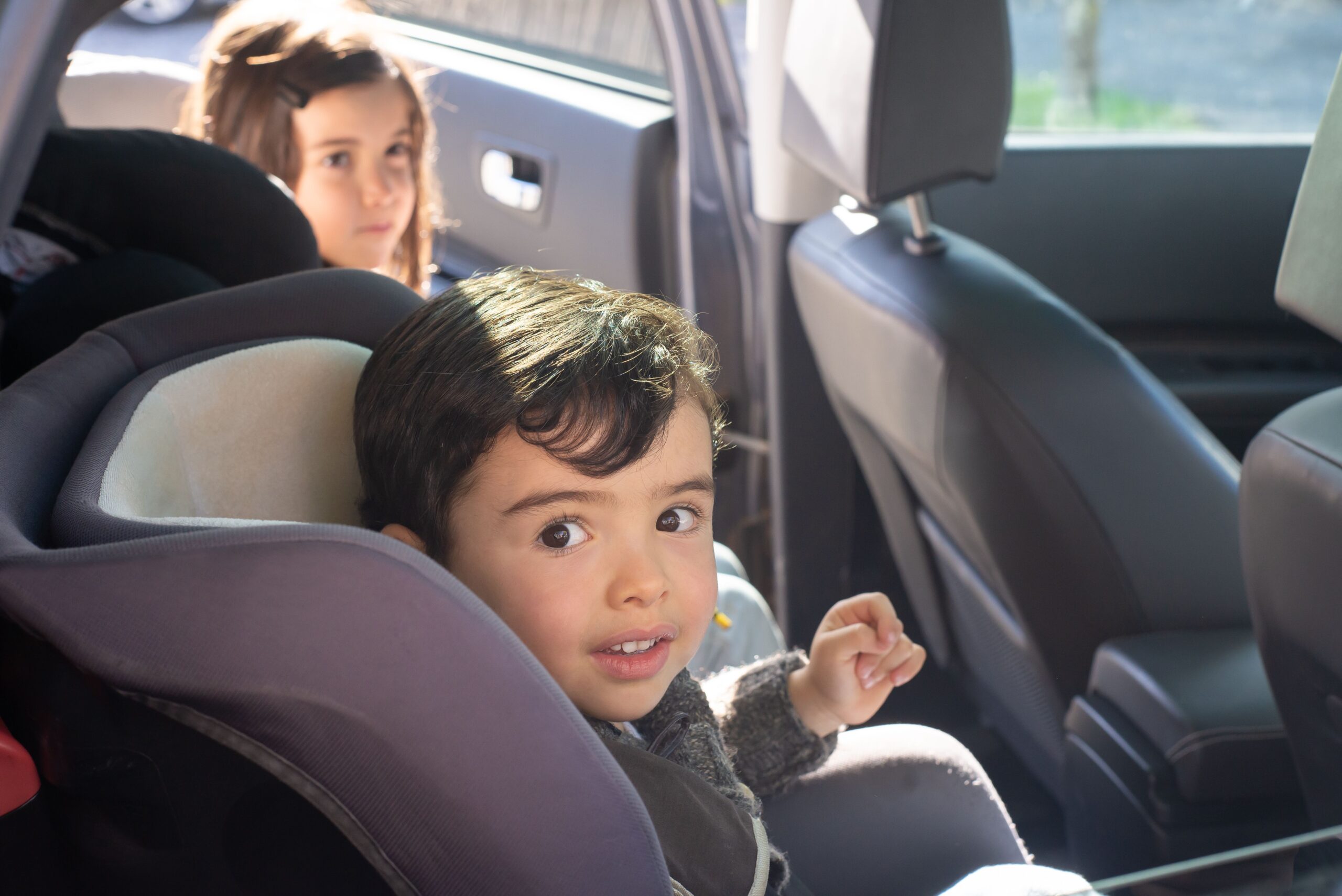
The organization’s own president addressed the gap directly rather than burying it in a spreadsheet footnote. IIHS President David Harkey said it’s “disappointing that minivans continue to struggle to provide the best-available protection for passengers in the back,” a statement included in the institute’s official release. That’s a pointed line from an organization that doesn’t typically editorialize about which vehicle types are falling short, and it lands hardest for a category whose entire sales pitch revolves around family transport.
TSP+ Also Now Demands Standard Tech, Not an Options-List Add-On
Beyond the back-seat crash test, the top-tier Top Safety Pick+ award now requires a good rating in pedestrian crash prevention along with an acceptable or good score in an updated vehicle-to-vehicle front crash prevention evaluation, and critically, that crash-avoidance hardware has to come standard rather than buried in an optional trim package, per the IIHS announcement. That standardization requirement is exactly the kind of thing that trips up a vehicle segment where automakers have historically reserved the best safety tech for top-of-the-line trims.
So What Actually Won, and Where Does That Leave Minivan Shoppers
Family-oriented buyers aren’t entirely without options among the 63 total winners — plenty of three-row midsize SUVs made the cut, a category the IIHS lists as having 20 winners this year, more than any other class. That includes the Ford Explorer and Honda Passport, both of which can seat six or seven and now carry the same top-tier safety badge no minivan managed to earn. If hauling a family and a stroller and two car seats is the job, a well-rated three-row SUV is currently doing something no minivan on the market can claim this year.
- 63 total award winners for 2026: 45 Top Safety Pick+, 18 Top Safety Pick
- 0 minivans earned either award tier
- 20 midsize SUVs won, the largest winning category, including three-row family options
- New back-seat “good” rating requirement applies to both award tiers, not just the top one
- TSP+ now requires standard crash-avoidance tech, not an optional upgrade
Why the Back Seat Test Is Such a Big Deal for Vans Specifically
The irony is that no vehicle category puts more actual bodies in the back seat than a minivan does. A three-row SUV might carry a couple of kids in row two and an occasional passenger in row three, but a minivan is engineered around the assumption that the second and third rows are in constant, daily use, often with multiple car seats installed side by side. That’s exactly why a tougher rear-seat moderate overlap test lands so hard on this segment. The structural and belt-related protections that just got harder to pass are protections a minivan owner is statistically far more likely to actually need in a real crash than an owner of almost any other body style on the road.
The Honest Takeaway for Anyone Shopping With Kids
A minivan not winning an award doesn’t automatically mean it’s unsafe by any reasonable real-world standard — these are still vehicles that pass federal crash standards and, in most cases, have historically scored well under the old criteria. What it means is that the bar just moved specifically around rear-seat protection, and the segment most associated with carrying children hasn’t cleared it yet under the new rules. If you’re shopping right now and a minivan’s cavernous cargo space and sliding doors are non-negotiable, ask your dealer directly how each specific model scored on the updated rear-seat evaluation rather than assuming last year’s rating still applies, since the test itself changed underneath every vehicle on sale. That’s a gap worth watching closely as automakers respond, because the next redesign cycle for these vans is exactly where you’d expect this to get fixed.