
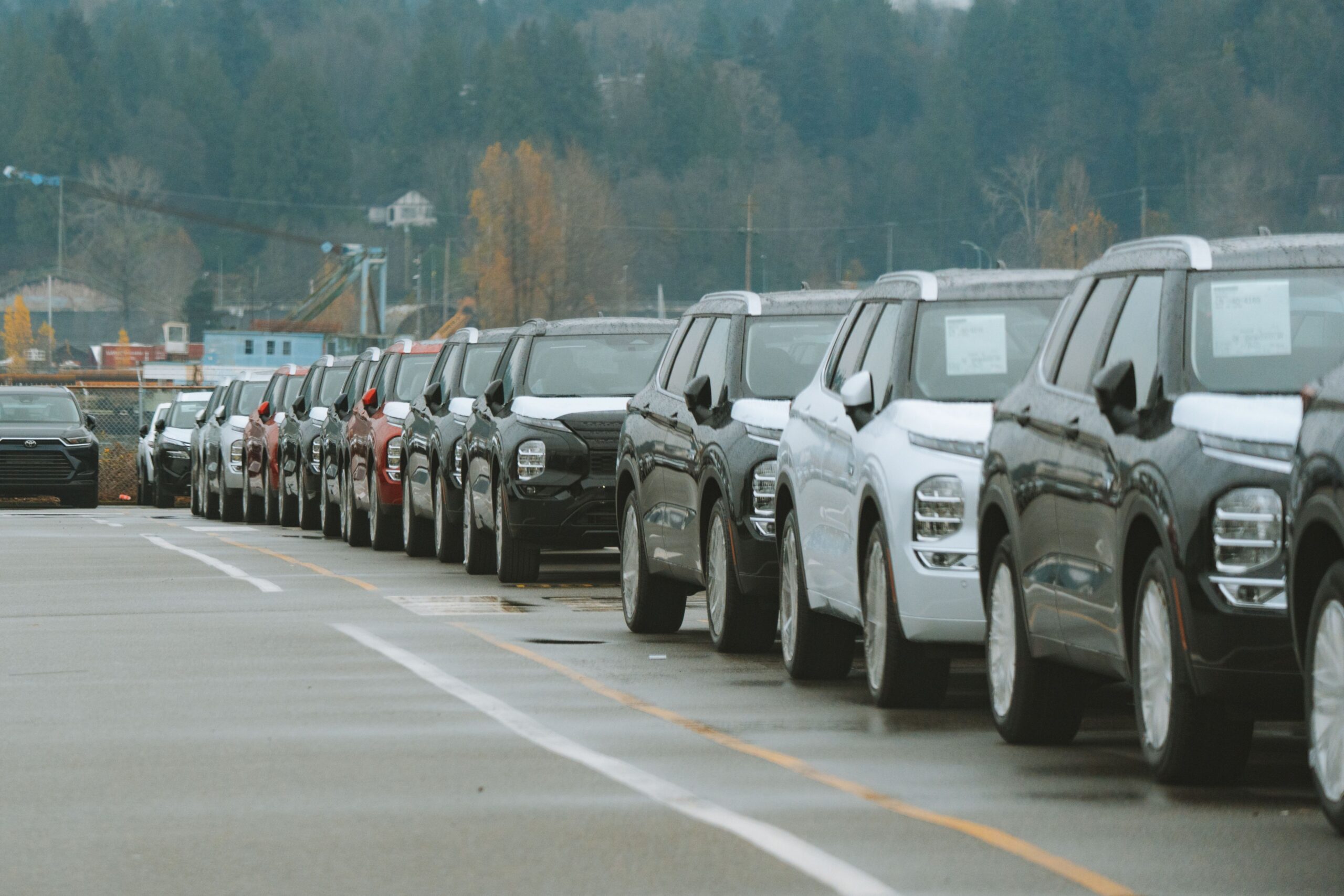

A Record 63 Vehicles Just Cleared a Harder Bar
Sixty-three vehicles earned a 2026 Top Safety Pick or Top Safety Pick+ award, up from 48 the year before, and that jump happened during the same cycle the testing organization made its criteria noticeably tougher rather than easier. The Insurance Institute for Highway Safety confirmed the count in its own 2026 awards release, and the full breakdown is 45 vehicles at the top Top Safety Pick+ tier and 18 at the standard Top Safety Pick level. A bigger winning class despite stricter rules usually means the industry actually improved, not that the test got softer, and the details here back that up.
What Changed to Make the Bar Higher
Two rule changes drove this year’s results, and both target real-world injury risk rather than checkbox engineering. Every award winner, at either tier, now needs a “good” rating in the moderate overlap front test specifically for rear-seat occupant protection, a jump up from the “acceptable” threshold that used to satisfy the base Top Safety Pick tier, according to the IIHS release. On top of that, Top Safety Pick+ candidates must post a good rating in pedestrian crash prevention and an acceptable-or-better score in an updated front crash-avoidance evaluation, and that hardware now has to be standard equipment rather than an options-list add-on.
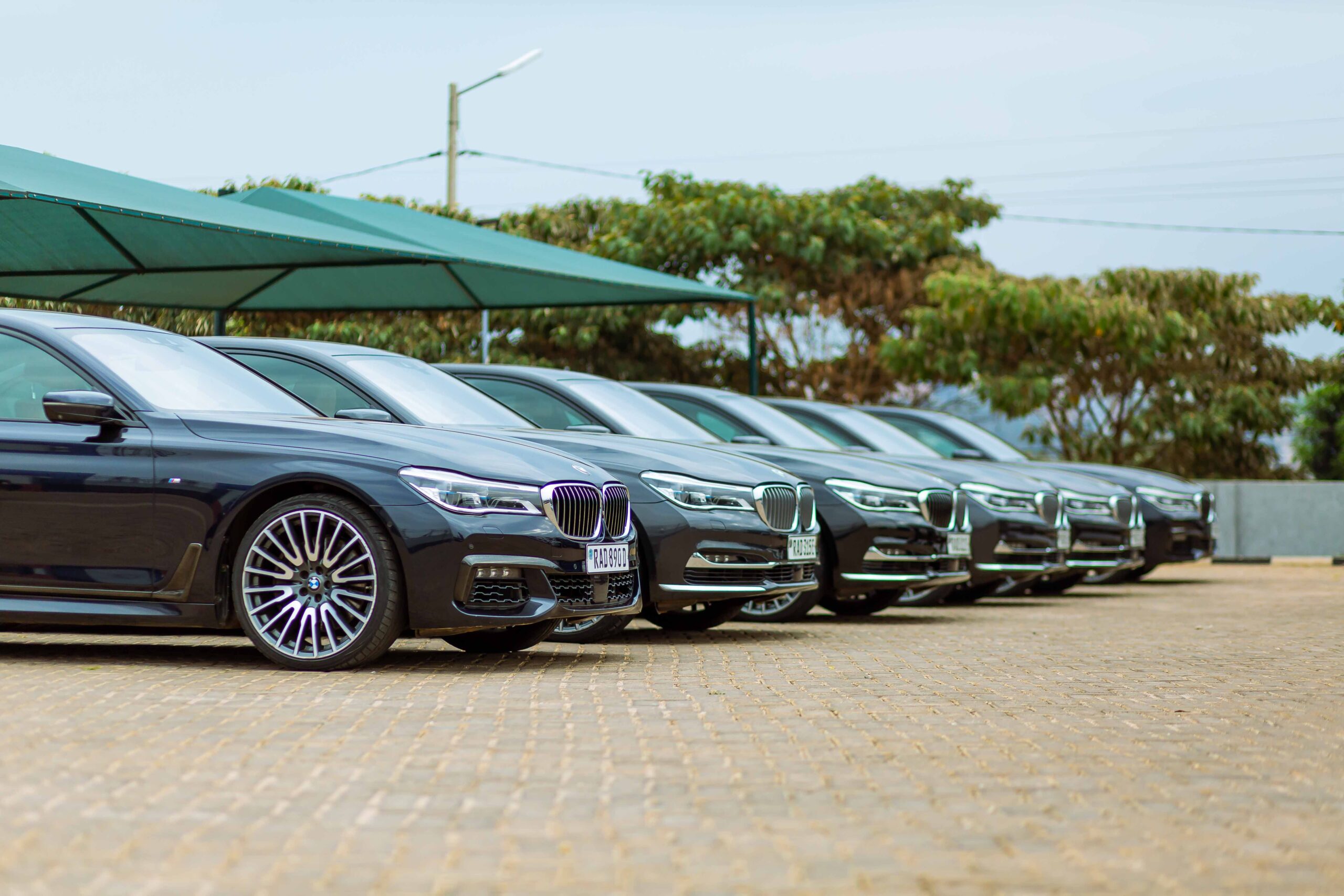
Sedans Still Punch Above Their Weight
Small and midsize cars filled out a healthy chunk of the list despite the segment shrinking industry-wide, with winners including the Honda Civic hatchback, Hyundai Elantra sedan, Kia K4, Mazda 3 in both hatchback and sedan form, Nissan Sentra, Subaru Crosstrek Hybrid, and Toyota Prius among the small-car winners, per the IIHS ratings page. Midsize sedans added the Honda Accord, Hyundai Sonata, and Toyota Camry to the tally. Pickup trucks had the toughest time of any category — only two large pickups qualified at all, the Tesla Cybertruck crew cab and the Toyota Tundra crew cab, which tells you plenty about how far that segment still has to go on rear-seat protection.
The Money Angle: You Don’t Need a Luxury Badge
Over a dozen Top Safety Pick+ winners start under $30,000, led by the Kia K4 at $22,290, according to figures reported alongside the IIHS 2026 awards coverage. The Hyundai Kona joins that affordable tier in the small SUV class starting around $25,500. That matters because the top-tier award now demands standard crash-avoidance tech and a genuinely tough rear-seat score, not just a good structure up front, which means a sub-$25K sedan is currently proving it can outperform plenty of vehicles costing two or three times as much.
- 63 total winners in 2026, up from 48 in 2025
- 45 Top Safety Pick+ and 18 Top Safety Pick
- 20 midsize SUVs won: the single largest category
- Only 2 large pickups qualified: Cybertruck and Tundra crew cab
- Kia K4 at $22,290 is the cheapest Top Safety Pick+ winner
- Zero minivans made either list this year
SUVs Own the Middle of the List
Midsize SUVs dominated by sheer volume, with 20 total winners spanning the Ford Explorer, Honda Passport, and a long run of Hyundai, Kia, Mazda, Nissan, and Subaru models, based on the full IIHS winners list. Small SUVs weren’t far behind with 11 winners including the BMW X1, Genesis GV60, and Honda HR-V, while luxury-focused shoppers had 16 midsize luxury SUV winners to choose from across Audi, BMW, Genesis, Infiniti, Lexus, Lincoln, Mercedes-Benz, and Volvo. Large SUVs rounded things out with five winners, including the Nissan Armada, Rivian R1S, and Volvo EX90, proof that the tougher rear-seat standard wasn’t just something compact, budget-minded models happened to clear.
One Notable Absence Says a Lot About What Got Harder
For all the winners across nearly every body style, not a single minivan made the list this year, a gap the IIHS’s own leadership called out directly rather than glossing over. That’s a meaningful data point sitting right next to a record-setting 63-vehicle field, because it shows the new rear-seat criteria weren’t just a minor tweak that everyone sailed through. An entire segment built specifically around carrying passengers in the back rows came up short at the exact moment the test got stricter about protecting exactly those seats, which underlines how real this year’s tougher standard actually was.