
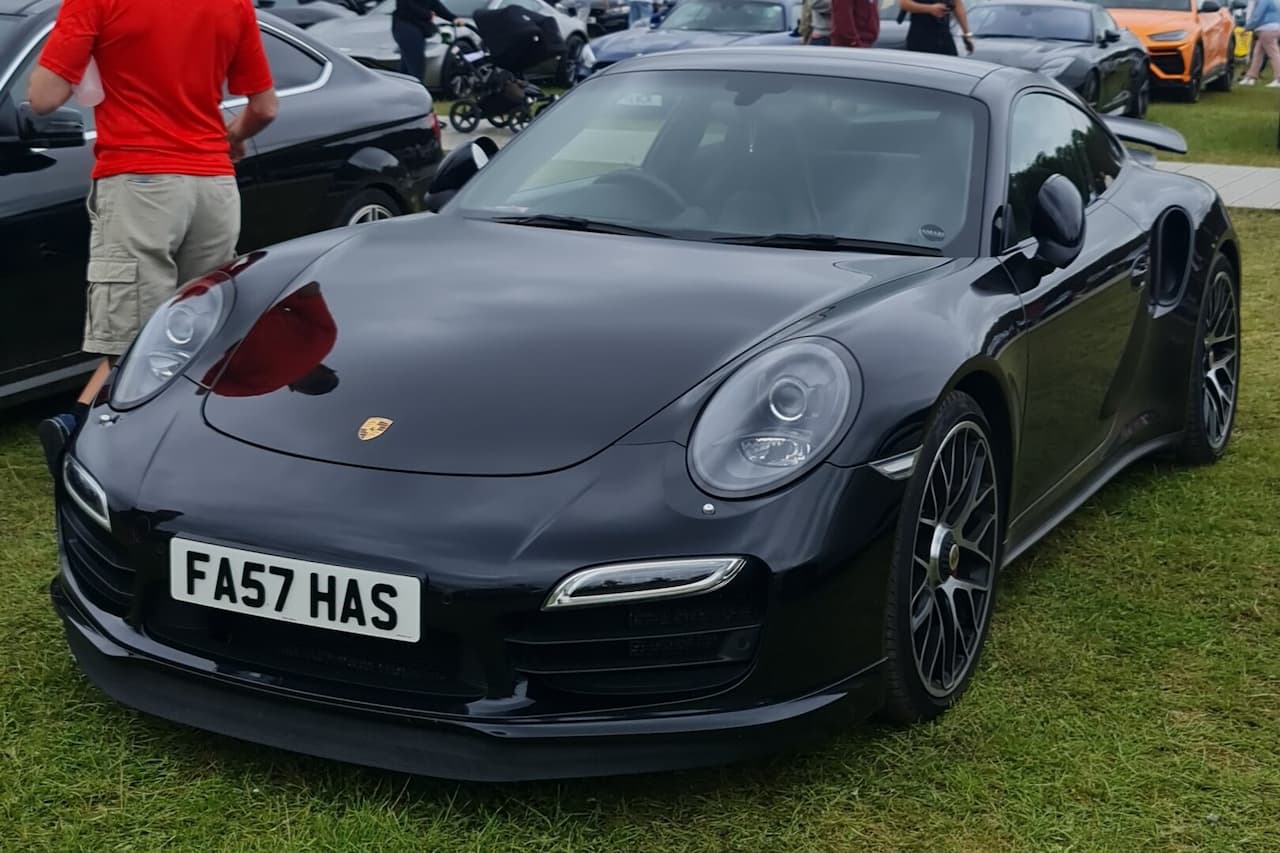

110 Problems Per 100 Cars, and Not One Other Model Beat It
The Porsche 911 posted a score of 110 problems per 100 vehicles in the 2026 U.S. Initial Quality Study, the single best result of any model sold in America this year. That’s according to J.D. Power’s own 2026 study results, which surveyed 78,514 owners of new model-year vehicles after roughly 90 days behind the wheel. Lower scores mean fewer problems, so a 110 against an industry average of 175 isn’t a marginal win, it’s a car built to a standard the rest of the industry isn’t close to matching. For a nameplate that’s been in continuous production since 1963 and still gets driven the way it was designed to be driven, that’s a genuinely remarkable result.
The Industry Just Had Its Best Quality Year Since 1997
Strip out any single model and the bigger story here is an industry-wide leap that hasn’t happened in decades. Average industry quality improved to 175 problems per 100 vehicles in 2026, down from 192 the year before, which J.D. Power’s own release describes as the best year-over-year improvement in reported problems since 1997 and the fourth-best result in the study’s 40-year history. That’s not a rounding error. Automakers collectively found nearly nine percent worth of defects and fixed them in a single model year, across an industry that includes everything from budget compacts to seven-figure hypercars.
Porsche Wasn’t Just Winning on One Model
Porsche didn’t just build the best individual car in the study, the brand as a whole topped every other premium automaker with a score of 138 problems per 100 vehicles, according to the J.D. Power release. That’s a brand-wide average pulled down by a lineup that spans daily-driver SUVs like the Cayenne and Macan alongside a genuine sports car built for track days, and it still landed comfortably ahead of every other luxury nameplate in the survey. Consistency across a mixed lineup like that is a harder trick to pull off than nailing quality on a single low-volume halo car.
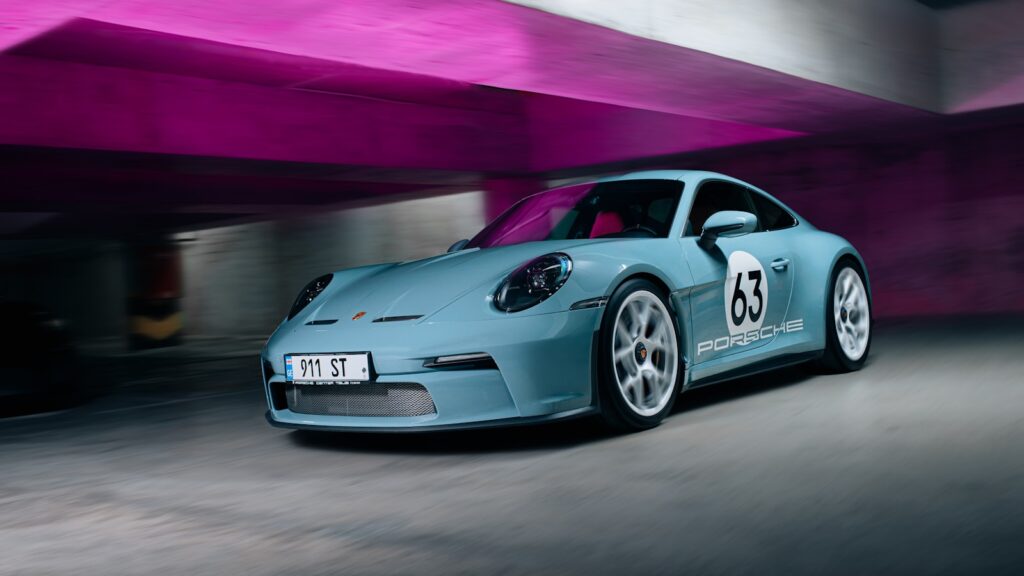
Ford Took the Mass-Market Crown, Which Is Its Own Kind of Story
On the volume side of the market, Ford posted the best score among mass-market brands at 152 problems per 100 vehicles, per the same J.D. Power findings. Mass-market brands averaged 177 problems per 100 vehicles industry-wide against 169 for premium brands, meaning Ford didn’t just win its own segment, it beat the premium-brand average outright. Building a compliance-heavy, high-volume lineup that includes everything from the F-150 to the Bronco to a growing EV portfolio, and still coming in ahead of Mercedes and BMW-tier competitors on defect counts, says something about where Ford’s manufacturing discipline has landed this cycle.
Where the Industry Still Trips Up
The one category dragging on an otherwise strong year is infotainment, where connectivity issues tied to Android Auto and Apple CarPlay kept driving problem counts higher even as nine of ten other measured categories improved, according to J.D. Power’s breakdown. It’s the same pattern that’s shown up for years now: mechanical and build quality keep getting better while the software layer stapled on top of it keeps generating complaints. A 911 owner probably isn’t losing sleep over a dropped Bluetooth connection, but for the industry as a whole, it’s the one place all that hard-won engineering progress keeps getting undercut.
- Porsche 911: 110 problems per 100 vehicles, best of any model tested
- Industry average: 175 PP100, down from 192 the year before
- Best improvement since 1997, fourth-best in the study’s 40-year history
- Porsche: best premium brand at 138 PP100
- Ford: best mass-market brand at 152 PP100, beating the premium-brand average
- Infotainment remained the industry’s weak spot despite broad gains elsewhere
What This Actually Means If You’re Shopping
Initial quality studies measure problems reported in the first 90 days of ownership, which means they’re catching build defects, fit-and-finish issues, and out-of-the-box tech glitches rather than long-term durability, but that early window still matters enormously for anyone about to sign a loan. A car scoring near the industry’s 175 PP100 average is statistically going to generate more trips back to the dealer in its first few months than one scoring near Porsche’s 138, and that gap compounds over a typical five- or six-year ownership period. It’s not the only number worth checking before a purchase, but for a segment of the market that just posted its best collective showing in almost 30 years, it’s a genuinely useful one to have on hand.
None of this happened by accident, and it’s not just one brand having a lucky year either. When the study’s own topline number posts its best improvement in almost three decades, and the model sitting at the very top of the whole list is a car that’s spent six decades getting incrementally refined rather than reinvented, it’s a pretty strong argument that patience and obsessive iteration still beat chasing the next big redesign.